avatarPaddy Murphy

Free AI web copilot to create summaries, insights and extended knowledge, download it at here

2573

Abstract

hing she ever did was good enough. Sarah grew up believing she was flawed and broken, that she was unworthy of love and success. The constant barrage of negativity during her formative years left her with crippling self-esteem issues and an intense fear of rejection.</p><p id="354e"><b>Extreme Fear of Vulnerability and Mistakes</b>: Due to the constant criticism and judgment they face from their parents, children of narcissists often develop an intense fear of vulnerability and making mistakes. This can lead to a reluctance to express their true selves, take risks, or pursue their passions, hindering their personal growth and development.</p><p id="a2e7">Gary, 22, struggles to assert himself in relationships and at work. His father was a successful CEO at a financial company. He was a domineering figure who desired to control all aspects of household life, Gary had a curfew even at 20 years of age until his father died in an accident. Gary always felt put down and this made him feel incompetent. As a result, Gary developed a strong fear of making mistakes, which has paralyzed him from taking chances and pursuing his dreams of becoming a veterinarian.</p><p id="f8b4"><b>Problematic Relationships and Intimacy Issues</b>: The emotional neglect and manipulation experienced by children of narcissists can lead to difficulties in forming healthy and fulfilling relationships. They may struggle to trust others, express their needs effectively, or maintain healthy boundaries, often repeating patterns from their childhood.</p><p id="6786">Klara, 47, has experienced a series of failed relationships. Her parents, always putting their needs before hers, made her feel like her emotions were unimportant. As a result, she struggles to form deep connections with others, she sees herself as having been a people pleaser, always putting her partners first and often feeling like she was not worthy of their love.</p><figure id="dc0b"><img src="https://cdn-images-1.readmedium.com/v2/resize:fit:800/1*BQhYxpZM8ELZPlFjIIdxKQ.png"><figcaption>from: <a href="http://www.englishcounsellingonline.com/wp-content/uploads/2023/12/father_and_teenage_daughter_arguing1.png">englishcounsellingonline.com</a>, made with MidJourney</figcaption></figure><h1 id="8dcb">The physical and psychological toll</h1><p id="b0f1">Studies have shown that children raised by narcissistic parents are more likely to experience anxiety, depression, eating disorders, and substance abuse. They may also exhibit physical health problems such as headaches, stomachaches, and sleep disturbance

Options

s.</p><p id="a9ed">The constant stress and emotional abuse associated with narcissistic parenting can also weaken our immune systems, making us more susceptible to illness. We know now too that suppressing emotions and the inability to develop healthy coping mechanisms can lead to chronic stress.</p><figure id="c3f5"><img src="https://cdn-images-1.readmedium.com/v2/resize:fit:800/1*mNLHO8bsc58ehe9QLiq1Sg.png"><figcaption>from: <a href="http://www.englishcounsellingonline.com/wp-content/uploads/2023/12/therapy_session.png">englishcounsellingonline.com</a>, made with MidJourney</figcaption></figure><h1 id="4a93">Therapy: finding healing and support</h1><p id="2903">Therapy can play a crucial role in helping individuals who grew up with narcissistic parents heal from the emotional trauma they experienced growing up.</p><h1 id="3ca7">Therapeutic approaches</h1><p id="977c">Cognitive Behavioral Therapy (CBT) is particularly effective in addressing the negative thought patterns and beliefs that children of narcissists often develop.</p><p id="850c">CBT helps people to identify and challenge distorted thoughts. The aim of the therapy is to replace these thoughts with more realistic and positive ones and develop effective coping strategies for managing stress and difficult emotions.</p><h1 id="d968">The importance of emotional support</h1><p id="0c00">In addition to individual therapy, group therapy can also be beneficial. Sharing childhood experiences and connecting with others who have faced similar challenges can provide a sense of validation, support, and understanding, helping them to come to realize they are not alone in their struggles.</p><p id="12c0">This newfound compassion for others and, especially, themselves is the gateway to healing from childhood trauma.</p><p id="450c"><i>Hi, I’m Paddy. Thanks for reading my article. I’m a counselor, coach, and meditation teacher. If you’d like to read my latest articles on Medium you can <a href="https://medium.com/m/signin?actionUrl=%2F_%2Fapi%2Fsubscriptions%2Fnewsletters%2F57240b62884e&amp;operation=register&amp;redirect=https%3A%2F%2Fmedium.com%2F%40paddymurf&amp;newsletterV3=320e8d8c10bc&amp;newsletterV3Id=57240b62884e&amp;user=Paddy+Murphy&amp;userId=320e8d8c10bc">subscribe here</a>. If you’d like to contact me regarding a counseling session or about writing, you can <a href="https://www.englishcounsellingonline.com/?page_id=48%28opens+in+a+new+tab">contact me here</a>. My different social media channels are <a href="https://linktr.ee/paddymurf">here</a>.</i></p></article></body>

Growing Up with a Narcissistic Parent: The Effects on Children’s Well-being

What causes childhood trauma and how therapy can help

from: englishcounsellingonline.com, made with MidJourney

It’s a given that childhood is a period of immense growth and development, we know that it shapes the individuals we become.

However, for those raised by narcissistic parents, this journey is often prolonged and marred by emotional turmoil, self-doubt, and a constant struggle for validation.

Narcissistic parents have an inflated sense of self-importance and a deep need for admiration. Thanks to carrying their unrecognized trauma, they fail to recognize and prioritize their children’s emotional needs, leaving their kids feeling unheard, unseen, and, worst of all, unloved.
from: englishcounsellingonline.com, made with MidJourney

The Impact of Narcissistic Parenting on Children

The effects of narcissistic parenting can be wide-ranging and deeply damaging to children’s well-being.

These parents project their insecurities and shortcomings onto their children, making them feel inadequate and responsible for their parents’ emotional well-being.

This can lead to a range of harmful consequences. In the following, I will use examples seen in my clients, ones that I’ve been permitted to share, although I have changed their names. These consequences include:

Crippling Fear, Shame, and Self-Loathing: Children of narcissistic parents often grow up feeling ashamed of themselves, believing they are not worthy of love or attention. This can lead to a chronic fear of rejection, abandonment, or ostracization, further damaging their self-esteem and their sense of self-worth.

Sara, 42, recalls her childhood with profound sadness. Her mother struggled with alcohol addiction and was a constant source of criticism and belittlement. Sara was made to feel like nothing she ever did was good enough. Sarah grew up believing she was flawed and broken, that she was unworthy of love and success. The constant barrage of negativity during her formative years left her with crippling self-esteem issues and an intense fear of rejection.

Extreme Fear of Vulnerability and Mistakes: Due to the constant criticism and judgment they face from their parents, children of narcissists often develop an intense fear of vulnerability and making mistakes. This can lead to a reluctance to express their true selves, take risks, or pursue their passions, hindering their personal growth and development.

Gary, 22, struggles to assert himself in relationships and at work. His father was a successful CEO at a financial company. He was a domineering figure who desired to control all aspects of household life, Gary had a curfew even at 20 years of age until his father died in an accident. Gary always felt put down and this made him feel incompetent. As a result, Gary developed a strong fear of making mistakes, which has paralyzed him from taking chances and pursuing his dreams of becoming a veterinarian.

Problematic Relationships and Intimacy Issues: The emotional neglect and manipulation experienced by children of narcissists can lead to difficulties in forming healthy and fulfilling relationships. They may struggle to trust others, express their needs effectively, or maintain healthy boundaries, often repeating patterns from their childhood.

Klara, 47, has experienced a series of failed relationships. Her parents, always putting their needs before hers, made her feel like her emotions were unimportant. As a result, she struggles to form deep connections with others, she sees herself as having been a people pleaser, always putting her partners first and often feeling like she was not worthy of their love.

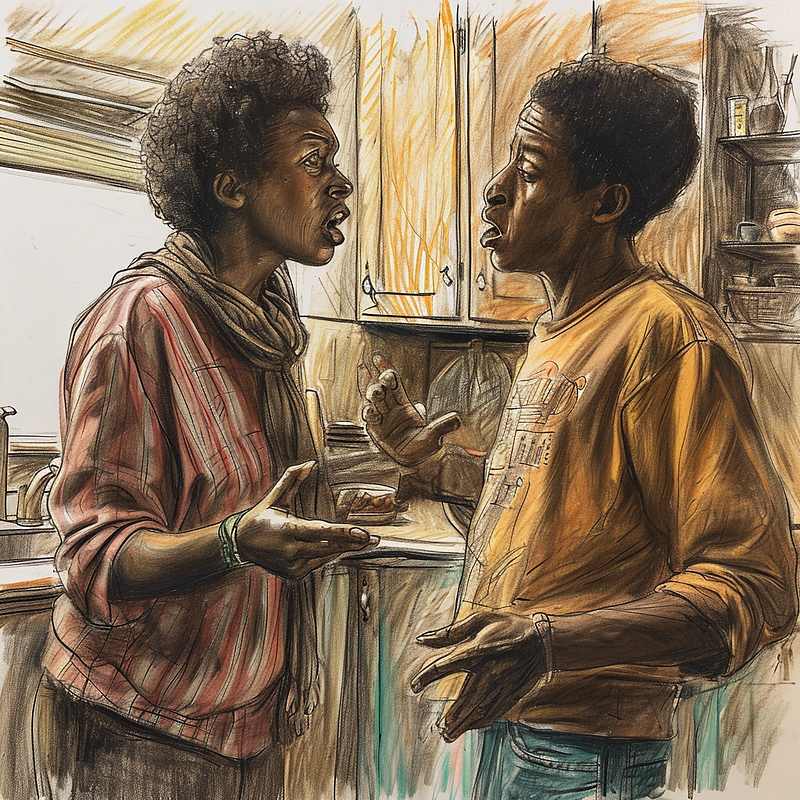
from: englishcounsellingonline.com, made with MidJourney

The physical and psychological toll

Studies have shown that children raised by narcissistic parents are more likely to experience anxiety, depression, eating disorders, and substance abuse. They may also exhibit physical health problems such as headaches, stomachaches, and sleep disturbances.

The constant stress and emotional abuse associated with narcissistic parenting can also weaken our immune systems, making us more susceptible to illness. We know now too that suppressing emotions and the inability to develop healthy coping mechanisms can lead to chronic stress.

from: englishcounsellingonline.com, made with MidJourney

Therapy: finding healing and support

Therapy can play a crucial role in helping individuals who grew up with narcissistic parents heal from the emotional trauma they experienced growing up.

Therapeutic approaches

Cognitive Behavioral Therapy (CBT) is particularly effective in addressing the negative thought patterns and beliefs that children of narcissists often develop.

CBT helps people to identify and challenge distorted thoughts. The aim of the therapy is to replace these thoughts with more realistic and positive ones and develop effective coping strategies for managing stress and difficult emotions.

The importance of emotional support

In addition to individual therapy, group therapy can also be beneficial. Sharing childhood experiences and connecting with others who have faced similar challenges can provide a sense of validation, support, and understanding, helping them to come to realize they are not alone in their struggles.

This newfound compassion for others and, especially, themselves is the gateway to healing from childhood trauma.

Hi, I’m Paddy. Thanks for reading my article. I’m a counselor, coach, and meditation teacher. If you’d like to read my latest articles on Medium you can subscribe here. If you’d like to contact me regarding a counseling session or about writing, you can contact me here. My different social media channels are here.

Psychology
Mental Health
Health
Self
Self Improvement
Recommended from ReadMedium