
Growing Creativity
An Essay About Orchids and Creative Exhaustion
I don’t have a green thumb, but I love the outdoors and the beauty of nature. That said, one of the hardest things about being trapped in our small apartment for days on end over the course of quarantine was the lack of nature to interact with, and a lack of vibrant natural color.
My husband and I began to crave the mood-lifting presence of plant life.
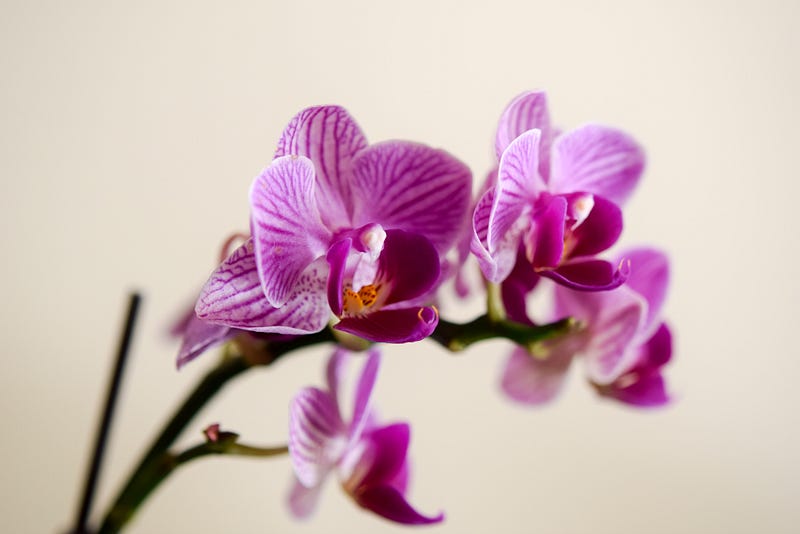
To satiate our greenery needs, we bought a beautiful orchid plant that proudly heralded purple blossoms on long stems like flags to spruce up our living space, and as first-time plant parents, we learned slowly to care for it.
We created a watering schedule based on research and placed it in different areas of our small apartment to ensure it received the best light and temperature for its needs. We carefully trimmed dying leaves and stems to give it the best chance at life.
Basically, we treated our orchid very kindly, and it thrived. Its glorious purple blooms brightened the living room every day for weeks.
Only Gold Can Stay
However, one day, the blooms began to droop in spite of our careful care. Then, they began to wither. Slowly at first, then faster, until the day came when they fell off altogether and dropped into the soil beneath the stems. At this point, we looked at one other.
“We’ve killed it.”
We poked at the still deeply green leaves below the stems and above the shriveled petals and wondered how the leaves could look so healthy even as the gorgeous flowers shrank and plunged to their doom.
So we let it alone, unsure how to fix it and uncertain how to proceed.
A Creative Malaise
I’d felt a plunge into a doom of my own during this time — a dimming of my creativity that hurt me to my bones. I couldn’t seem to summon up the motivation to write anymore. Not creatively, anyway. I wrote all the time for my job. But when I sat down to write anything of my own–the pursuit that used to give me life–it just felt… gray, for lack of a better word. Empty, maybe.
Nothing seemed to work, and nothing seemed right. When I reached down into a well that had always overflowed, the bucket came up dry.
No surprise, I thought. It’s been two years of pandemic, quarantine, and worry. The creative well sprang a leak during that time.
I can’t keep beating my head against the keyboard, though. I’ve got to find a way to refill the cup.
But how?
I tried writing exercises. Reading extensively. Watching TV shows and movies that inspired me. Nothing seemed to work.

Going Dormant
Our little orchid plant went on losing flowers for a couple of weeks until nothing remained except vacant but healthy-looking stems and vibrantly green, broad leaves.
How odd, my husband and I said, looking at the plant from all angles. How strangely healthy it seems for a dying plant. And we planned to throw it out.
It must be done for.
We’d get rid of it later when the green leaves had lost their luster. We were both far too busy to deal with it anyway and unwilling to admit defeat, though we were unsure how to remedy the situation.
We kept watering it according to schedule, and to our surprise, the decay didn’t spread. The green leaves never lost their luster. With waxy life about it, we couldn’t discard the plant we’d written off so quickly. Instead, we waited.
Eventually, when I finally had a bit of time, I decided to research methods for bringing an orchid plant back to life. A path toward renewing its blooms. This was when I discovered that our lively little plant hadn’t begun to fade from life. Instead, it had gone dormant just as my creative nature had.
When It’s Time to Rest and Renew
Orchid plants naturally lose their eye-catching blooms every six months or so. But it doesn’t mean they have died. Though, sadly, thinking that the plant is dead is a mistake many new orchid owners make, and it means they throw out the plant before it’s gone through its natural cycle. One day, a healthy, happy orchid plant will bloom fully again.
Since the time when we discussed giving up on it, our attractive plant has added new leaves, grown immensely, and even needed transfer to a larger pot. It is thriving, waking slowly from its restorative sleep, and it should bloom again very shortly.
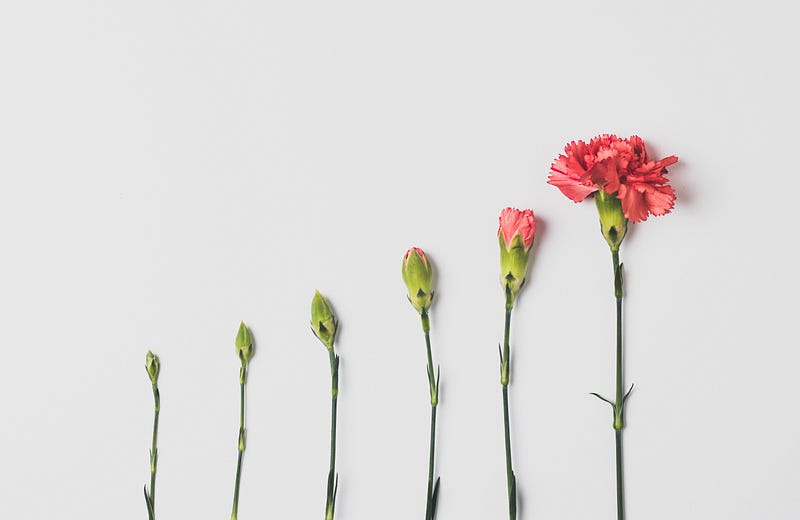
As I began to write fiction again tentatively over the last few months and felt the creative flow return, I realized that the exciting feeling of making something new–something hopefully beautiful or fantastical–works just the same.
You can’t force it. You can’t nudge it into being, except with calm patience. And you can’t bring it back to life. Dormant creativity, like an orchid out of bloom, isn’t dead. It’s merely out of season. It’s a part of the creator’s cycle. A turning of the wheel required for renewal.
Inspiration will burst forth again with tender care in time. And when it does, it will be just as lustrous and eager as before.
Maybe more so.
Refilling the creative well — like growing plants — simply requires a lot of patience.
Also, please join Medium today to support writers using the link I’ve supplied below. As a member, you’ll enjoy unlimited access to stories and articles. When you read articles, writers will receive payment. If you use the link I’ve provided, I’ll also receive a portion of your monthly membership fees, so you’ll be supporting me directly.


