
Groundbreaking Solutions Employed by Scientists to Combat Global Warming
Innovative Methods Used by Scientists to Curb Global Warming

Imagine if we had the power to flip a ‘cooling switch’ for our planet. Believe it or not, it’s no longer just an idea confined to science fiction. A corps of brave scientists are daring to tread where few have ventured before, exploring hitherto unthinkable solutions to bring our planet’s fever down. In facing the formidable adversary of climate change, these trailblazers are thinking both inside and outside the box, often pitching radical and controversial ideas that might just work.
“We are desperate, yes but not lost. We are seeking innovative ideas to combat climate change, solutions that are grand in design and execution. Some may brand us radical, but we are simply dedicated and realistic.” — A Climate Change Scientist

- Geothermal engineering: Manipulating the earth’s natural heat balance through technologies that can cool surface temperatures.
- Cloud Albedo Enhancement: Increasing the cloud cover’s reflectivity to radiate more sunlight back into space.
- Ocean Fertilization: Boosting populations of phytoplankton that consume carbon dioxide, aiding carbon sequestration.
These are just a mere glimpse into the breadth of solutions under scrutiny. So, step into this journey of exploration and discovery, as we unearth the daring strategies scientists have on the drawing board to cool our overheated planet. We assure you, it’s a tale as chilling as it is captivating.
Imagine a world where clouds are artificially brightened to reflect more sunlight back into space, or where millions of tons of CO2 are captured directly from the atmosphere and stored underground. These might sound like scenes from a sci-fi novel, but they are, in fact, among the radical proposals that scientists are exploring to mitigate the extreme impacts of global warming.
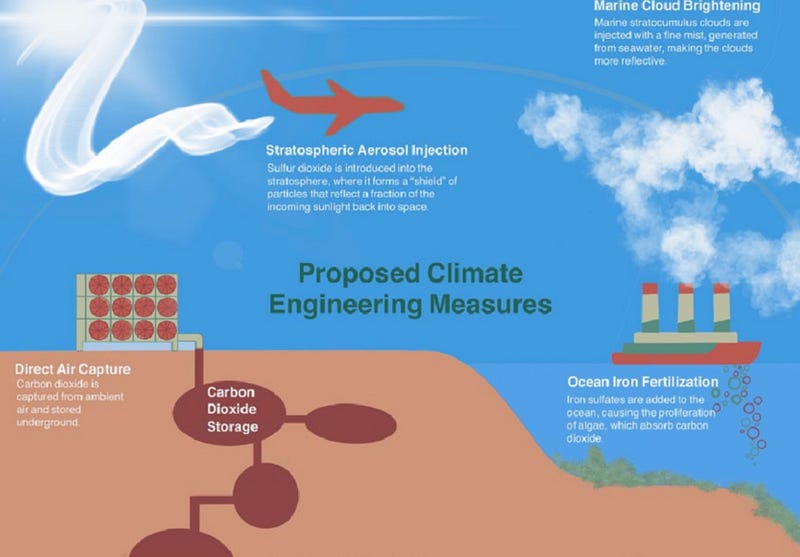
If your mind climbs into realms of incredulity, just stay with us a bit. Let’s start our trek into these game-changing ideas with an initiative called Marine Cloud Brightening project. Theoretically, by increasing the concentration of water droplets, clouds would become whiter and reflect more solar radiation back into space, thus creating a cooling effect. Pilot trials are already making waves within scientific circles, albeit surrounded by necessary caution and rigorous testing to consider all possible side effects.
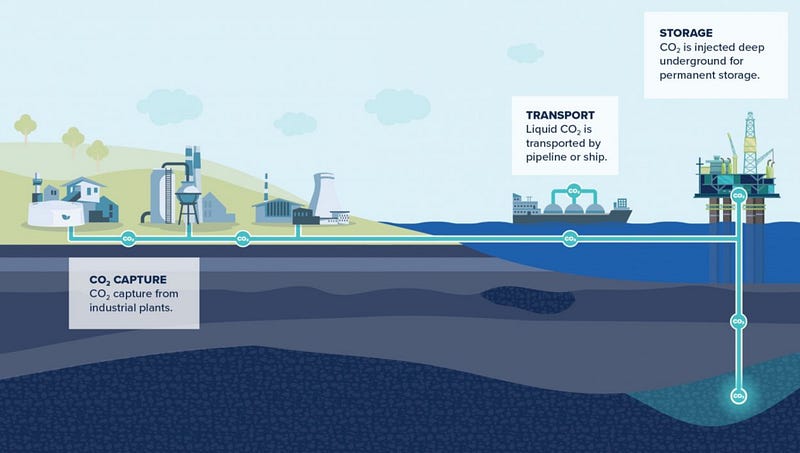
On another front, Carbon Capture and Storage (CCS) is turning heads. This revolutionary concept involves trapping carbon dioxide at its emission source, transporting it and then depositing it, usually underground, so it can’t contribute to global warming. Some argue it’s the ‘sticking plaster’ solution we need as we transition to greener energies. However, this method, too, is not without its hurdles, such as high developmental costs and potential leakage risks.
These disruptive ideas may stir controversy and skepticism. They surely pose significant challenges and risks. Yet, considering the seriousness of the climate crisis, aren’t they worth exploring? As the clock ticks on, scientists are becoming more daring, venturing into previously unthinkable territories. Like pioneers in an unknown land, they are blazing new trails, laying the groundwork for a cooler world.
Let’s delve into some of the audacious solutions that these daring pioneers are exploring. Have you ever thought of the potential of a volcano to cool our planet? The threat of an eruption usually incites fear, but scientists, in a twist of fate, are now investigating how they could use this powerful force to our advantage.
Consider a specific volcanic eruption that occurred in 1991. Mount Pinatubo in the Philippines spouted a gigantic cloud of sulfur dioxide, which, renowned for reflecting sunlight, lowered the Earth’s temperature by almost one degree over the course of a year or two. This drastic shift in atmospheric behavior has sparked an idea. Could we simulate a volcanic eruption to achieve the same cooling effect? This approach, which falls under the wider strategy of Solar Radiation Management, is an extreme solution that scientists are earnestly exploring.
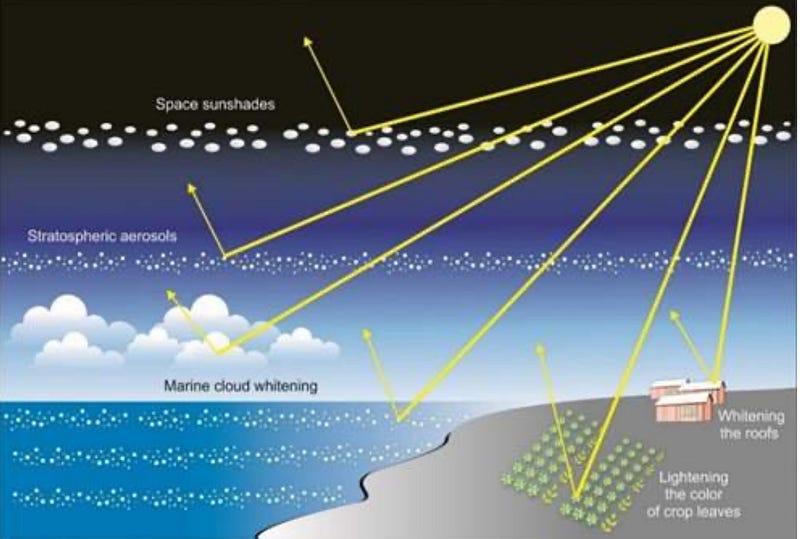
Of course, the path is fraught with uncertainty and possible side effects. The idea of tampering with our planet’s natural thermostat isn’t to be taken lightly. Stratospheric aerosol injection, the technical term for this approach, could potentially lead to intense drought or erratic weather. We also can’t forget the potential harm caused by releasing large amounts of sulfur dioxide into the atmosphere. Who knows what novel risks, known or otherwise, we might saddle future generations with?
Nevertheless, the stakes are high. As dire forecasts remind us of the impending climate crisis, these once-unthinkable solutions compel us to ponder — how far will we go to ensure the survival of our home? As you navigate your own role in this story, remember that these audacious scientists are working tirelessly on your behalf, pushing boundaries in the name of saving our planet. Their pioneering spirit empowers us all to think outside the box, to dare to confront the impossible and imagine a more sustainable future for all.
- According to the Intergovernmental Panel on Climate Change (IPCC), global warming could breach 1.5°C as early as 2030.
- One of the potentially revolutionary techniques includes solar geoengineering, a process that involves reflecting sunlight back into space to curb global warming.
- The most famous project in this area, Harvard’s Solar Geoengineering Research Program, aims to launch a high-altitude balloon into the stratosphere to scatter tiny, reflective particles.
- Other audacious attempts include increasing Earth’s cloud cover, stimulating the growth of oceanic plankton, and directly removing carbon dioxide from the atmosphere.
- Critics argue these solutions could have unforeseen consequences, including changes in rainfall patterns and potential harm to wildlife.
- The UN’s Environment Assembly recently debated the need for an international regulatory framework for such geoengineering solutions, reflecting the need for comprehensive governance and oversight.
In considering these forward-thinking solutions in our plight against global warming, there’s no doubt that we’re embarking on unprecedented territory. The field is ripe with innovative techniques like solar geoengineering, cloud albedo enhancement, oceanic plankton stimulation, and direct carbon capture. Yet, we must remain cautious. As we continue to explore these new horizons, the utmost importance must be given to monitoring the potential side-effects and safeguarding our ecosystems.
Furthermore, initiatives like Harvard’s Solar Geoengineering Research Program highlight the critical role of scientific research in combatting climate change. But it’s also clear that technological solutions alone cannot solve the problem. We need a worldwide commitment to reducing greenhouse gas emissions and adopting sustainable practices. As these geoengineering solutions push the boundaries of our collective imagination, they also emphasize our shared responsibility to protect the planet.
The recent UN Environment Assembly’s discussion about the need for an international regulatory framework also underscores the crucial requirement for proper governance and thorough oversight of these emerging strategies. As we navigate this complex landscape, it’s imperative to remember that climate change isn’t just a scientific issue, but a social one, too, affecting everyone across the globe. Ultimately, our success will hinge on our ability to work together, incorporating thoughtful and responsible approaches that balance innovation with insight, urgency with caution.
If you feel like this read hit home and it’s worth a coffee for this writer, :) You can buy me a coffee here. I’m forever grateful for your support. Cheers.


