Bare Shelves At The Grocery Store?
The Unintended Consequences Of Government Subsidy
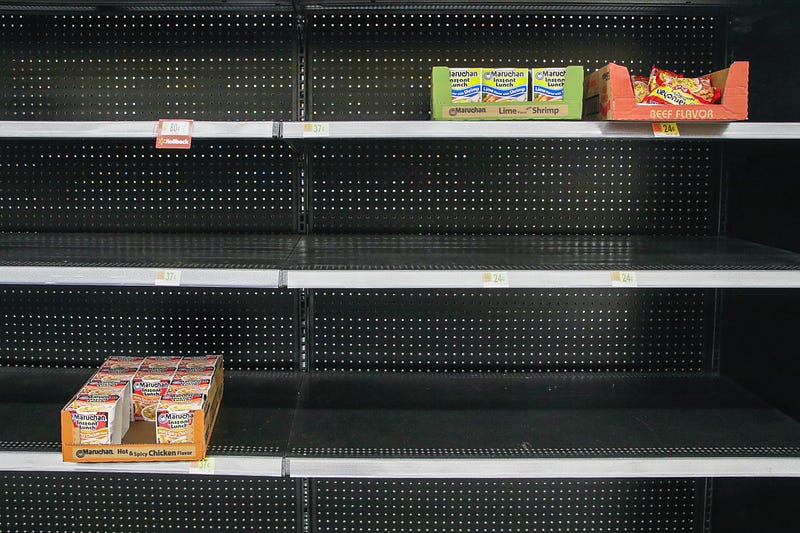
While going for your weekly grocery trip you may have noticed the shelves still seem kinda bare, that is if you aren’t still getting yours delivered. Hell, last week I went shopping with a good buddy and we searched for an hour for chicken wings, which are in shortage right now.
The produce section looks as sparse as the meat section AND my Dr. Pepper was sold out completely. Now I am not going to argue that the supply chain is under stress, because it is.
What The Mainstream Media Says:
Port Challenges
The mainstream media is filled with reports of major ports being closed internationally which affects all of us seeing as the United States does NOT grow it’s own food, in fact, domestic farmers are often given subsidy to NOT grow food and/or just dump it, which definitely impacts you, the shopper.
Labor Shortage
Now, does this economist feel like the labor shortage is as bad as is reported? Maybe. It would be arrogant of me to not recognize the “Now Hiring” signs that are all over the city and cities across the country.
The major issue is that people have found either new ways to work that are either more lucrative or less soul-crushing, or they have found ways to design a lifestyle that requires less work: think roommates, moving in with friends, cutting back, trading crypto.
Let’s be critical thinkers, dear reader, it’s not like we lost a major percentage of the population of the labor pool as we saw in WWII. These workers didn’t disappear, they have just decided to opt-out of work that quite frankly, doesn’t work for them.
What The Mainstream Media Is NOT Saying:
Access To Stimulus And Food Stamps Is At An All-Time High Results In Increased Buying Power For Families Who Previously Could Not Afford To Spend
After the initial bumps of stimuli in the direct payments, we now have families with children who previously received the Child Tax Credit and Earned Income Credit annually, now are receiving in the neighborhood of $250-$350 per child per month.
For a family with two kids, that’s an income increase of around $700/month at a minimum. These are people who normally had to economize and “make it work” these people now have access and relief.
Have you ever been broke for a while and finally got some money? The first thing you do is stock your food. I’m not arguing the prudence of this choice, I just recognize human nature. When you have not been able to buy food and have been buying because “it’s cheaper” for a sustained period of time and finally face relief, you are buying all of the food you dreamed of when you were broke.
Stores are now experiencing more people with more disposable income which puts a strain on their supplies.
But Jessica, Isn’t Families Spending More A Good Thing?
It absolutely is. The challenge is in how grocery stores do their ordering. Grocery stores don’t have a magical chicken wing and Dr. Pepper tree in the back. Grocery stores base their ordering from their suppliers based upon previous spending over the five year trend. It’s why there is a lot of ketchup in stock around the 4th of July, or Reese’s Peanut Butter Pumpkins right before Halloween.
Grocery stores order their inventory based upon prevailing market trends and sales from the aggregate of five years. Likewise, these suppliers base their production volume based on similar figures.
Due to increased disposable income from most of the middle class and therefore increased expenditure on things like groceries, the supply chain and stores were not ready to handle the ongoing demand which results in bare shelves.
When the policy was enacted to provide this relief to families, it was done immediately, forthwith, and expeditiously, in order to assist families that may be facing food insecurity and cash crunches. The policy was not bad, but the unintended consequence was the supply chain did not have enough time to adjust accordingly.
Moving Forward:
The added aid to families has been not only a relief but a great benefit not only to the families who receive this aid but to the businesses in their communities. The supply chain will adjust and overcome this difficulty, especially as economists, myself included, predict the new system for the Child Tax Credit to remain as is.