
Grief in the Time of COVID-19
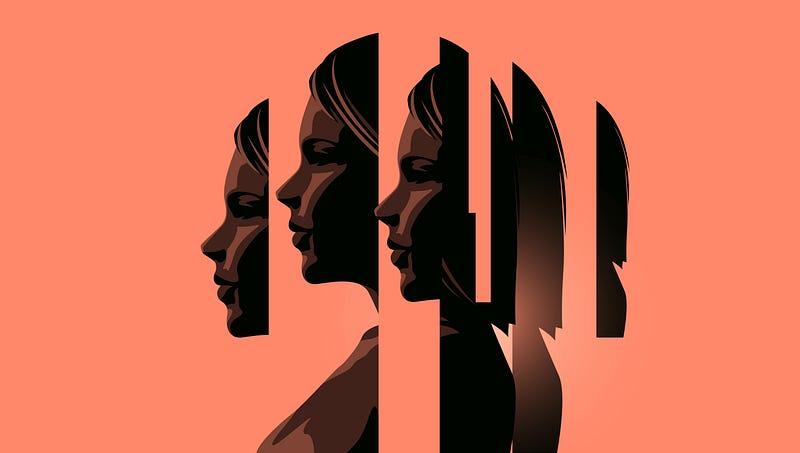
Sitting down to watch television with my husband made the evening feel like a typical end to a typical day, until all my sadness and fear collided back into my body. It was like the feeling that follows the sound of glass breaking or the sound of squealing brakes before a deadly crash. The sadness did not come gradually or in waves; it was sudden and shocking. It echoed in my mind, “This is a lie. Everything has changed.”
And those words and those feelings felt familiar. I’d had them before as a child after my father left my family, as a young adult when my boyfriend walked out on our relationship, and a few years ago after a frightening accident. I realized through the familiarity, these feelings were the building materials of trauma and the beginning of grief, even though no one had died. This was grief in the time of COVID-19.
Grief Hardly Ever Looks the Same
Grief is often associated exclusively with death, and I too have fallen victim to this type of thinking in the past. But, the reality of grief is that it is the complex and tangled web of reactions and emotions that follow any type of loss. And despite the popular outdated thinking of the Kübler-Ross model, grief does not always follow a predictable pattern of five stages of denial, anger, bargaining, depression, and acceptance. In fact, that model was created with the consideration of how patients cope with terminal illness. It just happened to fit nicely to the way some people grieve.
But studies show most people experience grief in wildly different ways. They might be numb, feel intense anger, become paranoid, feel elated, laugh more frequently, or experience any number of reactions and feelings that fluctuate and contradict each other. There is no formula for grief. Rather, we must look at our circumstances and the circumstances of others and say, “Where there is loss, there is grief.”
Like many psychological theories that make their way into popular culture, the effects are harmful and invalidating. I’ve written about how the notion of “flight or fight” is a dangerous line of thinking that creates shame and guilt in survivors of sexual assault. And I believe our pop culture views on grief have similar consequences.
Because the most popular line of thinking is that grief is exclusive to death and follows a pattern of emotions, many people in the world right now might not understand that their uncomfortable experiences surrounding the global COVID-19 pandemic are feelings of grief. Naming your emotions is a foundational part of experiencing them, understanding them, and taking the appropriate action about them. That’s why it is important to name these feelings as grief.
The Collective Grief of COVID-19
But, why would a global pandemic spur a grief-stricken world? Outside of the obvious consequences of the loss of life, much of the world is experiencing a sudden and total transformation of their daily life. In the terms of grief, this is called secondary loss.
Secondary loss is often the most painful aspect of grief because each moment can serve as the discovery of something else that has changed. Secondary losses keep grief coming back to the surface over and over again. It’s why you might feel fine months after someone’s death, only to break down in the grocery store or while sitting in traffic. Grief’s longevity lives in these secondary losses, these aspects of your daily life that cannot return to the way they were before your loss. It is what I experienced sitting on the couch watching TV — a normal activity that reminded me everything had changed.
Even those who have no personal connection to anyone with COVID-19 and even those who underestimate the severity of the virus are likely still experiencing grief. Consider all the changes that occurred in many US cities during the week of March 16th, as well as the changes that happened in countries around the world in weeks prior. Daily life has dramatically changed for billions of people across the globe.
Here in my US city, Jacksonville, FL, our entire community faced drastic changes in one, small week:
- Restaurants moved from reducing hours, to limiting patrons to 50, to closing their dining rooms, to closing altogether.
- Events of more than 100 were cancelled, then events of more than 50 were cancelled, and then no groups larger than 10 were allowed to gather.
- Doctor’s offices limited patients, then cancelled all non-essential procedures, and then transformed into virtual-only clinics.
- Schools extended their spring break by a week, then planned to close for an additional week, and then fully transitioned to virtual classrooms for the remainder of the year.
- Offices with more than 50 employees closed their doors, then all non-essential employees became remote, and then the mayor threatened to shut off the water and electricity to offices that weren’t closing their doors.
- Families’ weekly visits to see grandparents in nursing homes were cancelled indefinitely.
- Co-workers’ weekly happy hours and trivia nights became virtual Netflix watch parties, a concept that didn’t exist the week before.
- Second and third dates of new romances tested their longevity against texting and phone calls.
- Weekly support meetings for alcoholics, the chronically ill, the disabled, and more either closed their doors or attempted a transition to video conferencing.
- Working moms became homeschool moms.
- Teachers became virtual instructors.
- Expecting mothers had to find the strength to face their upcoming labor and delivery in solitude.
- Expecting grandmothers had to process the loss of not being able to see their first grandchild born.
- Weddings became elopements.
- Birthday parties became family dinners.
- Couples ignoring their tensions were forced to not leave each other’s presence.
- Abused partners became further trapped in their torture.
- Grocery store clerks, mail persons, and package delivery employees become soldiers on the front lines of war.
- Doctors and nurses on the brink of retirement paused their dreams and risked their lives.
- The lonely and depressed became even more isolated.
- Actors, writers, artists, filmmakers, and every independent worker looked at their bank account and dreaded the coming weeks of total poverty.
- The simple act of buying groceries became a risk of life and death for the immune compromised.
All of these changes and so much more happened in the matter of a few days. Sudden, unexpected change and secondary loss are the elements of trauma. Just like 9/11 instantly changed our world, the COVID-19 pandemic has shifted our reality to an unknown territory.
Most are having to be something they did not prepare to be, whether that’s a remote employee or homeschool teacher. And as the number of cases and deaths grow, and the economy suffers, these unexpected changes will also grow. Our lives will continue to shift and transform as we battle the worst of this experience, which has yet to arrive. This is grief, and the fallout of unacknowledged, unprocessed grief is trauma. I fear that we will be a very traumatized world at the end of this.
There is Hope for a Future Renaissance
But, I don’t want to end on a note of doom and gloom. Though it is ever-present, there is hope. The most beautiful works of art, most powerful pieces of music, most successful scientific innovations, and most powerful personal transformations happen as a result of grief. These expressions help us process the deep, complex, and strange feelings of loss.
I also say this with caution. We live in a society set at hyperspeed, and many are feeling the pressure to create and innovate instantly. Even in writing this article, I felt immense pressure to be timely. I have been sitting on it for over a week, and all the while, other writers have published excellent, thought-provoking, well-researched articles on the same subject. This social pressure can be unbearable and paralyzing.
So, please, do not feel obligated to create or innovate. It will come. Your grief process is totally unique, and there is no reason to try to mold yourself to experience grief in the same productive ways as others. Simply allow creation and innovation to come and go as it pleases within you, and when this is all over, perhaps you will be part of the next Enlightenment.