Grief in the Time of COVID-19
By Hettie V. Williams
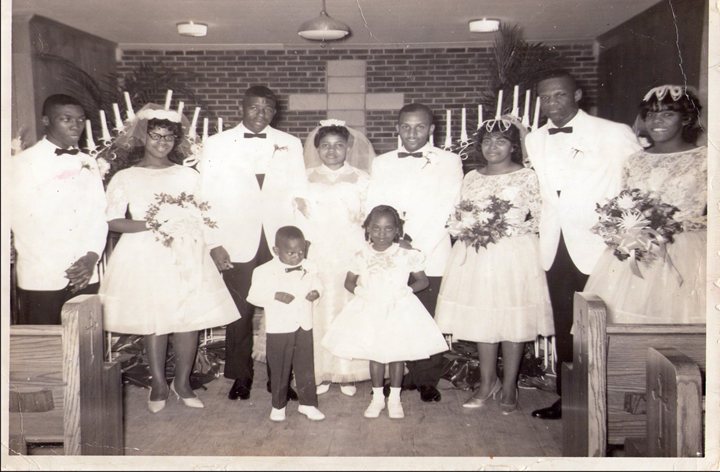
My Dad Freddie G. Williams, Sr. died, of complications associated with cancer, on the morning of March 22, 2020 at his home in Monmouth Junction, New Jersey amid the backdrop of the COVID-19 pandemic. He was my hero, and I loved him deeply, though our relationship was complex and, at times, complicated. Daddy knew that I was always his little girl — and a bit of a brat! Dad also led an adventurous life and I have always thought of him as a Renaissance man in that he had many jobs/professions. He was a brilliant thinker and debater and it was from him that I gained an appreciation for ideas about human freedom. Dad was also a jovial person and possessed of a wry wit. He was making wisecracks until the end at age 80.
Jim Crow segregation stood as a barrier to some of Dad’s dreams; but, yet, he continued to dream big. He always wanted to be a soldier so he became one.
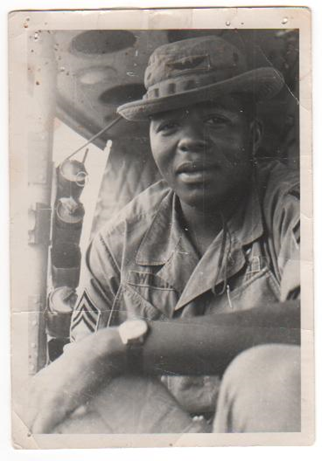
He was a Vietnam Veteran and a member of the elite Green Berets, during the height of the Vietnam conflict from 1967–1968, as a soldier with the 101st Airborne Division. He taught me how to think and argue. And, from him, I gained a love of a great story and history.
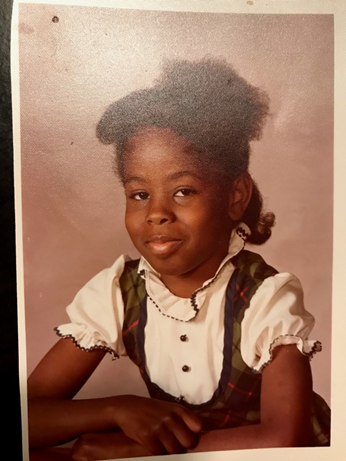
He also had an affinity for popular culture, art, sports, race horses, and gambling. Dad owned race horses, that he ultimately could not afford to maintain, for a brief time, because he was a dreamer. I miss our father-daughter lunches already. I also want to hug him again and say a proper goodbye. I can’t and I may not be able to give him a proper goodbye in this time of COVID-19. My cousins can’t sing at his home going service and my aunties will not be able to embrace me as I weep.
Humans are social and emotional beings. How does one not hug or grieve in the time of COVID-19? I wish I knew.
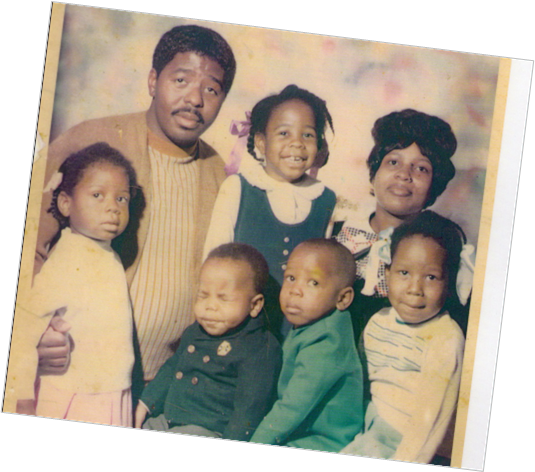
This is a time of social distancing, paranoia, and fear. How can one exist under such circumstances? Family must remain distant at this time of grief and gatherings of no more than ten are not allowed, at any social event, inside or outside of the home given the national (and statewide) emergency. I have five siblings and each one of us has considered remaining home to allow for some of my Dad’s many siblings and friends to say farewell. I am the youngest.
One man in Lakewood, New Jersey was recently brought up on charges for having a large gathering (a wedding) in his home. We have all become increasingly paranoid about the origins of the virus, how it spreads, and whether or not we will become its next victim. Those who own or operate funeral homes are afraid for themselves; and seek, also, to safeguard their employees from illness. Many funeral homes here in New Jersey, a state with more than 8,000 COVID-19 cases, are actually limiting the number of visitors at wakes and funerals. Most are recommending memorial services at a later date.
Monmouth County New Jersey, where I live, is considered a COVID-19 “hot spot” in that the county has more than 600 documented cases of coronavirus and it is the county with the fourth largest number of cases in the state as a whole. Counties with the highest COVID-19 cases in the state of New Jersey on March 28, 2020 are as follows:
Bergen
1,505
Essex
826
Middlesex
640
Monmouth*
634
I recognize that I am not the only person with this dilemma; but, as a historian, I cannot help but wonder how this pandemic will change our humanity. For better? For worse?
My Dad lived a full-life despite Jim Crow segregation and he was a seeker of love. His was a life filled with love, laughter, and regret as is the case with many. Ancient Greek philosophers came up with several terms for the many types of love that they believed existed among humans including: philia (deep friendship), agape (love of humanity), storge (love between parent and child), ludus (playful or young love), eros (sexual passion), philautia (love of self), pragma (longstanding love). Humans love within the context of multiple relationships and we love with our bodies, hearts, and minds. According to biological anthropologist Helen Fisher, love exists as an idea or concept in every major world civilization known to humankind. Humans are biologically hard wired to love with their bodies. We all need to be touched. Love is a need. It is not an illness as Gabriel Garcia Marquez suggests in his now classic novel Love in the Time of Cholera. It is more than eros. Storge — love between parent and child — is likely the strongest and most endurable love of all. One may live without eros (romantic love) but it is impossible to live without love. This pandemic is seemingly asking us to achieve the impossible: live without the touch of love.
Love also exists in the mind and in memories. It is sustainable beyond distance and death. I hope that everyone reading this essay will find a way to sustain love in the time of COVID-19. I love you Papa. Goodbye.


