
Greenyl — The First Eco-Friendly Vinyl Record
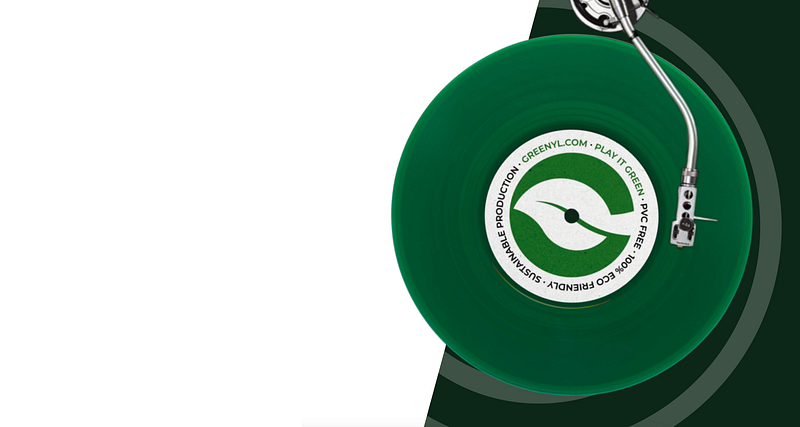
Record collectors no longer need to be eco-terrorists!
Greenyl is the first 100% eco-friendly Vinyl Record plant, and its mission is to reduce the environmental impact of toxic gas emissions dispersed when pressing conventional vinyl records.
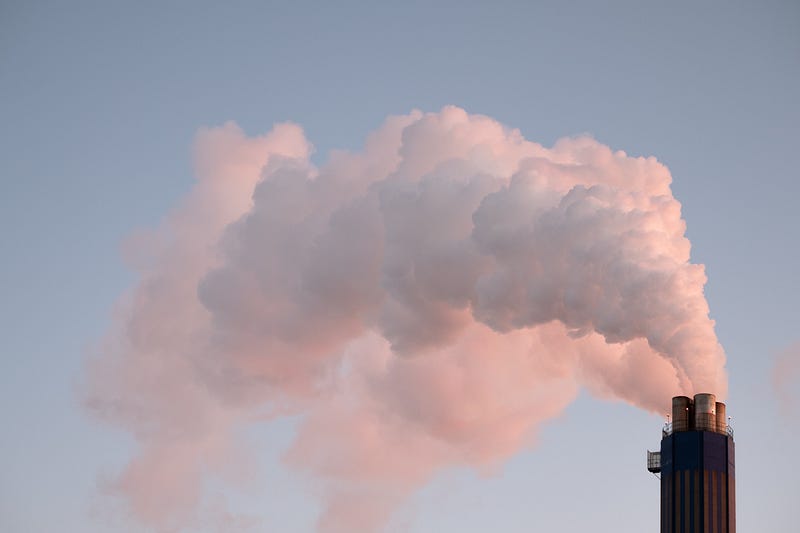
According to Rude Records, a Greenyl partner, the production of one vinyl record has the toxic equivalence of manufacturing 16 compact discs. Vinyl records are made using PVC, which emits chloride — AKA toxic gas — and, as stated, 16 times worse for the environment than any of the currently produced physical music mediums.
In other words, without an environmentally friendly solution to vinyl manufacturing, record collectors will continue to wreak havoc on the environment.
How does it sound?
In the spirt of transparency, I don’t own any Greenyl/Rude Records pressings, but note that the testimonial of sorts on their site presents as reassuring.
A Greenyl sounds perfect and has a high-quality sound. After over a year of research and development, we’ve found excellent sound in all the proposed variants.
I’d love to do an AB test (AKA: send me some records) or even encourage the pressing plant and label to share some research about the differences between traditional vinyl pressing processes and what the eco-friendly solution looks like. Ultimately, it’s still the same product — a phonographic record — but with decades of nuanced information running through our heads about mastering and pressing plants, hot stampers, and varying quality standards, it does generate a few points of curiosity.
Are these records expensive?
The short answer is no, but there are edge cases.
- For a standard sleeve, clear vinyl with gloss printed insert, it’s $40 AUD ($ 27 USD), with $18 shipping, which is actually awesome — at least by today’s pricing.
- But they also have more elaborate pressings, such as this 2LP version of Napalm Death’s Harmony Corruption, which costs $91AUD plus $38 shipping. It’s not unreasonable for a deluxe pressing with a poster, etched vinyl, and other accoutrements.
Greenyl suggests the pressing process will be faster
The process is fully automated, whereas anyone who has observed traditional vinyl pressing will be aware of the human requirements involved in the pressing process.
The suggestion is also that the pressing process is more efficient, meaning reduced waiting times. While the majors may be less affected, for indie labels, a 12-month turnaround on a vinyl pressing has become routine. Coupled with a scarcity mindset and market forces, this solution may help reduce the retail cost of vinyl records — especially if the technology can be adapted to an increased number of domestic locations where vinyl is categorically imported.
There’s an impressive array of vinyl colourways.
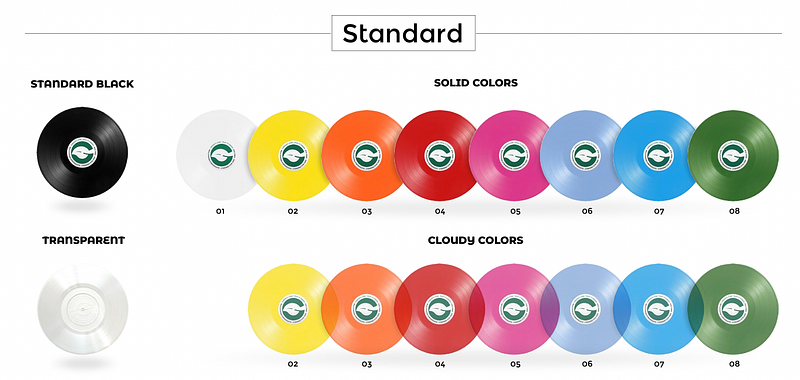
Vinyl has become increasingly elaborate in recent years — particularly with the progression in pouring techniques. There are lots more gold, silver, and galaxy effects to make the aesthetic of the traditional vinyl record even more alluring. The pricing disparity between black and anything that isn’t has also become greater in recent years.
Greenyl offers a significant array of colors — solid, opaque, and custom- and I don’t expect anyone to fail to achieve their idealized color preference.
Ideas we might need to get used to
Greenyl records are 100% recyclable. I don’t think that means they decompose over time, but if, for whatever reason, your record gets destroyed, you can recycle the parts (that’s record company parlance for the pieces that used to be that record you loved).
I have often wondered what happens to all the old records. I assume that those that don’t occupy floor space in the Op Shops became landfill, or if you were innovative (and an eco-terrorist), a nice tiling system for your shed roof.
Separating the idea of permanence to a responsible means of disposal — especially for all of that deadstock that labels gotta be holding on to — is transformative.
Questions I’d love to have answered
- Is it durable?
- Does it wear any faster than conventional vinyl?
- Is it more subject to scuffs and scratches?
- Does it warp any more or less — through natural storage or traditional enemies like the sun.
Questions I got answered!
The fine folks at Greenyl reached out and shared the following.
Is it durable?
Yes, it is, and more than PVC-made vinyl as the base of Greenyl is PET, which is more resistant than standard PVC.
Does it wear any faster than conventional vinyl?
No, it will last for more time as the material itself is more resistant
Is it more subject to scuffs and scratches?
Not actually, depending on how your Greenyl is treated.
Does it warp any more or less — through natural storage or traditional enemies like the sun?
It’s, in general, more resistant than PVC. For example, once produced, vinyls don’t need to be piled up for 24\48 hrs, but they’re ready to be shipped or used right away.
There’s something in the philosophy of doing better and partnering for change
Rude Records is a B Corp business, and their prominent philosophy reads:
We envision a global economy that uses business as a force for good. And we are on a mission to make our Earth a better place through music!
They partner with artists who share similar values — Napalm Death and Carcass are two examples — and have a tree-planting program attached to albums sold. 100 trees per record, to be precise. To learn more about the social initiatives of Rude Records.
Would you buy eco-friendly records? If not, what would help you change your mind?


