
Green Spaces in Urban Places — Episode 1
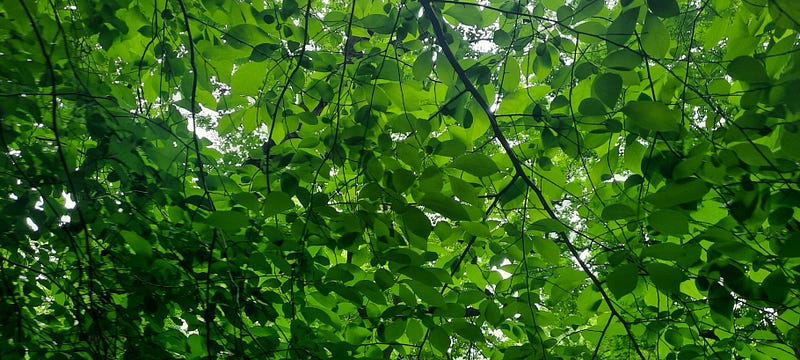
Travel lovers tend to discover their niche and stick with it. Visiting all the pro baseball parks, hiking all the national parks or for the subjective, best cities for pizza. Sometimes there’s an opportunity to incorporate a little bit of the love for national parks into urban landscapes. A city without green spaces is drab, dull and not likely a popular place for the people who live there and its visitors. City planners are tasked with an overall design and flow for their communities. An essential piece of the complex process is recreation spaces for the residents. On a recent coast to coast road trip, there was plenty of time to think about where to go next, and how to stitch together the whole adventure by a common thread.
One of those common threads, discovering green spaces in urban environments. The majority of the road trip was through rural areas. Stays in glorious wide open natural spaces, where the night sky has its own version of brightness, the flora and fauna surrounding the campsite, it’s so far from city life, it’s a soul tonic. Being from an urban area, venturing through wilderness is a welcome relief from the constant hum and din of city life. A one- or two-day visit to New York City, one is missing the forest green of Central Park for the concrete, steel and glass facades, block after block of skyscraper, the town looks and feels gray and sooty.
A determined effort to seek out parks and spaces where the sounds of modern society fade, seeking out the ambient sound filtered by wind rattled trees, leaves applauding your presence. The animals who inhabit the green spaces scurry, chatter, and go about their business around you. That was the goal, to be in a city and try to ignore it. Not the easiest task, however, there were successes, starting with the aforementioned New York City.
New York City, NY
The northern tip of Manhattan Island is a place of quiet. Away from the bustle of dense urban life, incessant honking horns, sirens etcetera. A narrow creek, Spuyten Duyvil”, the Dutch phrase translates, “in spite of the devil”, the slow-moving water is an illusion, it is in fact swift moving. It separates Manhattan from continental North America, across the narrow waterway is the Bronx, home of the New York Yankees baseball club. On the side of the watery passage is Inwood Hill Park, the green thumb of Manhattan Island. It does resemble a long thumb on a map. Yes, Central Park is a grand old green space, everyone already knows about it before they visit the Big Apple.
What to do in Inwood? Breathe. The air is cooler, the shade is more protective. The rocky, forested park is home to the supposed site whereby the native Lanape tribe made the infamous trade to the Dutch for the rights to the island. A plaque on Shorakkopoch rock marks the spot thought where the infamous one-sided barter occurred. In between the stone and the creek, is a large sports green, a sporting green, organized rugby and Gaelic soccer matches can be watched here periodically. On the edge of the field, the terrain is hilly and rocky.
Caves pock the landscape. These caves sheltered the locals for hundreds of years from stormy weather. The caves are accessible, most are mini amphitheater-like spaces. Paved and primitive trails crisscross the park. The city sounds are only heard along the western part of the park, a road connecting the two boroughs, Bronx and Manhattan beelines through.
In August a lesser-known jazz fest entertains in the park for one lively day in the most northern edge of the populous island. If you are a new resident or enjoy travel volunteering, the park hosts various opportunities to preserve the park.
Chicago, IL
The powerhouse midwestern city is greener than it feels. A late summer day in Chicago is as steamy and muggy as one can endure. Escaping the urban streets, the heat conducting off the black top and concrete cityscape is essential. One needn’t leave the great city to discover a pleasant walk in the woods. In the northwestern section of Chicago, a lengthy park complex is along the banks of the Chicago River. There are two golf courses in the parklands, however primitive groves seclude your group from the hustle and bustle of big city life. Paved and hard packed earth trails amble through the series of parks, north to south, on the city boundary is Sidney Yates Flatwoods. A natural floodplain for the river, is lush with grasses and wildflower blooms in springtime.
Down river is Thaddeus “Ted” Lechowitz Woods. Nestled in between the two golf links, a small green, in winter sledding and cross-country skiing are popular along the icy river bend in the park. In spring, a pleasant meander riverside. The third connecting park, Forest Glen Woods. Crosses under the first city break, a highway cuts across the narrow neck of the path, between Forest Glen Woods and LaBagh Woods. A large pond is the main feature. It’s a popular bird watching area. And the southern end of the trail, Samuel Gompers Park, sports fields, and a community pool are in this section of the greenbelt. Adjacent is Samuel Gompers Lagoon and Wetland. End to end it is a two plus hour breath of fresh air. To pick up your party’s pace, cycle the lengthy forested riverside adventure. Who’s hungry? Chicago is well known as a foodie town. A woodland adventure will certainly stoke a hunger.
Houston, TX
The most populous city in the lone star state closes out this first edition. Big and Texas are synonymous. Memorial Park is the nearest to the city center. A 15-minute drive from the city center. Follow Buffalo Bayou upstream to the natural wilds of southeastern Texas. Before the park was developed, the land was a military training grounds for soldiers during World War Two. A great re-purposing by city managers, converting the unused land to a green space twice the size of New York’s Central Park.
Primitive and paved trails snake and meander throughout the massive greenspace. The park is bounded by a freeway to the west and north. In the interior of the park, only the sounds of the wild fill your ears. The southern boundary is the watery ribbon of Buffalo Bayou, on its downstream course past downtown, flowing into the Gulf of Mexico.
In the park, the Houston arboretum and nature center is open to educate and share information about native plants and animals that also call Houston home. Year round the center hosts classes of great variety, nighttime owl prowls, daytime youth education classes, yoga classes too. There are so many classes and events, it’s best to check the calendar. Know before you go.
If your gang of urban explorers aren’t too keen on guided tours, the vast grounds are a wonderland of natural sights and sounds. Two golf courses, and a polo ground for the sporty traveler also share the park grounds. At night, join in on a star party, usually the last Friday of the month. Star gazing Texas style. The southeastern corner of the park is a bird sanctuary, spot cardinal, wren, kingfisher, egret, heron and more native species.
Adjacent to the park, near the bird sanctuary are two excellent activities. The Bayou Bend Collection and Gardens is an artfully landscaped property, the former grand home is now a museum of American arts. A few blocks north, in the neighborhood is a quirky site, the beer can house. It’s now a museum. Tours weekends are available.
*****
Thank you for indulging my writings.
I write about three topics: music, tourism, and sustainability.
By profession, I am a: Travel Designer. My goal is creating for you: a vacation, holiday, road trip or travels as epic as possible.
Open to collaborate!
My personal website, find me @ https://uxfol.io/joshblackprofessional


