avatarMadeleine McDonald

Free AI web copilot to create summaries, insights and extended knowledge, download it at here

1617

Abstract

splash.com?utm_source=medium&utm_medium=referral">Unsplash</a></figcaption></figure><p id="1c9a">However, let’s think that through. The word herbal — or its more scientific-sounding synonym botanic — does not mean a product is safe. Hemlock, for example, grows wild by the roadside in parts of England. but a cup of Nature’s finest hemlock tea seasoned with lead particles would polish you off. Socrates, the Greek philosopher sentenced to death for corrupting the youth of Athens with his revolutionary ideas, drank a cup of hemlock in front of his students in order to comply with the sentence.</p><p id="8dda">Natural cures are as old as mankind and were not always successful. When King Charles II of England lay dying of a stroke, the unfortunate man was made to swallow all sorts of purgatives and herbal tonics. In desperation, when everything had failed, the foremost surgeons of the land crushed pearls into red wine and poured the mixture down his throat.</p><figure id="cdcf"><img src="https://cdn-images-1.readmedium.com/v2/resize:fit:800/0*ruOWrg_AzsmfL4Ly"><figcaption>Photo by <a href="https://unsplash.com/@chermitovee?utm_source=medium&amp;utm_medium=referral">Chermiti Mohamed</a> on <a href="https://unsplash.com?utm_source=medium&amp;utm_medium=referral">Unsplash</a></figcaption></figure><p id="3c73">What can we ordinary consumers do, faced with the tsunami of advertising for products claiming to be green, pure, organic, natural, herbal or vegan? For a start, turn the packet over and read the label. By law, ingredients are listed by order of volume, with aqua (water) usually heading the

Options

list. Extract of coconut, or grape pips, or whatever the selling point is, will probably come three quarters of the way down the list. Reading through the other ingredients will not enlighten you unless you have a degree in chemistry, but it will reveal the myriad synthetic chemicals packed into so-called green products.</p><p id="d997">Try mashing strawberries, yoghurt and oatmeal into a homemade face mask and the mixture will stink out the fridge after a few days. So we do need preservatives in our cosmetics. The niggling question remains: do we need quite so many.</p><p id="3fd4">Then there is the vexed question of fair trade and sustainability. The cosmetics industry might choose to promote wild iris petals as the magic ingredient one year and move on to something else the next, leaving the petal pickers in poverty again. Palm oil is plant-based, yet palm oil plantations in Indonesia or Malaysia destroy the rain forest habitat of gentle orang-utans. Sparkly mineral cosmetics are made from mica, which may have been dug out of the ground in India by child labourers.</p><figure id="cfcb"><img src="https://cdn-images-1.readmedium.com/v2/resize:fit:800/0*5-j_rjCK-vDQPVS2"><figcaption>Photo by <a href="https://unsplash.com/@curology?utm_source=medium&amp;utm_medium=referral">Curology</a> on <a href="https://unsplash.com?utm_source=medium&amp;utm_medium=referral">Unsplash</a></figcaption></figure><p id="861e">To compensate for wrinkles, life teaches you a healthy dose of scepticism. We all deserve to look our best, at any age. But it’s also time we looked behind the façade.</p></article></body>

Green or greenwashing?

It pays to read the label on ‘natural’ cosmetics
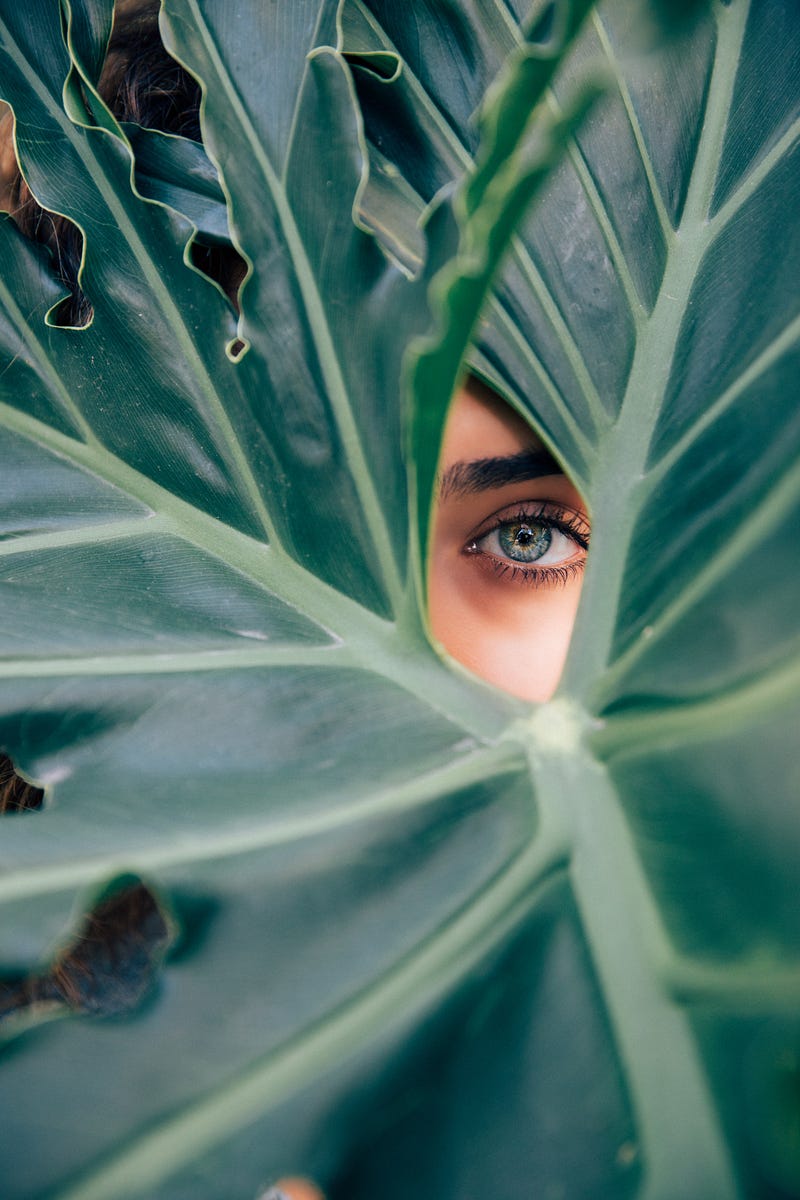
Photo by Drew Dizzy Graham on Unsplash

With Christmas coming up, I treated myself to a new jar of face cream. The more the wrinkles spread, the more willing I am to suspend disbelief and buy into the idea that a thin film of gunk might — just might — delay the insidious effects of aging.

The choice was overwhelming and I lingered by the displays that promoted their ‘green’ credentials. After an enjoyable interlude sniffing the various testers, and dotting samples onto the back of my hands, I bought a tub of my old favourite, Nivea, which I reckon does the same job for a tenth of the price. Nivea, by the way, claims that its products are ‘eco-friendly’.

In recent years, every cosmetics company in the land has jumped on the bandwagon of products variously described as natural, organic. plant-based, or vegan. They employ armies of skilled copywriters to beguile us with images of soft greenery.
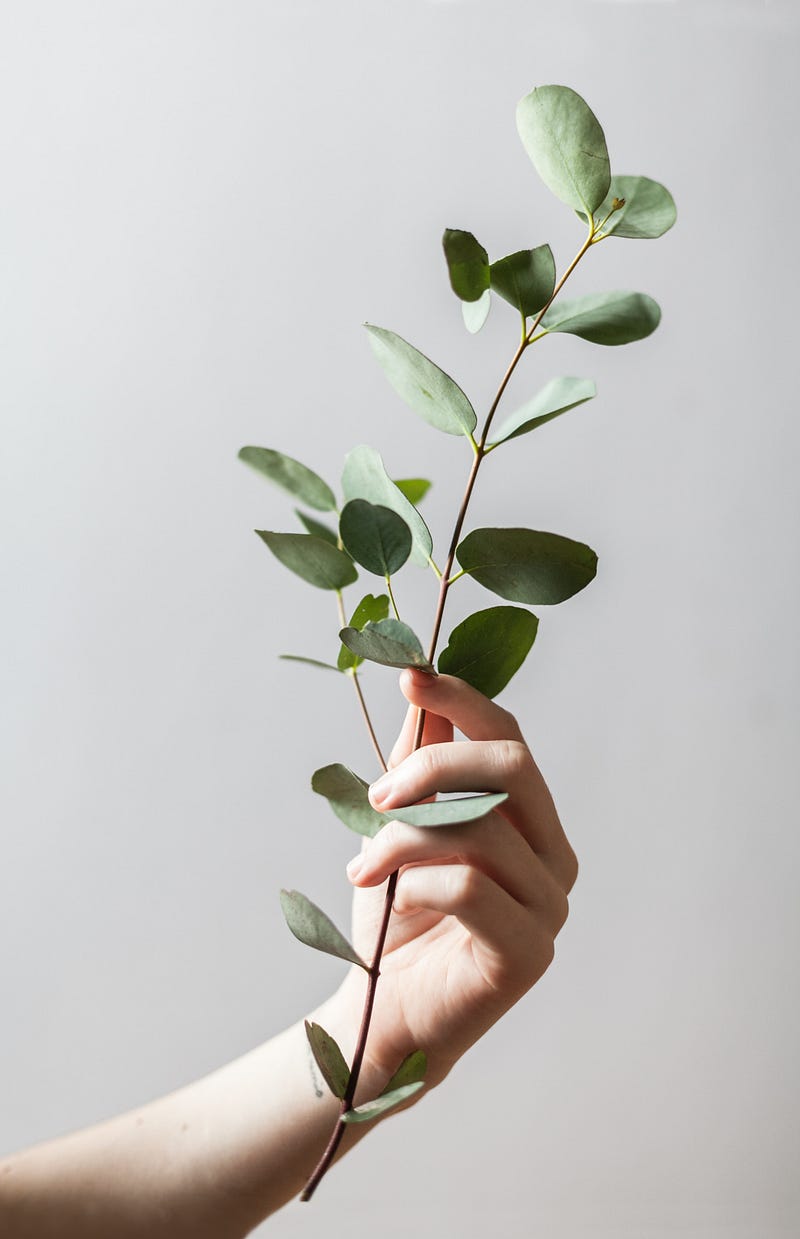
Photo by Alex Lvrs on Unsplash

However, let’s think that through. The word herbal — or its more scientific-sounding synonym botanic — does not mean a product is safe. Hemlock, for example, grows wild by the roadside in parts of England. but a cup of Nature’s finest hemlock tea seasoned with lead particles would polish you off. Socrates, the Greek philosopher sentenced to death for corrupting the youth of Athens with his revolutionary ideas, drank a cup of hemlock in front of his students in order to comply with the sentence.

Natural cures are as old as mankind and were not always successful. When King Charles II of England lay dying of a stroke, the unfortunate man was made to swallow all sorts of purgatives and herbal tonics. In desperation, when everything had failed, the foremost surgeons of the land crushed pearls into red wine and poured the mixture down his throat.

Photo by Chermiti Mohamed on Unsplash

What can we ordinary consumers do, faced with the tsunami of advertising for products claiming to be green, pure, organic, natural, herbal or vegan? For a start, turn the packet over and read the label. By law, ingredients are listed by order of volume, with aqua (water) usually heading the list. Extract of coconut, or grape pips, or whatever the selling point is, will probably come three quarters of the way down the list. Reading through the other ingredients will not enlighten you unless you have a degree in chemistry, but it will reveal the myriad synthetic chemicals packed into so-called green products.

Try mashing strawberries, yoghurt and oatmeal into a homemade face mask and the mixture will stink out the fridge after a few days. So we do need preservatives in our cosmetics. The niggling question remains: do we need quite so many.

Then there is the vexed question of fair trade and sustainability. The cosmetics industry might choose to promote wild iris petals as the magic ingredient one year and move on to something else the next, leaving the petal pickers in poverty again. Palm oil is plant-based, yet palm oil plantations in Indonesia or Malaysia destroy the rain forest habitat of gentle orang-utans. Sparkly mineral cosmetics are made from mica, which may have been dug out of the ground in India by child labourers.
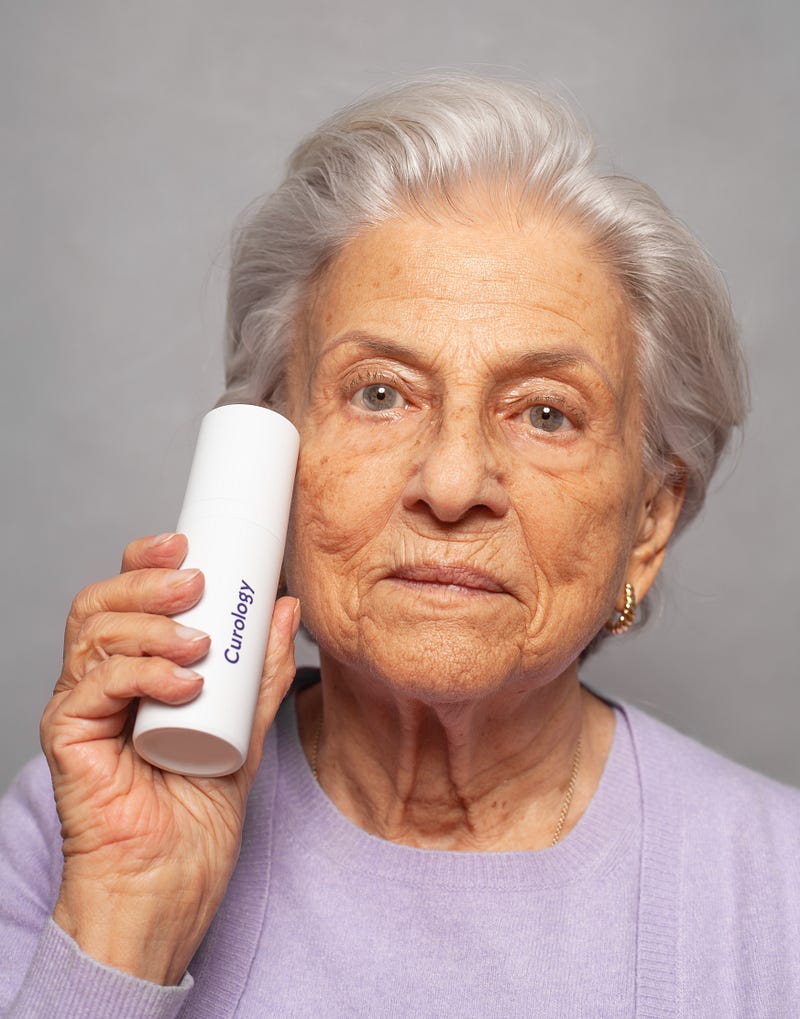
Photo by Curology on Unsplash

To compensate for wrinkles, life teaches you a healthy dose of scepticism. We all deserve to look our best, at any age. But it’s also time we looked behind the façade.

Recommended from ReadMedium