
Great Fiction Tells the Truth About Human Nature
The fact that fiction is not real doesn’t make it any less true.
My massage therapist recently told me that she doesn’t like reading fiction because it is “not real”. She is an avid reader of biographies, memoirs, and other genres — as long as they’re non-fiction.
As a great lover of fiction, I couldn’t believe what I heard. I had never met anyone unwilling to read stories because of their being fictional before.
Sure, there are a lot of people who don’t read fiction, but most of them don’t because they lack the necessary time or patience. Usually, these people don’t read at all, or at least no more than a few online articles a week.
Since my therapist is someone who devours books like I devour pizza, I was thoroughly shocked to hear that she doesn’t read fiction. She said she wanted real stories, not invented ones.
And that’s where she is wrong.
The fact that fictional stories are invented doesn’t mean that they are not true. It is one of the great qualities of fiction to tell true stories that haven’t actually happened.
Otherwise, it would basically just be journalism.
A Mirror for Society
A look at some of the most popular books of all times shows that great fiction is a mirror of humanity.
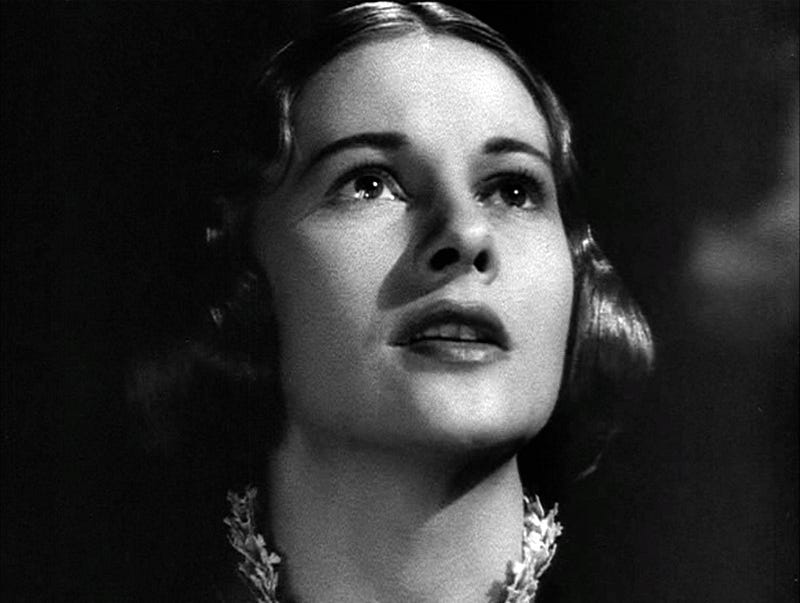
Think about Charlotte Brontë’s Jane Eyre:
Not only is this classic novel a realistic portrayal of society at the time, but also does it observe the deeply human traits and behaviours of its characters in a way that couldn’t be more accurate.
Or, if you’re not into classics, take Harry Potter:
Technically, we could consider the fantasy genre to be even further away from reality than others. Yes, there are dragons and house elves and spells, but at the core of the story are the characters, who are — you guessed it — human in spite of their being wizards.
Harry’s struggles are the same that any school kid or teenager might encounter:
He’s trying to figure out how the whole romance thing works, how to be a good friend, and how to become an adult, all while fighting the most powerful dark wizard of all times.
The magical society in Harry Potter faces the same challenges that real-life Western societies face: racism, politics, you name it.
Of course, the fact that house elves are an enslaved species might not be real, but exploitative working conditions are a true problem we humans have to deal with.
“Willing Suspension of Disbelief”
A reader of fiction enters a silent treaty with the author: The reader agrees to believe the story presented by the author, even though it is not real; the author agrees to deliver the story in a way that makes it seem realistic.
Both of them know that the story didn’t actually happen. Samuel Coleridge, a poet from the enlightenment era, called this the “willing suspension of disbelief”.
The keyword here is “willing”. If you want to enjoy fiction, you must be willing to believe a story you know isn’t real.
The story can still be true, though.
Too many books, too little time? I’ve got five free tips for you on how to read more. Click here to get my exclusive tips.


