Summary
The text paints a grim picture of a dystopian society where color, freedom, and individuality are stifled, and the healthcare system is complicit in maintaining this oppressive status quo.
Abstract
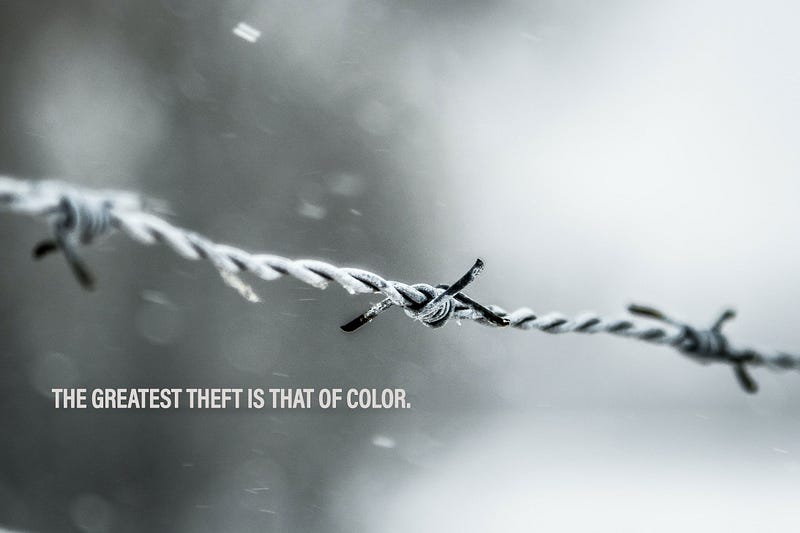
The narrative unfolds in a cityscape dominated by the bleak color gray, symbolizing a lack of vitality and hope. The imposing "building of Freedom and Self-confidence" stands as an ironic testament to the oppression of its inhabitants. The citizens, particularly the women and children, suffer from stark poverty and the absence of color in their lives. The children, described as "lost" and "stolen," are forced to play in the shadows of barbwire, a stark contrast to the innocence of childhood. The healthcare system, represented by nurses in black uniforms, is depicted as an arm of this oppressive regime, tasked with indoctrinating newborns with "bellyfeel," a concept reminiscent of thought control, while hiding their own inexperience and the stains of their deeds. The text concludes with a nod to "Microcosm," a platform that challenges the author's creative boundaries, particularly through its recent writing prompt.
Opinions
- The author views the city as a place devoid of color and joy, where the concept of freedom is a facade.
- The healthcare system, particularly the nurses, is seen as an instrument of oppression, tasked with enforcing conformity and suppressing individuality from birth.
- The children are portrayed as victims of a society that robs them of a colorful, free childhood, confining them both physically and mentally.
- The nurses' black uniforms are interpreted as a means to conceal the moral darkness of their role in this society.
- The author expresses a sense of challenge and growth through the writing prompts provided by "Microcosm," suggesting a positive view of this platform as a catalyst for exploring difficult themes.