
Gratitude Haikus
Day 30 response: Thank you, Doctor R., For challenging us to think. Of Science and Soul…

Gratitude
Digital hands reach to greet and hug new-made friends. Bonds made with haikus.
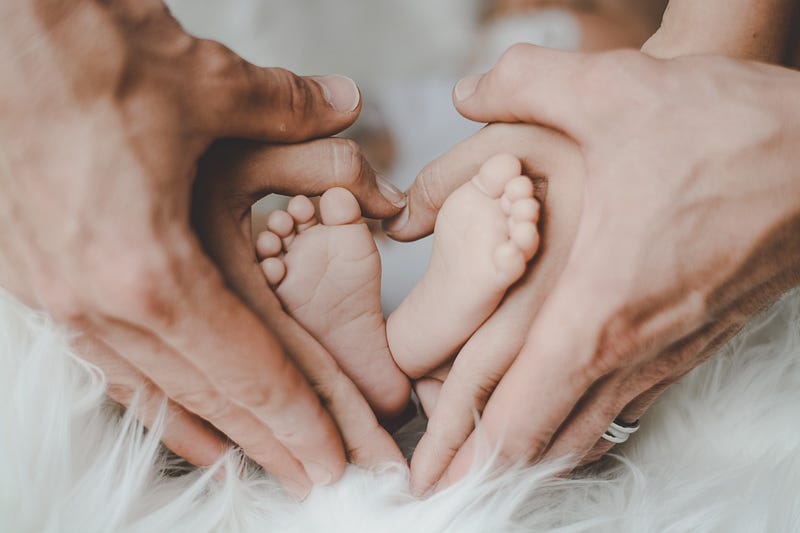
With science haikus we may forge new neural links. Yin and yang connect.
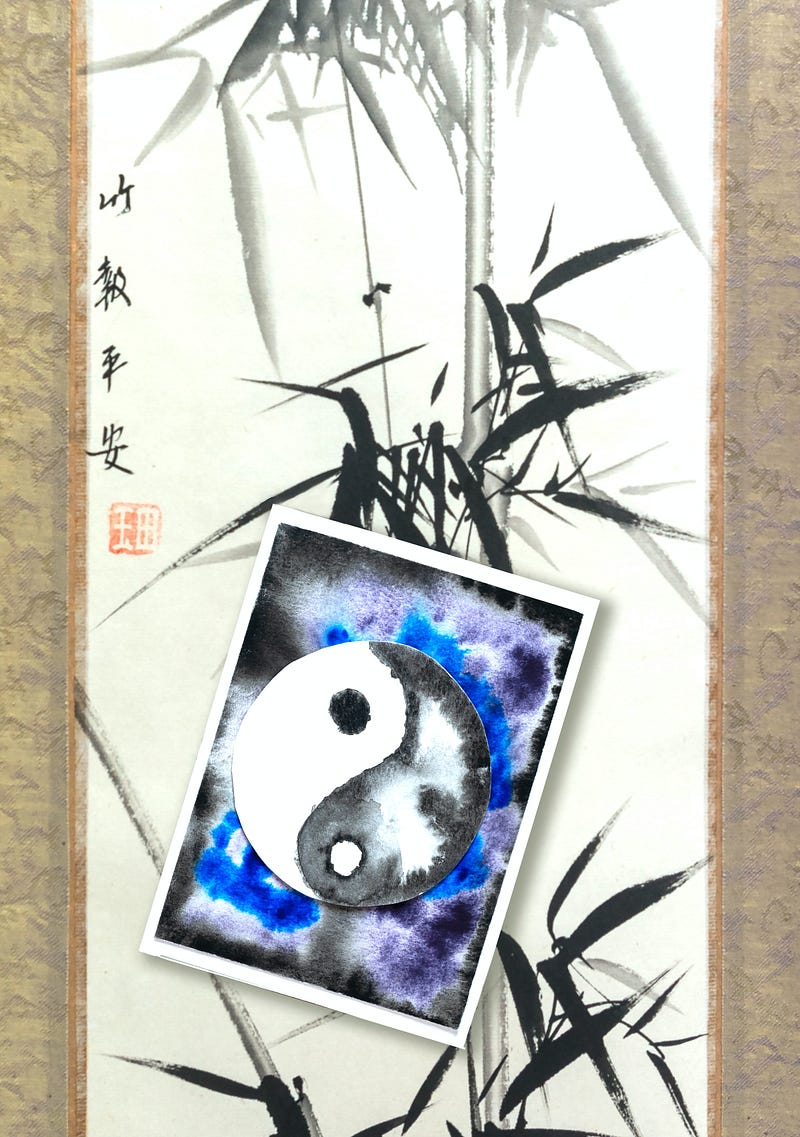
Thank you, Doctor R. For challenging us to think. Of Science and Soul.

Roman statesman, lawyer and academic, Marcus Tullius Cicero (106–43 BC) said: “Gratitude is not only the greatest of the virtues, but the parent of all of the others.”
Gratitude, according to the Oxford English Dictionary, is the “quality of being thankful; readiness to show appreciation for and to return kindness.”
It is an old word, tracing back to Late Middle English and from Old French, which in turn comes from the medieval Latin gratitudo meaning “thankfulness,” from the Latin gratus meaning “pleasing” or “thankful.”
Further roots of the word gratitude lead back to the Proto-Indo-European word *gwere, meaning “to favor.”
Ancient (5th-4th century BC) Indian philosopher Siddhartha Gautama, or Buddha, said “A noble person is mindful and thankful of the favours he receives from others.”
Gratitude is the foundation for all the major religions, Judaism, Christianity, and Islam, where worshipers are encouraged to give thanks to God.
The emotion of gratitude clearly has old linguistic and historical roots in religious texts, and perhaps goes back further. But how far?
Jane Goodall may have an answer to that, in that chimpanzees also feel and display gratitude. The evidence for this seems to be in their grooming and food-sharing behavior, where such favors are often returned much later, as if to say “thanks.”
Of course, this has to be balanced by the knowledge that both chimpanzees and humans share the capacity for war, for the extermination of their own kind from a neighboring and competitive area.
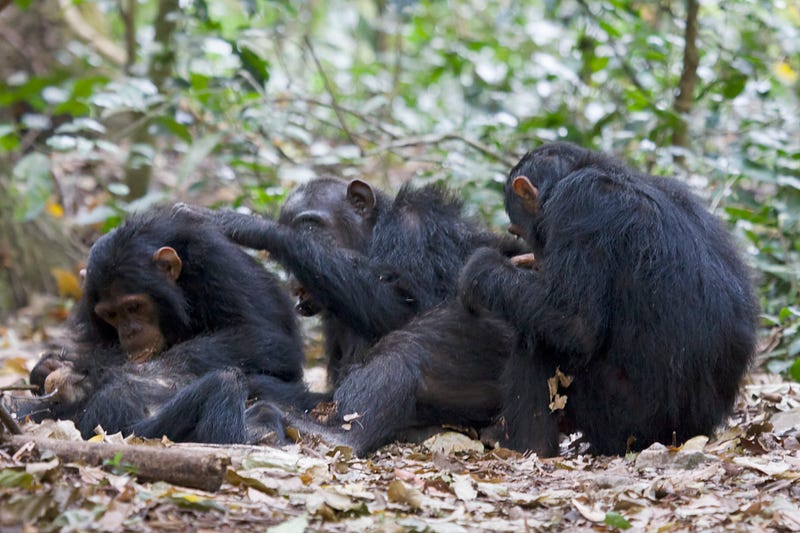
The commonality of behaviors in closely related animals like chimpanzees and humans naturally raises the question of whether there is a genetic basis for the show of gratitude. Some studies suggest that oxytocin promotes close social bonds, and that a gene CD38 affects oxytocin secretion. Furthermore, specific variations in this CD38 gene were associated with a range of shows of gratitude. These studies are based on self-reported expressions of gratitude, correlated to genetic testing of the CD38 gene. While we are a long way from demonstrating a genetic, much less an evolutionary origin for gratitude, it is clear we share a valuable and admirable trait of gratitude with our nearest kin on this broad-branched tree of life.
And for sharing this platform, and challenging us to stretch the wet wires of our brains to accommodate such different ways of thinking and to merge the yin and yang of science and soul, I thank Dr. R. Rangan from the bottom of this chimply duuude’s heart.
Gratitude!!
For More on the #30DaysOfScikuChallenge:


