
Gratitude As You Age: How to Cultivate a Thankful Mindset in Later Life
Embracing the beauty of life
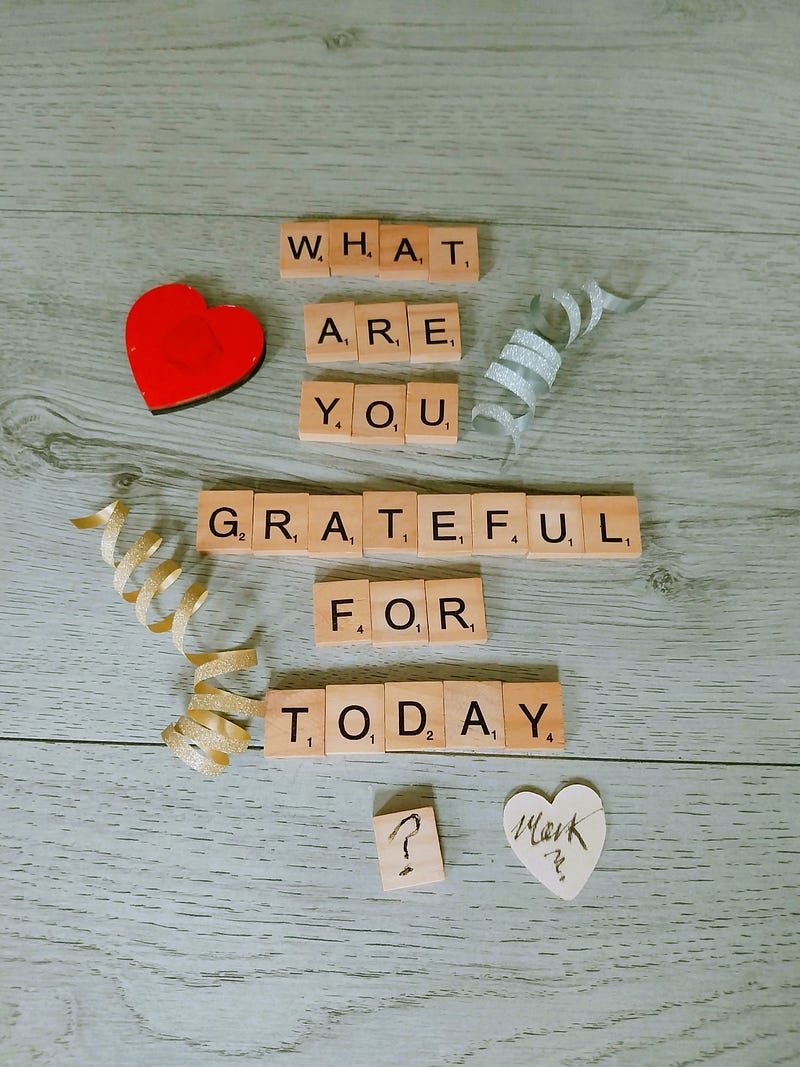
Gratitude is expressing appreciation for the good things in our lives, whether people, things, events, or experiences. It is also a response to the kindness and generosity of others and a willingness to pay it forward. Gratitude is a powerful emotion that can enhance our well-being, happiness, and relationships.
Gratitude can transform our mindset and shift our focus from what we may have lost to what we still have. It helps us cultivate a positive outlook on life, even facing challenges.
As we grow older, we gain a wealth of experiences and wisdom, and gratitude helps us embrace this perspective and find joy in the simple moments that make life meaningful. Gratitude allows us to find beauty in the present moment, regardless of age. Gratitude reminds us that every day is a gift and there is always something to be thankful for.
We can experience many joys like wisdom, leisure, freedom, and grandchildren. Focusing on the positive aspects of our lives and expressing gratitude for them can improve our mental and physical health and overall quality of life. As we age, it becomes more essential to cultivate a spirit of gratitude and appreciation for the beauty that surrounds us.
As we age, our relationships become even more precious. Gratitude strengthens our bonds with our loved ones and allows us to appreciate their presence. It reminds us to cherish our moments together and create lasting memories. By practicing gratitude, we can foster deeper connections and create a support system that sustains us through our various challenges.
Gratitude allows us to embrace the beauty of life, find joy in the present moment, and nurture our relationships. As we cultivate a spirit of gratitude, we discover that age is not a limitation but rather an opportunity to live fully and authentically. So, let us embrace the gift of appreciation as we age and let it guide us toward a life filled with purpose, joy, and deep gratitude.
Remember, we can shape our narrative and create a life rich with gratitude.
Benefits of gratitude as we age
Gratitude has numerous benefits for aging individuals, as indicated by scientific research. Although gratitude is a spontaneous feeling, studies suggest that it can also be cultivated as a practice through conscious efforts to count one’s blessings.
Significant social and personal benefits are associated with this practice. Feeling grateful for loved ones, colleagues, animals, nature, and life is possible. Research has shown that people can deliberately cultivate gratitude, and those assigned a task that stimulates the expression of gratitude exhibit lasting changes in the prefrontal cortex that heighten sensitivity to future experiences of gratitude.
Gratitude is an emotion that can make a person feel happier. It is also a mood as well as a personality trait. Some individuals are naturally more inclined to feel grateful as a daily habit. Psychologists find that feeling grateful boosts happiness and fosters both physical and psychological health over time, even among those struggling with mental health problems.
- Keep a gratitude journal. Write down three to five things you are grateful for daily and why. Note the big and little joys of everyday life. Try to be specific and detailed. Review your journal regularly and reflect on how gratitude makes you feel and act.
- Express your gratitude to others. Say thank you to the people who make a difference in your life, and let them know how much you appreciate them and what they do for you. You can also write them a letter, a card, or an email, or give them a call, a hug, or a gift. Thank yourself, too, for your achievements, efforts, and strengths.
- Practice gratitude meditation. Find a quiet and comfortable place, and sit or lie down. Close your eyes, and breathe deeply and slowly. Bring someone or something you are grateful for to your mind and focus on the feelings of gratitude that arise in your heart. Repeat a gratitude mantra, such as “I am grateful for…” or “Thank you for…”. Do this for 10 to 15 minutes or as long as you like. Alternatively, you can use gratitude apps, websites, books, or podcasts that provide gratitude exercises, quotes, stories, or challenges.
- Cultivate a gratitude mindset. Try to see the positive side of every situation. Avoid comparing yourself to others and focus on what you have, not what you don’t have. Be mindful of the present moment, and appreciate what is happening here and now.
- Be optimistic. Imagine what your life would be like if some positive event had not occurred. That’s called “mental subtraction.” Be optimistic about the future, and expect good things to happen.
In conclusion
Gratitude is a gift that we can give to ourselves and others. It can make our lives richer, fuller, and happier, especially as we age. Regular gratitude can cultivate a thankful mindset that can transform our perspective and aging experience.
The famous writer and philosopher Albert Schweitzer believed that gratitude is the highest virtue and the source of all virtues.
“The greatest thing is to give thanks for everything. He who has learned this knows what it means to live. He has penetrated the whole mystery of life: giving thanks for everything.”
Contact email: [email protected]