
Google’s Pixel 6, The Future of Phones
Google’s Pixel 6 phones are changing the way we interact with our devices, and putting the smart back into “Smartphone”
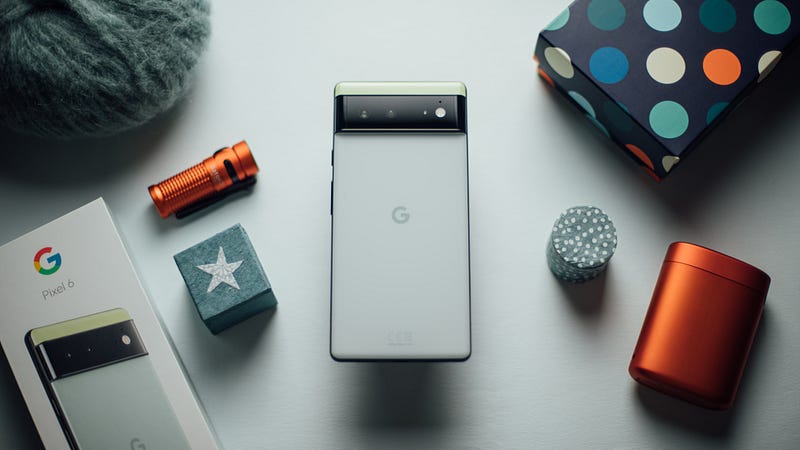
Since 2006, smartphones have become a staple in the pockets of people everywhere. And while an evolution of the smartphone has undoubtedly occurred, it has stayed mostly the same.
Phone makers over the years have focused primarily on the phone’s hardware. Things like bettering the cameras specs, the screen technology and adding battery life to their handsets. Even with all those changes geared at making the devices better, it didn’t change how we actually use our phones.
Enter Google’s Pixel phones — known both for their amazing cameras and their unfortunate hardware issues. However, that may all change this year with the Pixel 6 line up. This newest iteration of Google flagship devices could be a turning point for the search engine giant — moreover, it might be the first look into the future of mobile tech.
Pixel, the phone only a nerd could love
Pixel phones evoke strong feelings in those who use them. There seems to be two camps — the OG tech heads who migrated from Google’s now defunct Nexus line of phones and the other group existing of iPhone or Samsung ex-pats.
If you came from the Nexus brand, you understand Google’s “vision” and jump at the opportunity to be a part of bringing it to fruition. If you’re coming from iPhone or Samsung, you’re probably less forgiving of Google’s short comings and half-baked ideas.
When the rumors started that Google had plans to make their own chipset to power their upcoming Pixel phones, there were definitely feelings of anxiety and trepidation in the mobile tech space. It would be the first time Google -a company known for its software prowess — was not only making its own hardware but also the silicon that would power it. Meaning Google wasn’t just trying to make a flagship worthy to take on Android’s biggest names — no, Google wanted to compete with the juggernaut commonly known as Apple and their iPhone.
To compete on Apple’s level, they would have to offer features not merely on par with Apple’s, they would need to outshine them.
Enter Artificial Intelligence (A.I)
The virtual assistants on mobile phones have really only needed to do a few things well. Set reminders, timers, and occasionally a badly composed text message or a simple voice search.
That is all set to change with the Pixel 6 and Pixel 6 Pro. Thanks to the new Tensor chipset, the bar has been raised in A.I.
After having this phone for just over a week, I have noticed the simple and habitual ways I interact with my phone changing. Every day, we tap, swipe, pinch, and flick at our phone screens hundreds, if not thousands, of times. And while that still holds true here with the Pixel 6, I have noticed I spend more and more time talking at my phone… and it talking back to me.
Certain features like the “Always Listening’’ feature of Google Assistant have been a staple of Google’s for a long time, but now it’s more fluid. Using the hot words “Hey Google” feels less intrusive and more natural. The improved A.I’s ability to understand a more relaxed tone of voice, and not be tripped up by accents, allows you to speak conversationally with your phone as opposed to the more sterile feeling of dictation often experienced with other virtual assistants like Siri.
The Tensor chip’s ability to understand human speech has other real-world applications. From being able to control functions on the phone, like stopping a timer, to real time translation and transcription.
Privacy
Before the freak out over Google and the company’s controversial privacy policy, it is important to note that these features are done on the phone. Google has also taken a more proactive role in protecting users’ data. Not only do they alert you when an app accesses your camera or microphone, but Google has also placed an easily accessible toggle to turn off the camera and microphone access in notifications shade of Android 12.
Google has also made it easier for you to access your own Google account right from the phone’s settings. Whether you want to revoke Google’s access to your location, or just delete your location history all together, it’s more straightforward than before. It also shows you suspicious activity with your accounts and helps you fix the issues.
Building an ecosystem
Ask any iPhone user why they love iPhones and they will tell you it’s the ecosystem. They may not use those exact words, but that’s what it boils down to. Whether it’s iMessage and Facetime, or the way all Apple products work together seamlessly, or how apps undoubtedly work better with iPhone than they do Android phones. It all comes back to Apple’s ecosystem. Now it’s Google’s turn to build an ecosystem for the Pixel phones. One that sets it apart even from other Android phones.
Google has done just that, first by adding privacy features and now by addressing their ongoing text messaging problems.
After years of struggling, Google has finally gotten itself together with messaging. After many, many failed attempts at trying to find a counter solution to iMessage, they have settled on a universal RCS profile.
Rich Communication Services or RCS, allows many of the same features you find in iMessage or any other IM app. Sending videos, reactions, typing and read indicators are all baked in with the Pixel phones.
Even better still is that now all US carriers work with RCS. Which means other Android phone brands can download Google’s proprietary messaging app from the Google Play Store and be in on the RCS fun too!
Google also has put a lot of work in hand-off features like allowing you to connect your phone to your windows computer. Much like iPhone and Macs, you can reply to text messages and video calls right on your computer. This feature is not a Pixel exclusive, but is definitely worth noting.
However, the optimization of social media apps for Pixel phones is an exclusive feature.
Gone are the days of Instagram and Snapchat posting screenshot of your photos. With the Pixel 6 line, app’s can make use of the phones hardware directly when shooting in app. Much like on an iPhone, if you take a picture in Snapchat, it uses the phone’s camera. On other Android devices, it takes the image you captured — and screenshots it — which of course leads to a degradation in the photo’s quality.
Final Thoughts
As a tech nerd, I love all mobile gadgets, including Apple. But, I’ve always been in the “OG Google Nexus” group of Pixel users. That means even with all the previous Pixel phones shortcomings, I could see where they wanted to go with the Pixel line. And for the first time, I think they were actually successful. Whether that will be enough to go toe-to-toe with Apple is yet to be seen, but this was a great first step in that direction.
The Pixel 6 feels polished in a way none of its predecessors did. And while it can still use some improvements and fine-tuning, Google’s known for not only patching bugs, but consistently having feature drops bundled into its security updates.
In the past week of using this phone, I am pleasantly surprised at all the little tweaks they put into the phone’s older features. But it’s the way the new features not only enhanced the user experience, but add value to real-life interactions that has my tech nerd brain dancing with glee. Real-time translations from one language to another is one such feature that could change life going forward. From mundane things like ordering a coffee while traveling abroad, all the way to emergency situations where a language barrier could be detrimental.
That being said, people crave familiarity, not to mention have brand loyalty. Many people don’t want to stray too far from their comfort zones. And while Google is finally moving the Pixel line in the right direction, it is going to take a lot of PR to turn the tides of popularity in their favor. Especially with Apple users in America. Americans love their iPhones, and their blue bubbles. That blue bubble is both a status symbol and a source of comfort for iPhone users.
One issue that needs to be addressed by Google to their future customers if they want to compete with the likes of Apple and Samsung is Adaptive Battery. I have seen a lot of comments on how the battery life of the Pixel is unforgivably bad and so they had returned it. Pixel and other Android phone manufacturers use Adaptive Battery technology, and if you’ve never encountered it before, it can be confusing. With a phone that uses Adaptive Battery, it can take a good week for the phone to learn your usage/charging patterns and adapt itself to them. After that period, the battery evens out and you will see a drastic difference in the life of your battery.
Read more on Adaptive Battery here: https://readmedium.com/adaptive-battery-simplified-6025562d0a5b
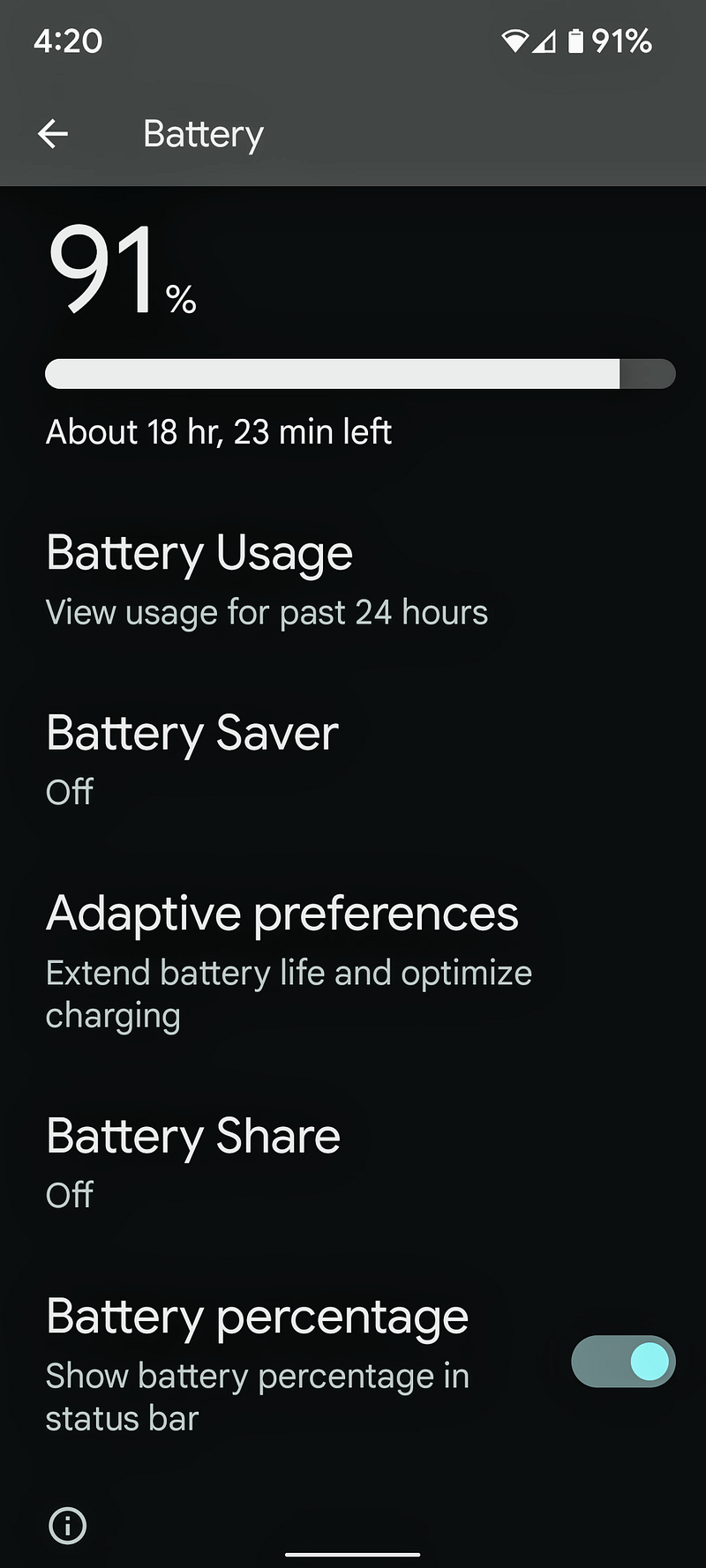
I now get 5–6 hours of screen on time, but it took a whole week to get there.
If you’re looking for a solid upgrade, and are ready to try a bit of the future before it becomes “commonplace”, I would definitely recommend giving one of the new Pixel phones a go! You can find great deals on both the Pixel 6 and the Pixel 6 Pro at carriers or unlocked through the Google Store.
Join Medium and read every story from Leigh Robbins (and thousands of other writers). Your membership fee directly supports Leigh Robbins and other writers you read. You’ll also get full access to every story on Medium.https://medium.com/@lrobbins3/membership


