
Google’s Latest Update is Destroying Independent Bloggers
Here’s what to do if your site is impacted
For independent bloggers, it’s a bloodbath right now. Late last week, Google released a new Helpful Content Update. These updates bring changes to how the search engine ranks web pages.
The result of this update has been anything but helpful for site owners and independent bloggers. Many have reported traffic drops between 50% and 80%, even on sites with well-researched and carefully written content.
Who are the winners and losers in this new update, and what will come next?
What is the New Helpful Content Update Doing?
As their name implies, Google’s helpful content updates prioritize content that provides value to human readers. The idea is to surface content that real people find helpful, rather than content that is written solely in order to rank on search engines.
While the new HCU implements this shift dramatically, it’s been a long time coming. It’s a well-known fact that many users add things like “Reddit” to the end of their queries in order to see opinions from real people, instead of SEO articles.
Google has been rolling out features to surface more of this content. Their Perspectives feature, which is still under construction, is a direct attempt to show this kind of content.
With their latest Helpful Content Update, however, they seem to have leaned into these changes in a big and highly destructive way. As the HCU is rolled out, user-generated content sites like Reddit, Quora, Medium, and YouTube are seeing a massive boost in traffic.
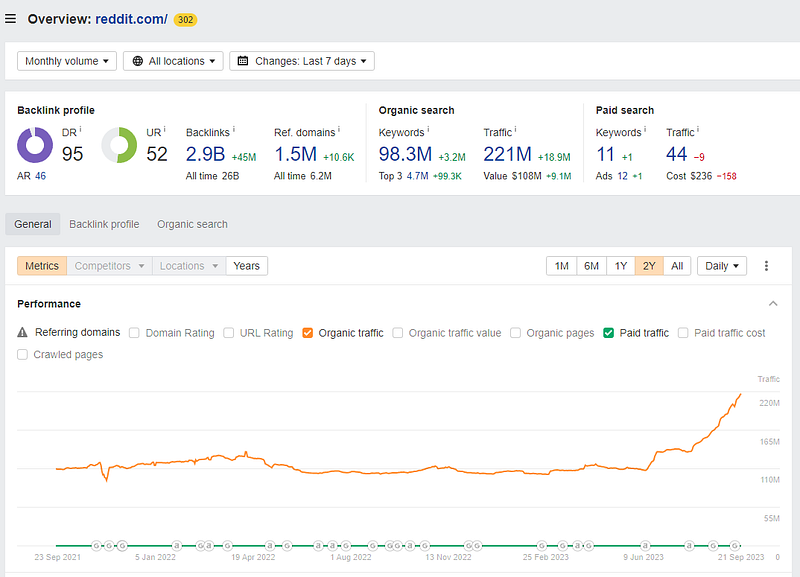
As SEOs have noted, Google is surfacing Quora posts that are eight or more years old, rather than newly written, long-form content from independent bloggers.
The result for independent publishers has been a massive drop in traffic.
As posts from sites like Reddit and Quora steal the top-ranking positions on Google, many professional site owners have seen their traffic drop dramatically.
With reports of traffic dropping by 80% overnight, people are losing their livelihoods in a heartbeat.
Why Would Google Do This?
Again, Google wants to surface more helpful, human-first content.
It seems like Google couldn’t accurately tell whether webpages follow their new guidelines about E-E-A-T (Experience, Expertise, Authoritativeness, and Trustworthiness) just by looking at the contents of a page.
It appears that instead of looking at the quality of individual pages or blogs, they’ve simply chosen a few winners, like Reddit and Quora, that consistently produce human-centered content, and elevated them above the others.
To be clear, updates take about two weeks to roll out. It’s possible that people who are seeing big traffic traps will see the traffic restored as the update is completed.
But for now, it seems that Google’s technical limitations in judging the helpfulness of content are driving them to take the “easy way out” and give a massive boost to sites with user-generated content.
The Winners of the HCU
Interestingly, not everybody has been destroyed by this update. Again, sites that source and curate user-generated content are doing extremely well.
Medium, for example, has been showing fantastic results. My independent website, Life Tech Shorts, has seen about a 50% drop in traffic since the update. My main site, which covers the same topics and is hosted on Medium, has seen about a 30% increase.
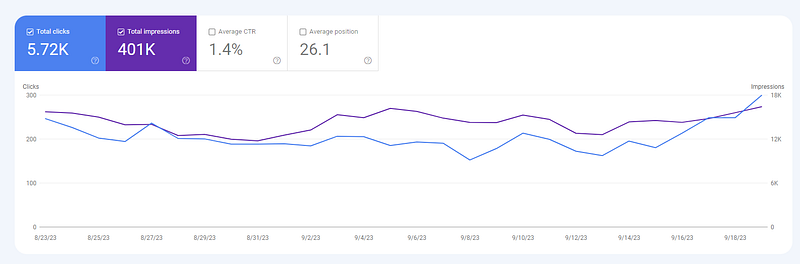
There’s also some evidence that websites created with Semantic SEO — a process that focuses on creating densely connected pages around semantically related topics, rather than focusing on keywords and search volume — are the more resilient sites.
Sites with clear and deep expertise are doing well too. SEOs have noted that while their own portfolio of niche websites has gotten hit badly, their clients’ sites have taken off.
Many times that’s because SEOs develop their own sites to focus on informational or affiliate content, while doing contract work for clients who own small businesses or software-as-a-service companies. Their clients have clearer and more easily demonstrated expertise and experience than they do.
That’s certainly been the case for me. Many of my portfolio sites have either seen traffic drops or remain flat, whereas websites for clients with 20+ years of experience in their field and deep backlinks have seen big traffic bumps.
YouTube has also seen a huge jump from the Helpful Content Update. Users have likely been turning to YouTube videos for authentic content, especially when they’re looking for reviews of a product. Google seems to have picked up on this and is surfacing far more YouTube videos for queries, especially for how-to or product review topics.
What Should I Do About the Helpful Content Update?
If you’re a publisher who has seen a big hit from the helpful content update, here are a few steps you can take.
Firstly, don’t panic. The update is still rolling out and it’s possible its rankings will change dramatically between now and when it completes. Google has been known to reverse updates or to make tweaks when their new search results clearly aren’t serving user needs.
If users find this updated version of Google, which is largely a feeding ground for Reddit and Quora posts, to be unhelpful, Google will likely restore a lot of the independent publisher content that has been crushed.
Beyond that, the helpful content update is a reminder that the world of SEO has changed. It’s no longer enough to build a website that gets organic search traffic from Google. It’s essential to diversify your traffic sources.
That not only helps you stay resilient if you get hit by an update, but likely signals to Google that you’re a larger brand and not an SEO-oriented publisher that they should crush in favor of a bunch of Reddit threads.
Here’s what I recommend doing right now:
- Lean into YouTube. Google is clearly prioritizing YouTube results, and YouTube is the only UGC platform that’s a clear winner, long term, for Google. It’s nice to send traffic to Reddit, but ultimately that traffic doesn’t earn money for Google. YouTube traffic serves the need to surface more helpful UGC content, while also earning ad revenue for Google. It’s very likely that they will continue to prioritize YouTube, and even bump up its prominence over time.
- Get Your Content Onto More Platforms: Google is prioritizing content published on platforms over content from independent sources. Again, this is likely because Google wants to prioritize helpful, human-written content from people with real experience, but they’re not quite sure how to do it yet. Rather than determining whether an independent blogger’s post shows real experience, they’re relying on sites like Reddit and Quora, where moderators weed out unhelpful responses. Over time, it’s likely that Google will get a better sense of how to judge pages from independent bloggers, and will see genuinely helpful content and have a resurgence. In the short term, though, it’s an invitation to get your content onto platforms that essentially vouch for its authenticity. I might be biased, but I think Medium is a great place to do that! Even publishing platforms like LinkedIn Publisher have reportedly seen big bumps in traffic. Especially if you’re monetizing your content with lead gen or affiliates, platforms are a great place to be.
- Feel Free to Use AI Content: Weirdly, the one type of content that doesn’t seem to have been hit too badly in the HCU is AI content. Many people reported that AI-generated sites are doing better than their heavily human-written ones. It’s very possible that will change over time. But at the moment, AI content that has been edited by humans seems to be performing well.
- Diversify Traffic Sources: This is probably the most important point. I’m not that worried about traffic to my site The Bay Area Telegraph because most of it didn’t come from Google organic search anyway. I get 10,000s of views from platforms like NewsBreak, Flipboard, and Google Discover (which operates differently from Google’s main search results). That traffic still appears to be healthy. Depending on your niche, you can get traffic from Pinterest, Facebook, or other platforms. If you haven’t taken steps to diversify your traffic sources, the current crisis is a painful, but important, reminder to do so.
- Stay the Course: It’s tempting to react emotionally when you see your traffic and income drop by 80% or more. Now is not the time to make dramatic changes to your site, though. All the things I’ve suggested here are steps you probably should’ve taken months ago if you haven’t already. Lean into those, but don’t start deleting content from your site or making dramatic updates. It’s unlikely that the current state of Google serves users’ needs perfectly. Search engines will probably start to restore more content from independent publishers, especially if they gain confidence and what makes a piece truly helpful. Take a crack at things like YouTube and get your content on two external platforms, but don’t make any dramatic changes to your business model based on one update.
It’s a stressful time for independent bloggers, and it’s important to acknowledge the toll that massive traffic drops can take. Hang in there.
Stay up to date as the update rolls out, and learn how to better leverage AI in your own workflow. Join my newsletter and grab a free copy of my guide 7 Enormously Useful ChatGPT Prompts for Creators.


