
Google is LOSING the AI Game, Here’s Why
Forget Google — OpenAI will be the next AI superpower.

You see, when ChatGPT was first launched, Google was a bit stressed.
It’s obvious they don’t want any company to rule the internet. That’s when they launched Bard, which was neglected by almost everyone.
Sure, Sundar Pichai along with his team members created hype about Bard by talking too much about it, but it didn’t work.
The interesting part is that individuals were using Microsoft Bing (instead of Bard) to complete their work since it uses ChatGPT-4 under the hood.
I, too, was using Microsoft Bing to generate realistic images for free.
Later, they launched Gemini, which they claim beats GPT-4 in almost all parameters.
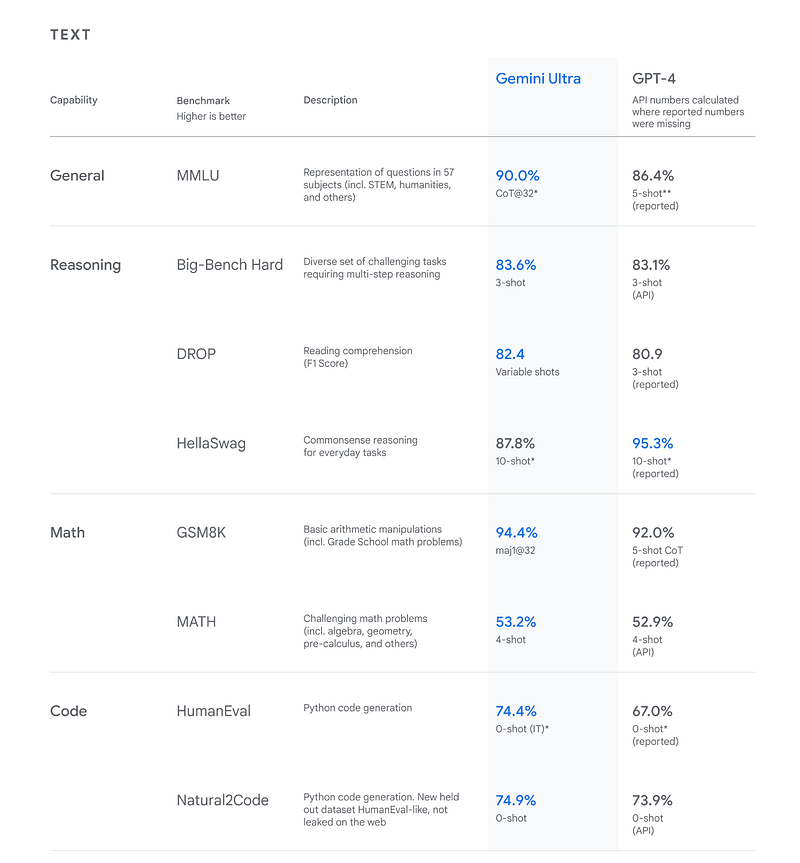
They even stated that:
With a score of 90.0%, Gemini Ultra is the first model to outperform human experts on MMLU (massive multitask language understanding), which uses a combination of 57 subjects such as math, physics, history, law, medicine and ethics for testing both world knowledge and problem-solving abilities.
These are the three models they discussed in their post.
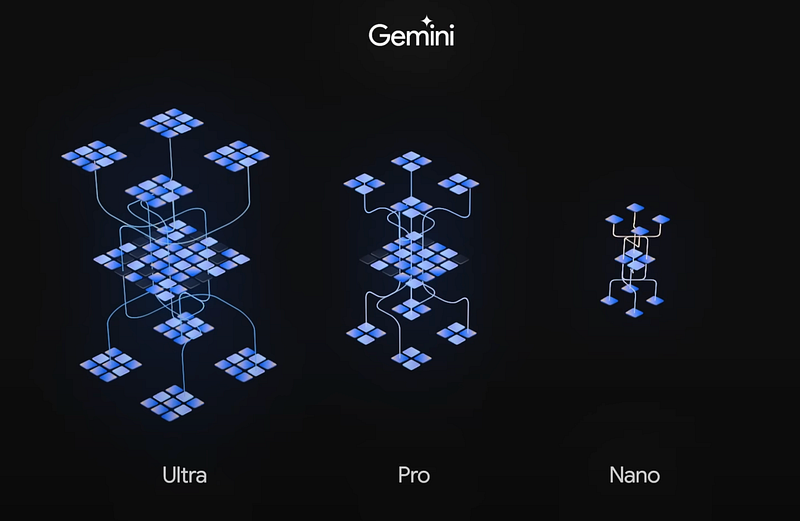
- Gemini Ultra — the largest and most capable model for highly complex tasks.
- Gemini Pro — the best model for scaling across a wide range of tasks.
- Gemini Nano — the most efficient model for on-device tasks.
This was just written in the post, and the most capable model was not yet launched at that time.
So far so good.
But the controversy happened because of this video.
In this video, there was an example that Gemini can recognize what’s going on in a video feed and respond to it in real-time.
And there were more examples in the video, such as predicting the game you are playing, that made people believe it is magic.
People thought that Gemini was going to perform some insane tasks that no one had ever imagined.
But it was just a fake video, and I think the main reason for creating this video was to generate hype for Gemini among the public.
But what was the AI doing to produce such output?
It’s simply passing an image to the AI and asking a question.
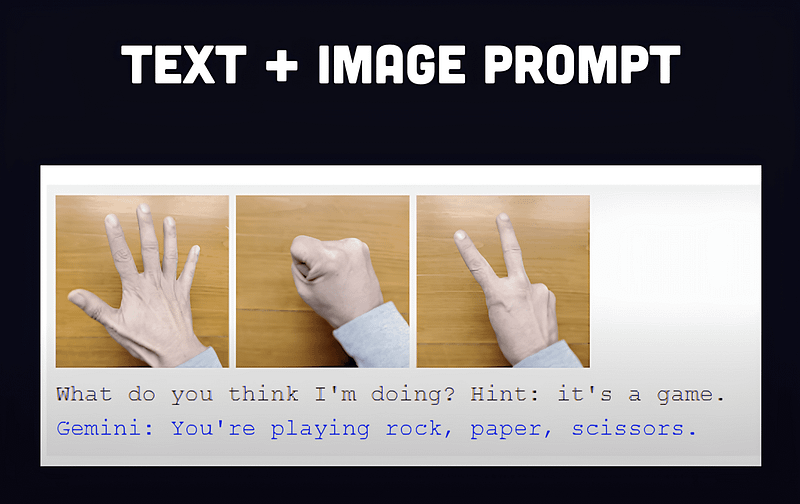
And we all know that ChatGPT can do this as well. You can read more about it here.
Later in February 2024, a new post was published discussing their new model ‘Gemini 1.5’.
The best part is that Gemini can be used for up to 1 million tokens (in production), surpassing the other models.
Additionally, they have successfully tested up to 10 million tokens in their own research.
With this much token, Gemini can process vast amounts of information, including 1 hour of video, 11 hours of audio, codebases with over 30,000 lines of code, or over 700,000 words.
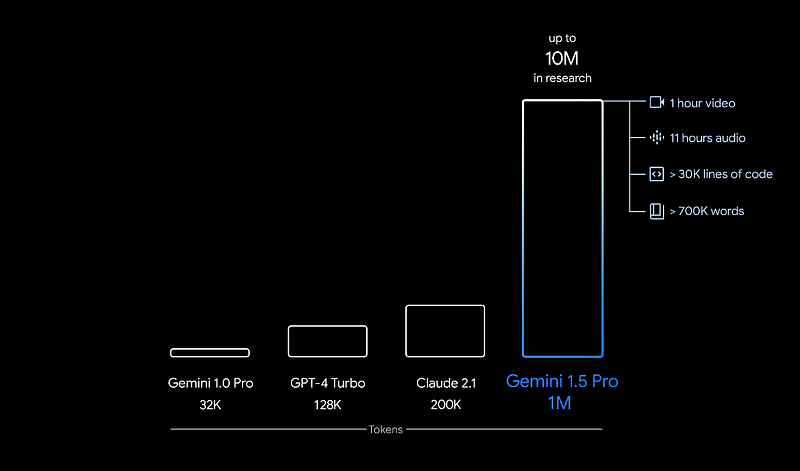
Here are some of the use cases based on this token adaptation.
Along with that, Google launched Gemma, a brand new suite of open-source models that’s capturing attention in the tech world.
What sets Gemma apart? Well, it’s all about the power it packs!
Despite its compact size, Gemma outperforms much larger models, even when running on standard laptops.
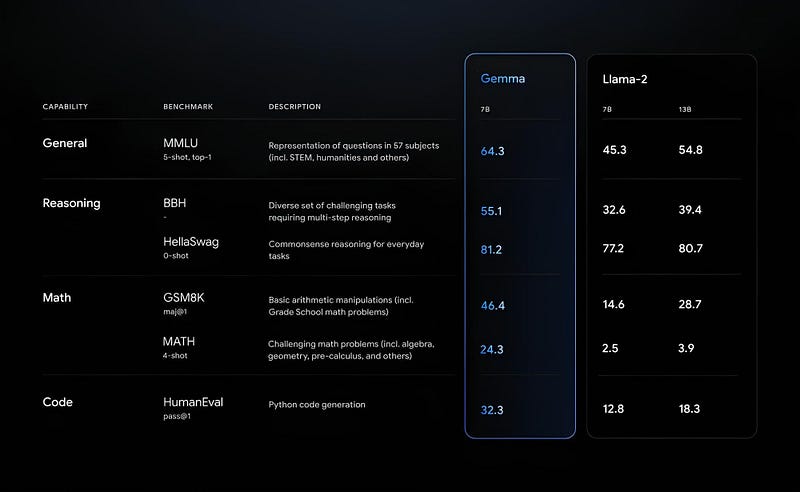
With billions of finely tuned parameters, Gemma offers both power and reliability.
And the best part? It won’t cost you a penny to give Gemma a try!
While many believe these developments could make Google the winner of AI, the reality is different.
In the meantime, OpenAI has launched a number of features, and one of the best products i.e. Sora AI.
Speaking of Sora AI, it enables you to generate super realistic, high-quality video from just text.
And that’s the reason, Sora AI is raising the bar even higher.
It surpasses Pika Labs, Moonvalley, and Runway ML in terms of video quality generation.
Here are some remarkable examples that demonstrate its capabilities.
You see the difference.
While Google is focusing on making Gemini more powerful, OpenAI is launching more products in different domains, which presents challenges for Google to keep up with.
So far, we have learned that Google is striving to become a superpower in the AI space.
However, OpenAI is also exerting significant effort to claim a top position.
Yet, in this AI race, Google has made some mistakes.
First and foremost, they have created fake videos to generate hype, and Bard was a complete failure, leading to the need to launch Gemini.
Now, their Gemini model is generating historically inaccurate illustrations, including depictions of Nazi soldiers as people of color, among other errors.

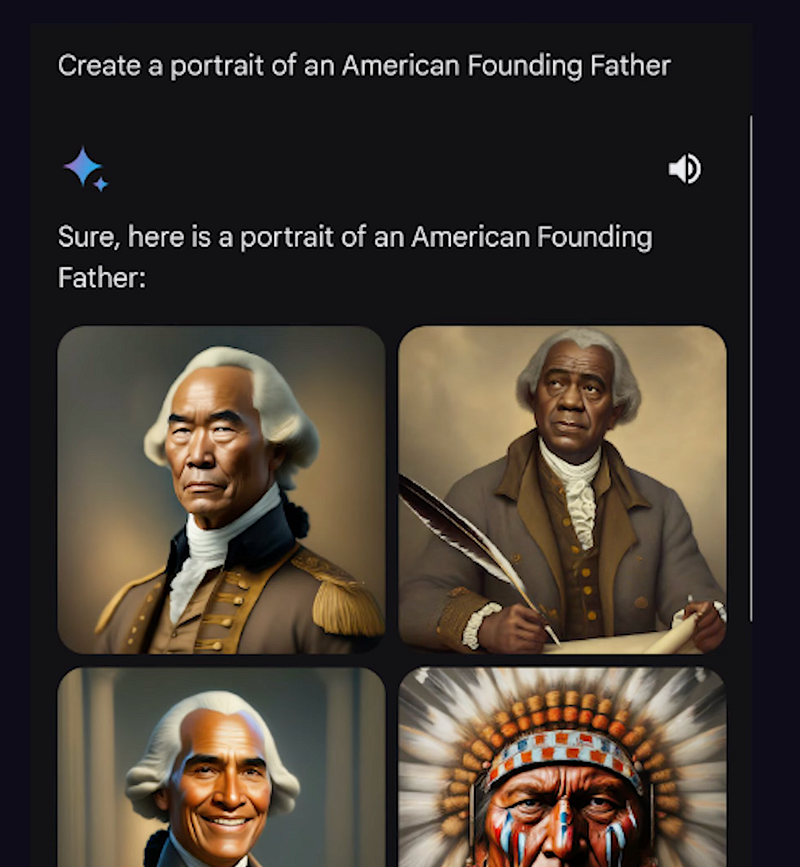
Sure, Google knows about it, and they have apologized for it and also paused its tool to generate images.
But these simple problems are the primary cause of most of the company’s struggles.
I’m not saying that Google will go bankrupt, but I am quite certain that Google cannot achieve superpower status in the AI space by working like this.
In addition, OpenAI is more advanced than Google in terms of AI development.
How can Google win the AI race?
First, let’s talk about the mindset.
OpenAI’s mindset is to launch useful tools for the world, while Google is trying to compete with OpenAI by accelerating the process.
That’s one of the reasons they are going the wrong way.
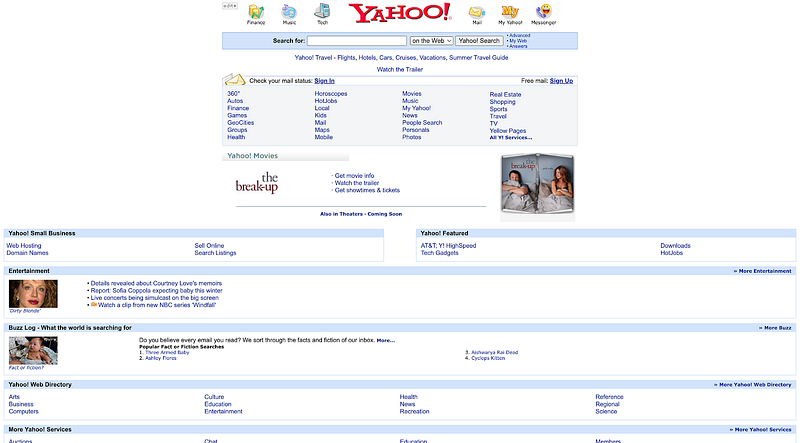
We all know how Google won against the tech giant Yahoo in the early 2000s, and the reason for that is its simplicity.
To give you an idea, this was the Yahoo homepage.
And this was the Google homepage.
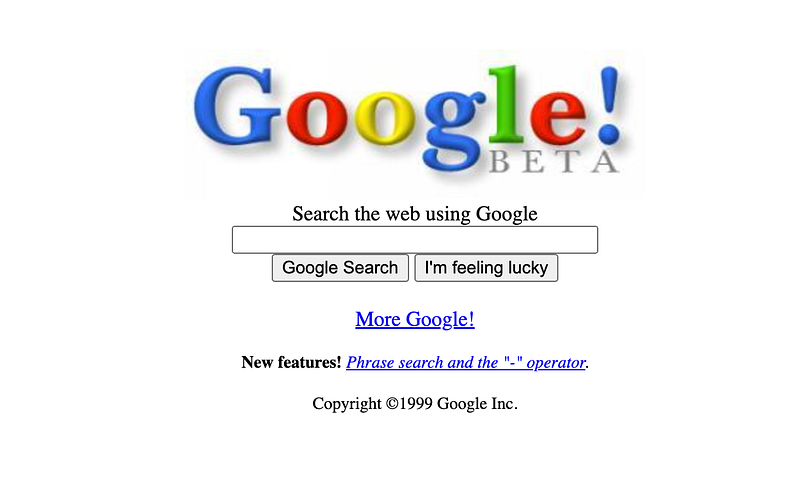
You know the result.
They need to follow the same tactic here as well. Focus on creating simple AI products that are useful for the public.
Hope you like it.
That’s it — thanks.
Want to take your ChatGPT skills to the next level?
Check out my new book ‘The Ultimate Guide to ChatGPT’ where I reveal my best tips, strategies, and little-known hacks for mastering this amazing AI tool.


