
AI-powered platform for One-Person startup
🔵 Google irritates the AI community
AI’s Future is in Open Source | text-to-image MUSE
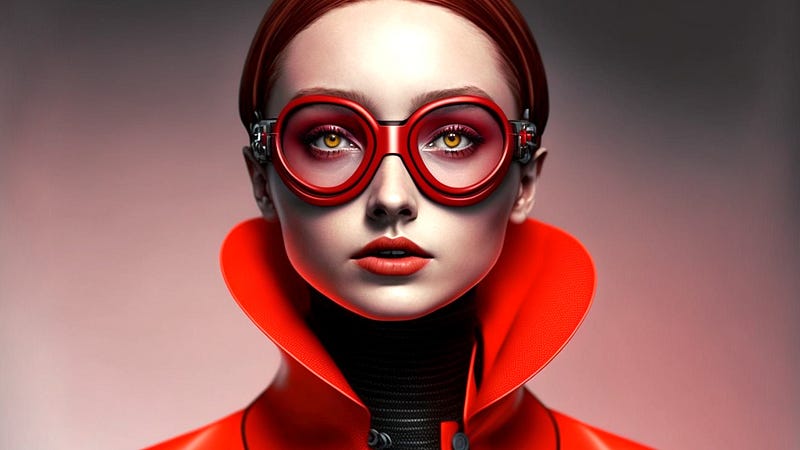
For Google, the AI world stopped in 2020. Cassie Kozyrkov writes about hallucinating chatGPT, and Google Research shows images that no one can verify.
🟠 Will Google die in 2023? A new star is born!
Microsoft is planning to integrate ChatGPT into Bing shortly. Microsoft’s AI team has been working on incorporating ChatGPT into their search platform, and the results have been promising. The chatbot can generate personalized search results for users, and the team is confident that it will offer a better experience than Google’s current search algorithms.
🔵 Update GPT-3’s knowledge base with real-time data
🟠 FREE DEMO available Today!
The AI community has been irritated by Google’s lack of innovation and openness in terms of their artificial intelligence projects. While they’ve made some advancements in the past, they haven’t released any new projects since 2020. This has caused many of industry leaders to question their commitment to the field, and their refusal to share their code and research has been a significant source of criticism.
David vs Goliath: How one person startup took on the AI art industry
The advent of a vast number of deep learning-backed text-to-image models, such as DALL-E-2, Stable Diffusion, and Midjourney, to mention just a few, has been a game-changer for the advancement of artificial intelligence research ever since the year 2021 began. In addition, today, Google announced a new text-to-image Transformer model that, according to Google, achieves state-of-the-art levels of performance in picture production.
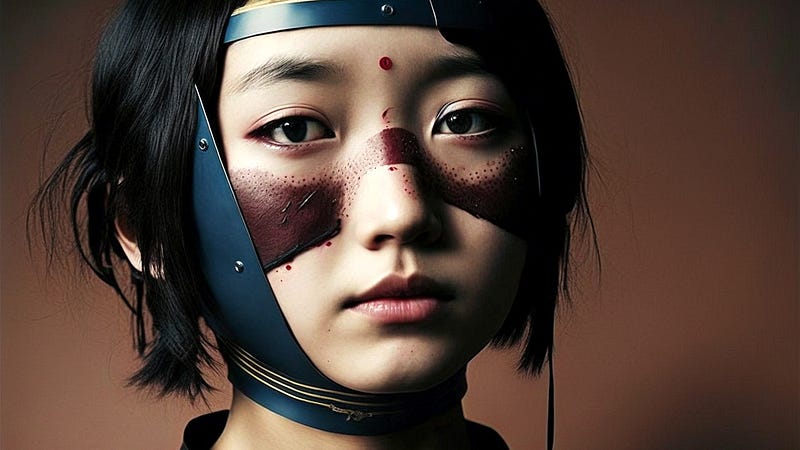
Google’s brand-new machine learning model for images is called Muse, which has a different architecture from existing systems. It is able to produce AI pictures very rapidly, with each image taking around 1.8 seconds to generate. To compare it qualitatively with other models, it is on par with them; nevertheless, it is expected to have a more reliable ability to represent notions such as stacked objects or text in the picture.
Unfortunately, Google has not released the code for Muse or any kind of demo version of the project. This is a surprising move from Google, considering that it has been a major proponent of open-source projects. Such a project could have been a huge leap forward for the generative AI space, but as it stands, Google has chosen to keep it under wraps for the time being.
Open source is in generative AI’s nature — the code is released and tested at other projects. The research community produces new models, adopts them and extends their functionality. They will have little chance of gaining traction in a competitive environment if they aren’t open-sourced.
I invite you to explore the concept of Creative Machine Learning tools by reading and learning from the many articles found on 🔵 MLearning.ai 🟠
- Check out my instagram with new material every week
- If you enjoyed this, follow me on Medium for more
- Want to collaborate? Let’s connect on LinkedIn
- https://linktr.ee/evartology
Data Scientists must think like an artist when finding a solution when creating a piece of code. Artists enjoy working on interesting problems, even if there is no obvious answer.
All our writers (members) receive the opportunity to be promoted on our social media, which increases the popularity of articles published on MLearning.ai
- Linkedin (44K+ ML-professionals)
- Twitter (5.4K+ followers)
- Instagram (2.4K + followers )
- Sketchfab * — individual vRooML!
- Youtube
- Apple Podcasts
- Substack


