Google Announces VLOGGER — An AI Tool That Generates Human Vlogs From Audio
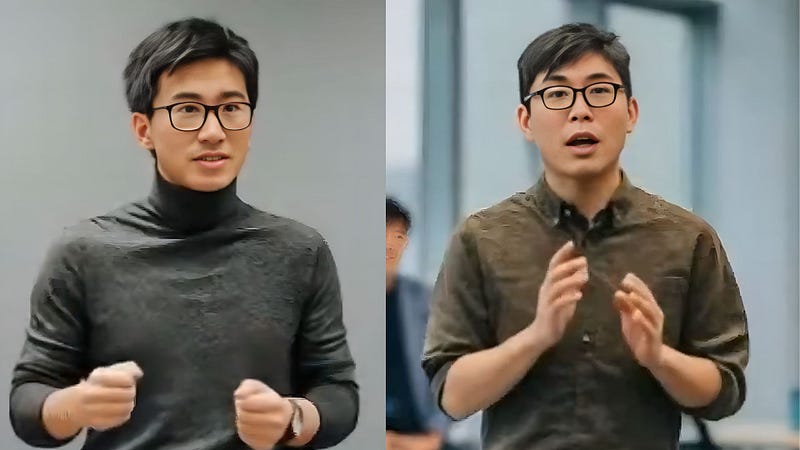
AI is moving from simple image deepfakes to videos.
No, I am not talking about swapping faces like the typical deepfake videos we’ve seen before—it’s something far more intriguing and potentially unsettling.
Today, Google released a research paper detailing a novel framework called VLOGGER that lets you generate a video of a human vlogger using only an audio clip and a single image as input.
If you thought deepfakes were scary, this takes the use of AI technology to a whole new level.
What is VLOGGER?
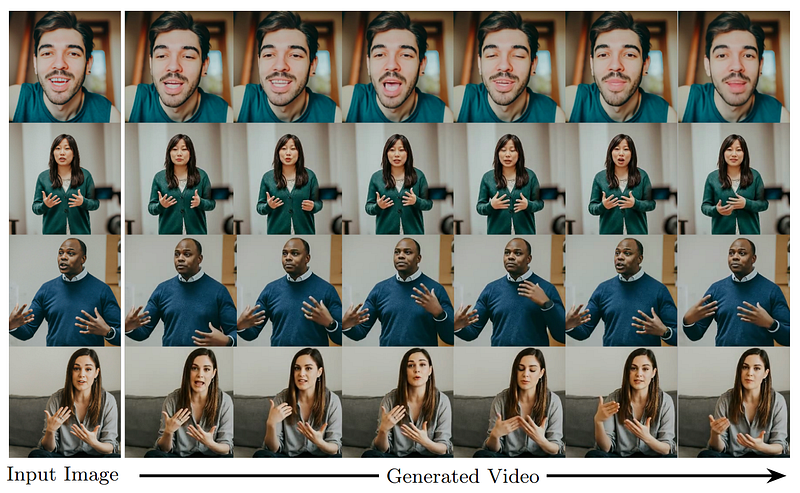
VLOGGER uses a multimodal diffusion technique to synthesize humans from audio. It can generate photorealistic videos of a person talking with realistic head movements, facial expressions, gazes, and even hand gestures.
Here’s an example:
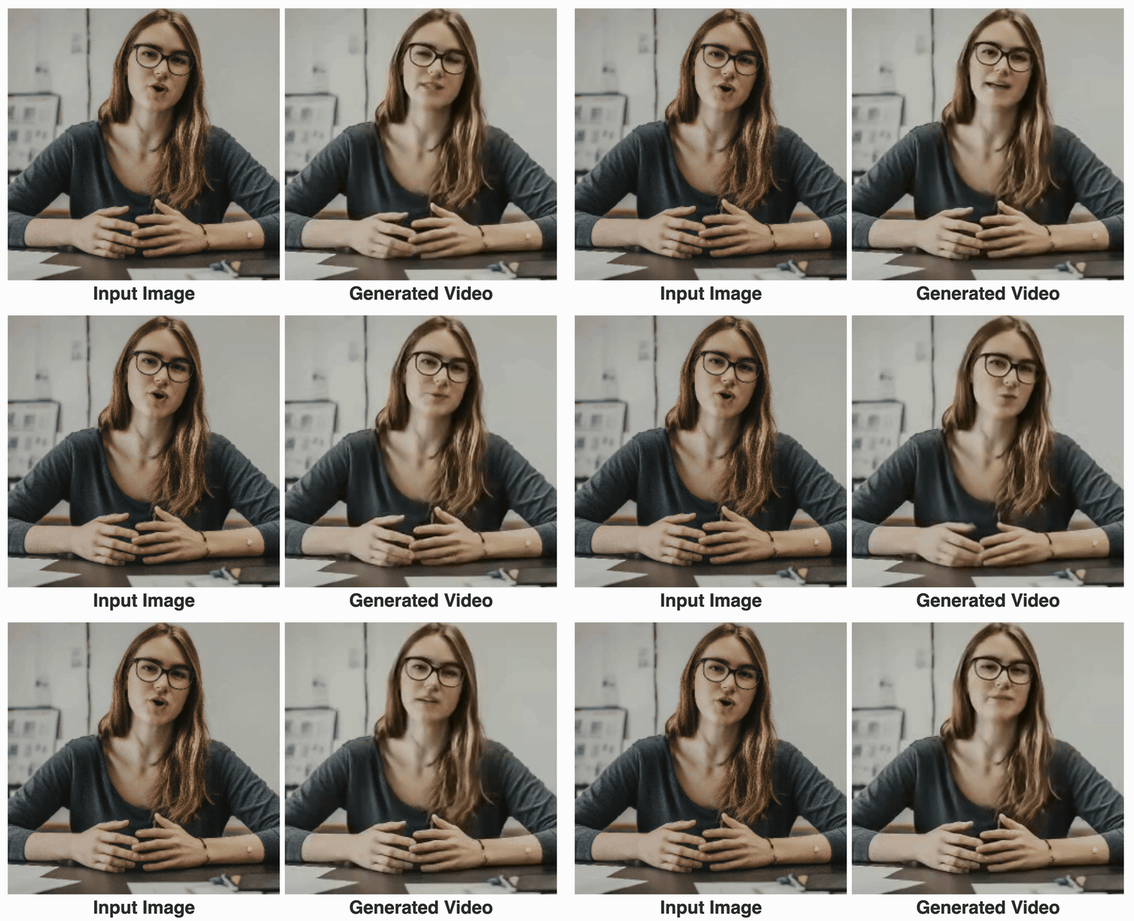
The AI model can also edit existing video content, with the ability to change a subject’s facial expressions.
While it’s unlikely that this AI model will completely replace YouTubers and other content creators, it could mark an interesting evolution in the vlogging industry.
How VLOGGER Works
How the heck does the AI manage to synthesize a realistic human video?
This research paper dives into the technical details, but in simple terms, it uses a two-stage diffusion model.
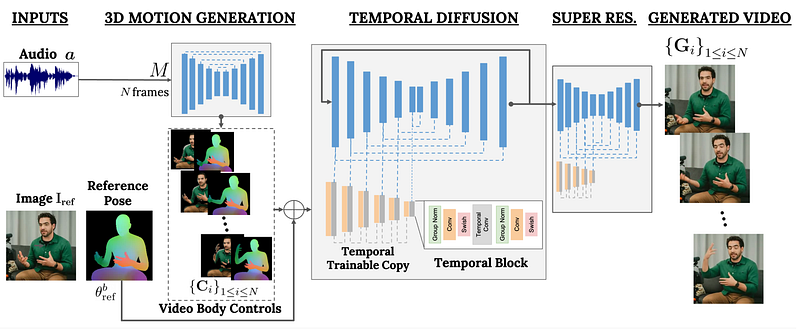
The first part predicts the person’s 3D head and body motion just from the audio. Then the second part translates that into photorealistic frames of video, taking the 3D motion and an image of the person as input.
Some AI magic happens in between, and in the end, you'll get a surprisingly convincing fake vlog.
More Example Videos
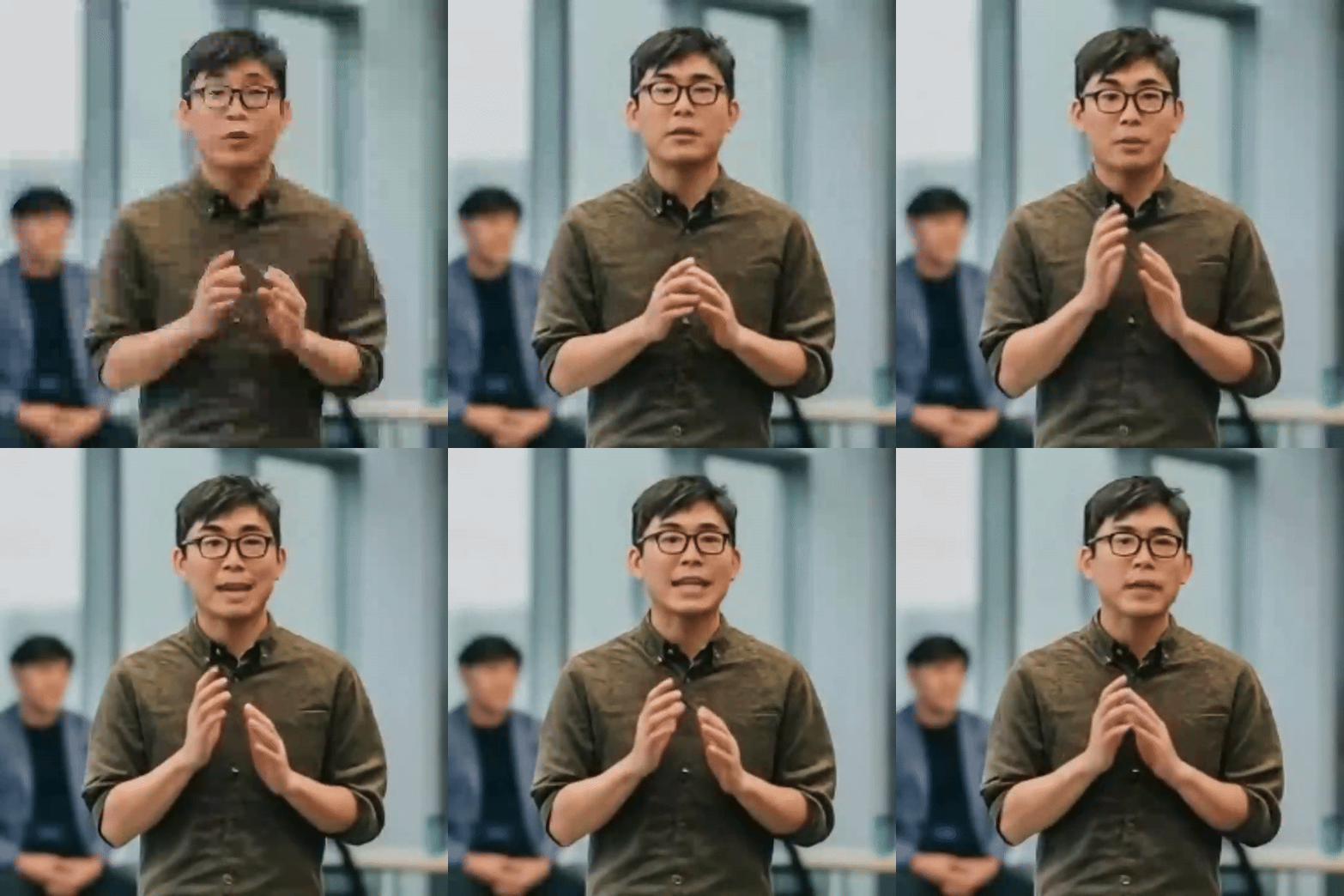
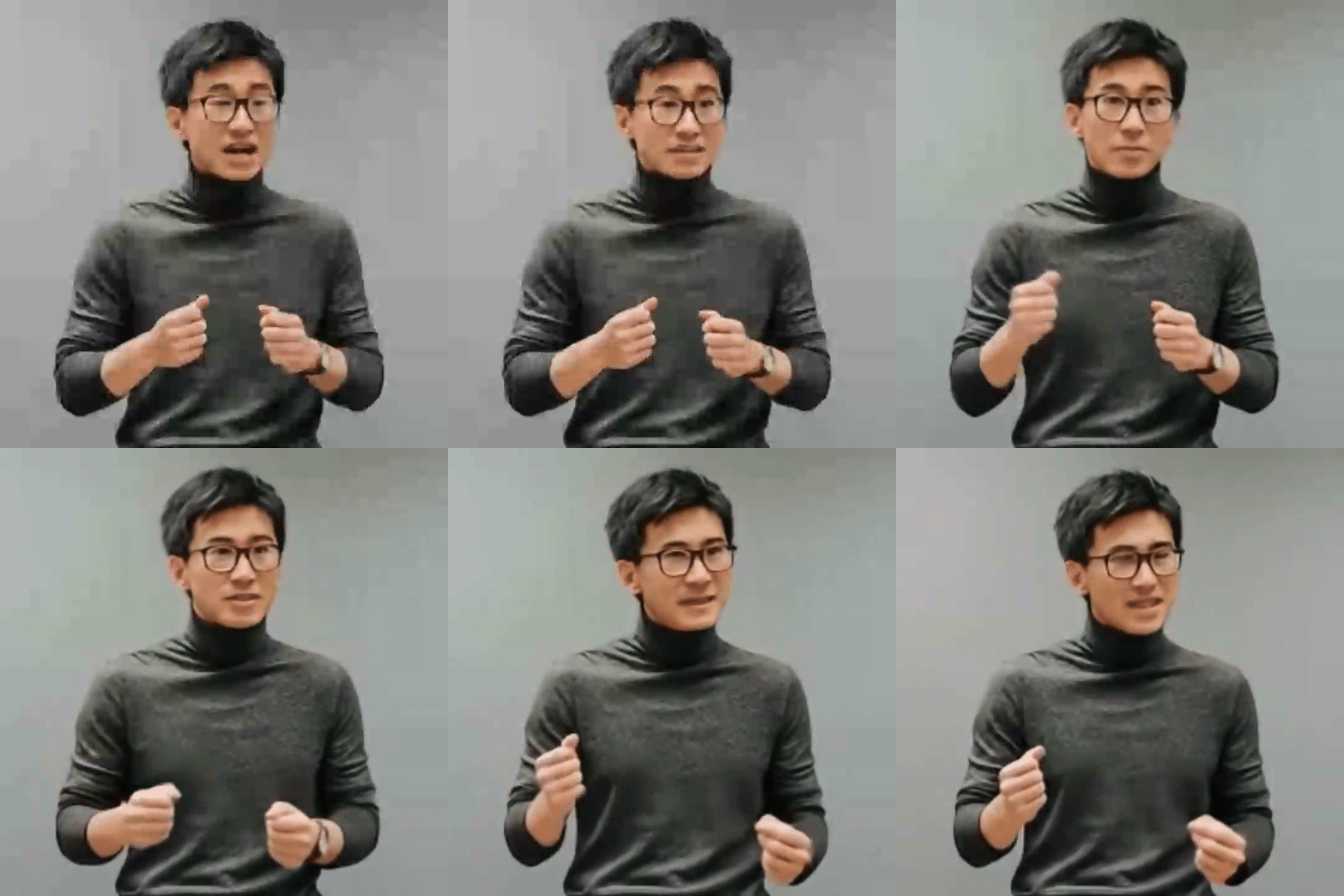
Here are some of the example videos synthesized by VLOGGER.
Let’s Talk About The Quality
Okay, let’s be real—these VLOGGER videos are super creepy. I get that the tech is super impressive and all, but the end result? Major uncanny valley vibes.
The lip-syncing is pretty rough. It’s like watching a badly dubbed movie or something. The facial expressions and head movements can be a bit awkward at times too. It’s not horrible, but it definitely doesn’t feel completely natural.
And then there are the hands. They just look kind of stiff and clunky, like they’re not quite sure what they’re supposed to be doing. It’s a little distracting, to be honest.
Overall, the videos have this sort of artificial vibe to them. You can tell they’re generated by an AI.
Video Language Translation
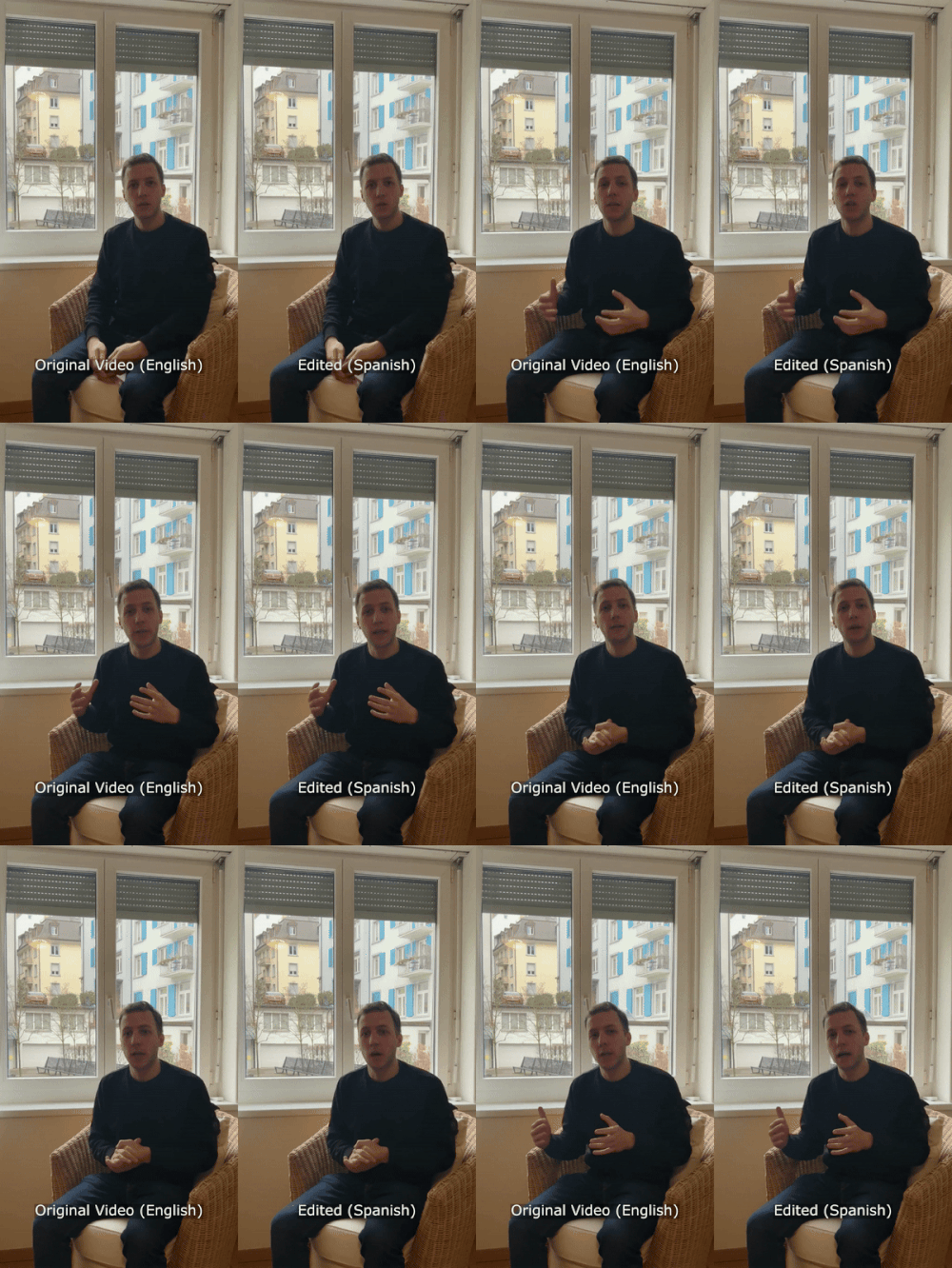
Another cool thing about VLOGGER is how it can be used for video language translation. Let’s say you have a video of someone talking in English, but you need it in Spanish. Usually, that would mean a lot of work—you'd have to film the whole thing again with a Spanish speaker and try to get the timing and expressions right. It’s a big hassle.
But with VLOGGER, you don’t have to do all that. You just give it the original English video and the Spanish audio, and it automatically changes the lip movements and facial expressions to match the new language.
That’s a very interesting use case.
The Future of Vlogging
So what does this mean for the future of vlogging?
On one hand, this technology could be a powerful tool for creators, allowing them to generate vlogs quickly without having to be on camera themselves. You could have an AI avatar that looks and sounds like you, pumping out content for your channel 24/7. It could also enable new forms of virtual personalities and digital human ambassadors for brands.
But of course, there are huge risks too if this technology becomes widely available. It would make it incredibly easy to create fake videos of real people saying or doing things they never did. Those videos could be used to spread misinformation, commit fraud, harass people, or manipulate elections. Once any audio clip can be turned into a photorealistic fake video, it becomes very difficult to trust anything you see.
Is It Safe?
I have to wonder if Google has really thought through the Pandora’s box they may be opening here.
To their credit, the researchers do discuss the ethical considerations in the paper. They claim they put safeguards in place during the development and training process to mitigate potential misuse and will not be releasing the model publicly.
But as we’ve seen with other AI systems, once the core research is out there, it’s very difficult to control how it gets used. Other groups could replicate the technology and release their own versions without taking the same precautions. And even if Google keeps a tight leash on it, the fact that a tool like this is possible at all should make us very cautious about trusting any video evidence moving forward.
Imagine feeding the AI tool with a photo of any person, feeding it scandalous audio, and AI would synthesize a fake video of that person.
Final Thoughts
TLDR — the VLOGGER technology is an impressive tech, but the end result is still deep in the uncanny valley.
Give it time, though, and who knows how far this crazy AI stuff will go?
I’m also deeply concerned about how it could be abused and the further erosion of trust it could cause in our already troubled information ecosystem.
For now, my advice would be to maintain a healthy skepticism of any vlog-style videos you come across online, especially ones about contentious topics. If something seems to be true, there’s a decent chance it could be an AI fake, as unsettling as that thought may be.
One thing is for sure: the age of synthetic media is upon us, and we’re going to have to grapple with some thorny social, legal, and ethical questions as a result.

This story is published on Generative AI. Connect with us on LinkedIn and follow Zeniteq to stay in the loop with the latest AI stories. Let’s shape the future of AI together!