
Good Reasons To Stop Dreading Old Age — And What To Look Forward To
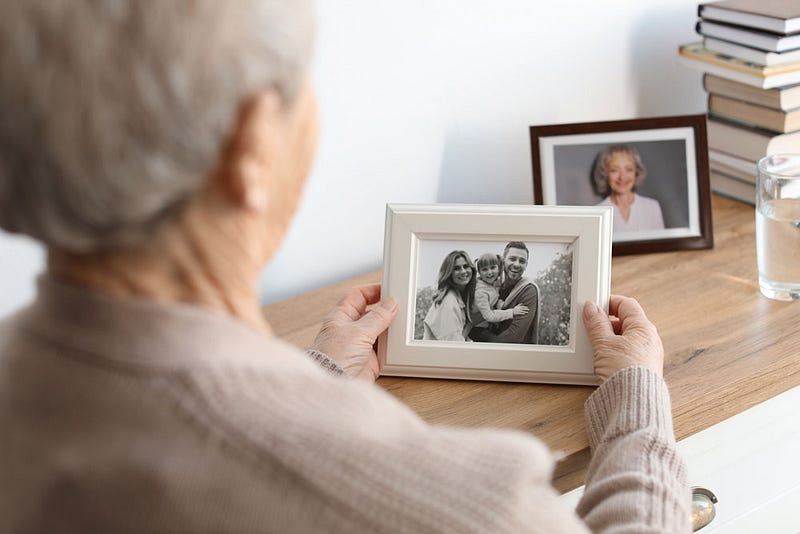
Old age has a bad rap so I want to set the record straight. I asked people who came to my Facebook page what they dreaded most about old age. I was surprised by the huge number of responses. And they shared many different reasons for their fears.
As a psychotherapist, I know that everyone has fears about getting old — though they may not talk about it. Part of my role is to talk frankly about aging issues, not to be in denial. Yet most of us need to revise our image of old age and learn how old age has changed dramatically in the last few decades.
The top three reasons why my readers dread growing old are:
- loss of independence
- losing their memory
- experiencing pain and suffering
Other reasons they dread aging include loss of mobility, dying alone, loss of desirability, life in a nursing home, decrepitude, not being able to make ends meet and not seeing the grandkids grow up. These are serious, valid concerns but I am going to talk about the big three fears today and write about the other concerns in future blogs. These can be difficult fears to admit so I was happy when someone leavened the conversation like Tim Ledgerwood who made me laugh with his reply, “I dread growing old because when you are old everything is bad for you except kale and water.” and Stanley Harris who contends, “I was taught by NUNS in the 1950’s I FEAR NOTHING!”
Independence
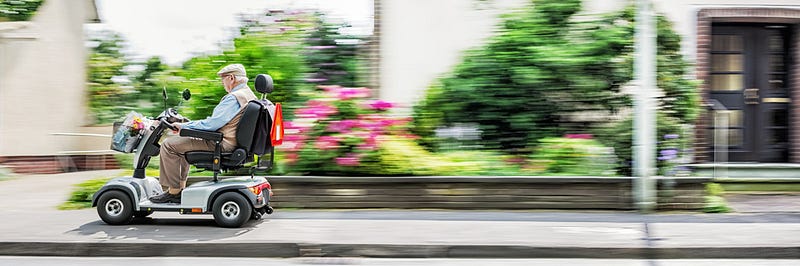
I am going to start by addressing our fear of losing our independence. As Sue Cornwall notes, her greatest fear is, “being a burden to someone.” We Americans tend to idolize the strong, independent cowboy, the lone Ranger and the self-made person. We think becoming dependent on others means we are weak. It means we have lost our worth. We tend to forget that no one makes it on their own. We all stand on the shoulders of others. And if we are lucky and we get to grow old, then it is natural that we may need more help.
Our fear of being dependent plays out in ways that can be harmful. We cling to living alone in our houses far longer that common sense dictates. Moving into a condo for seniors, a smaller apartment or a retirement community feels like a failure.
What most of us don’t get is that social isolation is not good for our health. We are social animals. I like to say that the opposite of independence is not being dependent, it is community. It is a sign of wisdom to get help from others when you need it. For eightysomethings, it is our turn to be taken care of when we need that. Most of us have cared for others our whole lives.
Memory
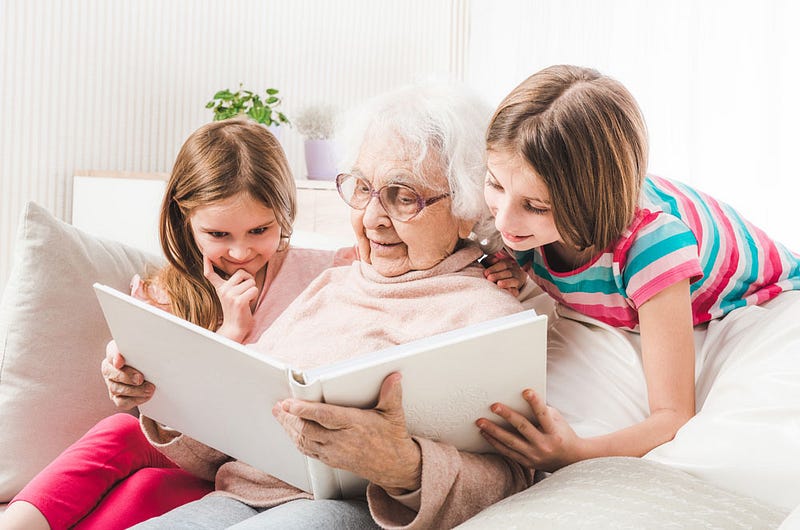
Missy Goulet sums up many people’s concerns, “I am blessed with a logical mind and a good memory and I dread the day that I can’t remember something or have difficulty solving a problem.” Of course, that is understandable because there are, in fact, a significant number of older people who get Alzheimer’s and other forms of dementia. So let’s look at some numbers. One in seven, or 13.9 percent of Americans over 70, have some form of dementia. And the numbers go up when you are over eighty.
But there is also some good news. The rate of dementia is falling in the last forty years. People over 80 have a 32% lower risk of getting dementia than their neighbors did four decades earlier according to recent research. And not everyone with Alzheimer’s is miserable. The majority of cognitively impaired years are happy ones, according to Anthony Bardo who researches health disparities at Duke University.
Pain and Suffering
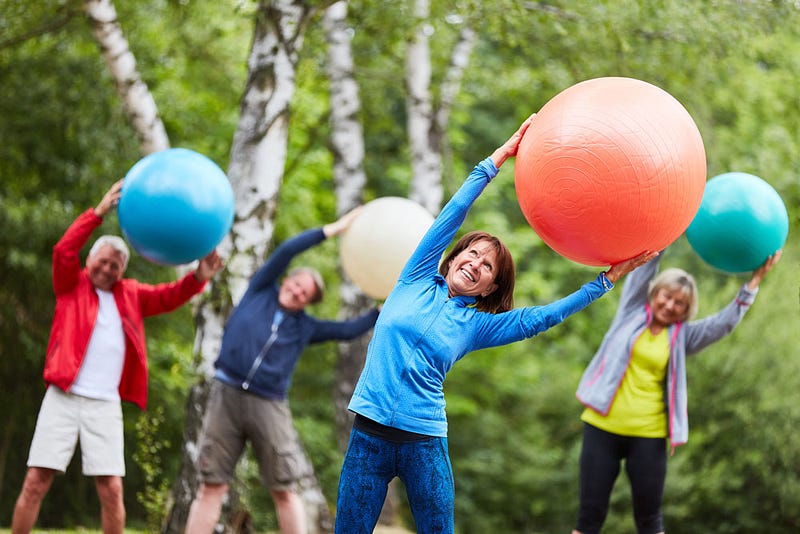
What about pain and suffering? The short answer is that modern medicine has changed everything. Today we have dozens of ways to relieve pain from Advil and Tylenol to opioids and marijuana. We can cure all sorts of diseases with powerful drugs of all kinds. Then we have meditation and acupuncture and other holistic methodologies that help with the pain. Today many eightysomethings are pain-free and active. Most of us will be able to manage any pain we have right up to the very last days of our life. And the statistics suggest that you will probably live far longer than you ever expected. This is because life expectancy increased by 30 years in the 20th century.
Chronic illness can color everything. As 56-year-old Timothy Symonds-LaFleur notes, his Parkinson’s disease leaves him sometimes projecting his own long-suffering and painful death. But he’s not inclined to dwell there, showing you can have input into how you view your situation. “Valerie Harper is one of my heroes. I look to her example to live every moment fully. Specifically, I don’t go to the funeral until the day of the funeral.”
Happiness
I want to conclude by suggesting a few things we can look forward to as we age and, particularly, as we age into our eighties. Laura Carstensen, Professor of Psychology at the Center for Longevity at Stanford has conducted many studies on the topic of happiness. She has found that people in their eighties are happier than others. They are happier than people in their 60’s or 70’s as well as happier than middle-aged people or younger people. My own research confirms her findings. Many of the 128 people I interviewed for my book told me they were happier than they had ever been in their lives. This fact, which seems so counterintuitive, has been called the paradox of aging.
Other studies about the aging brain have found that older people report as many positive emotions as younger people, but far fewer negative ones. Old people feel less stressed, worried and angry than younger people. Think about that for a minute.
While there are real issues, concerns and losses as we age, we need to understand that old age is not what it used to be. There is much to look forward to. I know this personally — I can honestly say I am as happy at 85 as I have ever been. Perhaps it is just knowing my future is so shortened that it makes me able to savor the time I have.
It’s encouraging to know GenXers like Anna Garcia Lucas are adopting a positive outlook, “I’m 54 and am def not afraid of growing old. I embrace everything about it and will continue on with grace and humor and a little bit of smartassiness.”
Looking for more from Dr. Katharine Esty? Sign up on her website for her bi-weekly newsletters.
#aging #agingwell #eightysomethings #unexpectedhappiness #giftsofaging #health #80s