avatarElizabeth Emerald

Free AI web copilot to create summaries, insights and extended knowledge, download it at here

1998

Abstract

ing as to comparing the relative cons of paper versus plastic; my purpose is not to advocate for plastic bags, but rather to make clear paper bags are not an environmental panacea.</i></p><p id="c3b8"><i>Clearly, cloth bags are the way to go. Some stores charge a nickel per paper (or plastic) bag, in the hope that people will decline them in favor of their own reusable totes. Not happening.</i></p><div id="15c0" class="link-block"> <a href="http://www.ecolife.com/recycling/paper/how-to-recycle-paper-bags.html"> <div> <div> <h2>How to Recycle Paper Bags</h2> <div><h3>Paper or plastic? It's a question Americans are asked all of the time when standing in the check-out line of the…</h3></div> <div><p>www.ecolife.com</p></div> </div> <div> <div style="background-image: url(https://miro.readmedium.com/v2/resize:fit:320/0*Rznkt3l7obNPIlVh)"></div> </div> </div> </a> </div><p id="4aba">… most environmentalists will tell you that, surprisingly, plastic bags are better for the planet. These statistics tell the story:</p><p id="40ae">Making paper bags requires nearly double that of making plastic bags, though paper bags are compostable and plastic bags are not.</p><p id="ac81">Paper bags are made from renewable resources, unlike plastic bags which are made from non-renewable petroleum byproducts. Plus producing paper bags results in more than three times as much greenhouse gas emissions compared to plastic bag production.</p><p id="1a71">Plastic shopping bags result in up to 80% less solid waste than paper bags. They also generate smaller quantities of air pollution.</p><p id="1eb8">Since paper bags are so much worse for the environment, let’s find ways to reduce our dependence on them: Take reusable bags with you on all shopping trips — from groceries, new clothes, or to the bookstore.</p><div id="5d5a" cl

Options

ass="link-block"> <a href="https://abcnews.go.com/Technology/story?id=97476&amp;page=1"> <div> <div> <h2>Paper or Plastic? Just the Facts</h2> <div><h3>-- There's been an ongoing debate about whether paper or plastic is the better choice for the environment. Here's a…</h3></div> <div><p>abcnews.go.com</p></div> </div> <div> <div style="background-image: url(https://miro.readmedium.com/v2/resize:fit:320/)"></div> </div> </div> </a> </div><p id="2165">According to the Grocery Industry Committee on Solid Waste, less than 1 percent of shoppers consistently use cloth shopping bags.</p><p id="50fd">Stores usually pay less than a penny per plastic shopping bag, and 3 to 4 cents per paper shopping bag.</p><p id="bd5b">Plastic grocery bags consume 40 percent less energy to produce and generate 80 percent less solid waste than paper bags.</p><p id="e4b8">Two thousand plastic bags weigh 30 pounds, 2,000 paper bags weigh 280 pounds.</p><p id="14b6"><a href="https://lisbdnet.com/how-long-does-it-take-for-a-paper-bag-to-decompose-2/">how long does it take for a paper bag to decompose — Lisbdnet.com</a></p><p id="1a63">A paper bag in the right conditions can decompose in around 6 to 8 weeks. With only 20% of paper bags recycled, 80% of paper bags still end up buried in landfill where they don’t have the conditions to degrade and so remain intact for decades.</p><p id="e7f1"><a href="https://lisbdnet.com/how-to-reuse-paper-bags/">how to reuse paper bags — Lisbdnet.com</a></p><h2 id="5455">How many times can you reuse a paper bag?</h2><p id="131d">paper bags should be used three times; low-density polyethylene bags (the thicker plastic bags commonly used in supermarkets) should be used four times; non-woven polypropylene bags should be used 11 times; and. cotton bags should be used 131 times.</p></article></body>

Good Intentions Gone Amok

Inundated by paper bags: three strikes and they’re out
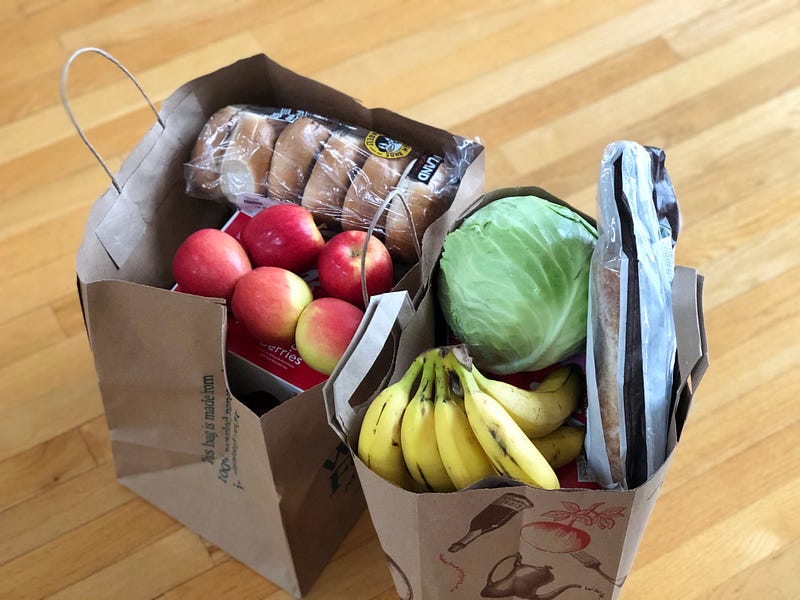
Photo by Maria Lin Kim on Unsplash

My garage is a phantom jungle, rife with the essence of erstwhile trees.

Bags within bags within bags within …

Russian paper dolls.

Two years ago, under long-standing political pressure, our city and those abutting banned plastic bags. It was ironic that mere months after the ordinance was passed plastic bags made a comeback — during the reign of Corona, customers were forbidden to bring their reusable sacks, such as had long been encouraged.

As of four months ago, the plastic ban was reinstated. Stores offered paper bags with flimsy handles. Thus, customers often requested that the bags be doubled.

As to it being preferable to use canvas totes, point taken. Alas, many of us repeatedly forget to do so. (Big wave: hello!)

As to taking along paper bags from the prior week’s shopping trip … ditto above. Regardless, it is recommended that paper bags not be reused more than three times.

I’ve held on to my stash with the intention of donating them, pending logistics of transport — the food pantry where I work will accept them, provided they are clean. However, most organizations will accept only bags that are pristine — which renders donation efforts moot.

Also moot is that paper bags are compostable. About 80% percent of all paper bags end up in landfills and thus do not biodegrade for decades.

As to the notes below: I confess to cherry-picking as to comparing the relative cons of paper versus plastic; my purpose is not to advocate for plastic bags, but rather to make clear paper bags are not an environmental panacea.

Clearly, cloth bags are the way to go. Some stores charge a nickel per paper (or plastic) bag, in the hope that people will decline them in favor of their own reusable totes. Not happening.

… most environmentalists will tell you that, surprisingly, plastic bags are better for the planet. These statistics tell the story:

Making paper bags requires nearly double that of making plastic bags, though paper bags are compostable and plastic bags are not.

Paper bags are made from renewable resources, unlike plastic bags which are made from non-renewable petroleum byproducts. Plus producing paper bags results in more than three times as much greenhouse gas emissions compared to plastic bag production.

Plastic shopping bags result in up to 80% less solid waste than paper bags. They also generate smaller quantities of air pollution.

Since paper bags are so much worse for the environment, let’s find ways to reduce our dependence on them: Take reusable bags with you on all shopping trips — from groceries, new clothes, or to the bookstore.

According to the Grocery Industry Committee on Solid Waste, less than 1 percent of shoppers consistently use cloth shopping bags.

Stores usually pay less than a penny per plastic shopping bag, and 3 to 4 cents per paper shopping bag.

Plastic grocery bags consume 40 percent less energy to produce and generate 80 percent less solid waste than paper bags.

Two thousand plastic bags weigh 30 pounds, 2,000 paper bags weigh 280 pounds.

how long does it take for a paper bag to decompose — Lisbdnet.com

A paper bag in the right conditions can decompose in around 6 to 8 weeks. With only 20% of paper bags recycled, 80% of paper bags still end up buried in landfill where they don’t have the conditions to degrade and so remain intact for decades.

how to reuse paper bags — Lisbdnet.com

How many times can you reuse a paper bag?

paper bags should be used three times; low-density polyethylene bags (the thicker plastic bags commonly used in supermarkets) should be used four times; non-woven polypropylene bags should be used 11 times; and. cotton bags should be used 131 times.

Environment
Recycling
Paper
Plastic
The Bad Influence
Recommended from ReadMedium