
Good Deeds Won’t Save You
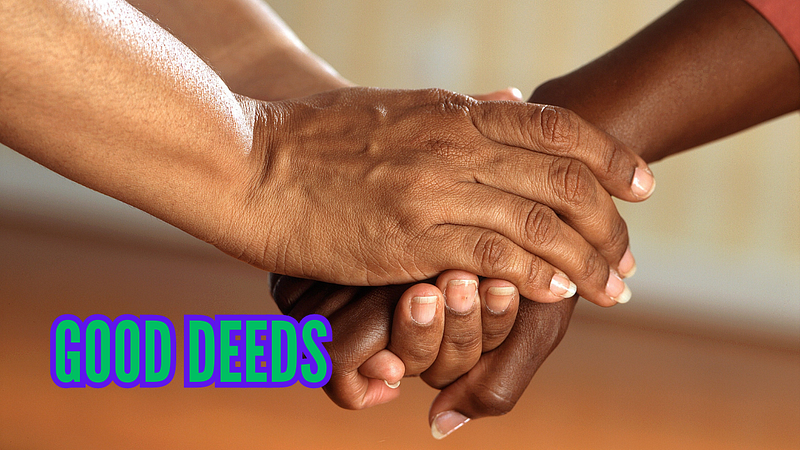
One of the biggest lies we’ve been told is that we can balance out our terrible actions. That no matter what we’ve done or who we may have hurt in the past, can be redeemed by doing good.
For example, a husband who cheats, but buys his wife presents because he feels guilty. So what? He hasn’t changed as a person. His heart is still the same, full of lust, entitlement, disrespect, and selfishness.
Look at the public figures who are caught doing the most heinous crimes, which would end anyone else’s career. However, since they were excellent playing pretend or won us the game, or gave to charity, they are forgiven.
They make us feel good, so who they are as a person is irrelevant. As long as they make us feel good, the damage they’ve done is overlooked. That may work with us, but it’s definitely not going to work with God.
You know what those people are like? They’re like unhealthy food, like drugs. We know they damage our bodies; however, they make us feel good. So, it matters little if they are stealing time from us; if they keep us distracted and stuck in the same dark place away from God’s light.
God knows who they are, what we are. So, you can act good all you want, but are you? We need a savior; we cannot work for our salvation. That’s why the criminal on the cross next to Jesus was able to enter heaven. And those who followed God’s laws (within their own sense of righteousness) but thought themselves superiors to others were denied entrance.
You think you’re going to heaven because you’re a christian? Then let me ask you this question: How do you treat those who don’t belong to your race or social status? Those who you disagree with and can’t relate to. It’s easy to act christian-like to those who you deem worthy. But you forget that God deems all of us worthy.
If you are like that, what do you think is in your heart? What are you going to say when you meet Jesus? You know you were bad to everyone else, but to your own you went the extra-mile and just hope that things balance out.
Anyone can take care of their house. It’s their house. But can you take care of someone else’s house?
You’re not as good as you think you are, no matter how much good you do, according to Man’s perception of good.
If you’re a doctor who saves 9 lives a day but like to murder 1 person every 2 weeks, can you really consider yourself worthy of God’s kingdom?
Or if you were a criminal in your past, but now that you’ve made the money, you no longer need to be involved in that lifestyle, and went on to inspire millions of people to do good, do you think you’re okay now?
What about the victims? You never confessed; you never owned your mistakes. The public doesn’t know the truth about you.
You may regret what you’ve done, but once again you’re taking matters into your own hands. You think since you’ve committed the crime, then you should pay for the crime according to your own sense of justice. Which involves you not going to jail or actually suffer any repercussions that you are not willing to go through. Keeping you safe and in control.
You’re not in control. Only God is. Only God can dictate how you’re going to pay for your inequities, not you.
God can and will forgive you of everything you’ve done, but you must confess, you must repent. You have to show Him that you fear what He can do to you, much more than what Man can do to you.
You’re going to die; you know God’s real. What are you waiting for?
We’re all stuck in this stupid illusion that people have more weight than God. How can they? And so, we sacrifice our eternal soul for temporary matters.
Our good deeds are meaningless. God doesn’t take bribes. Stop hiding yourself. We all must pay for what we’ve done.
One day we’ll look back and realize we could’ve avoided a lot of our future problems if we had paid for our mistakes back when. But since we got away with it, we never learned our lesson. We never saw any need for change.
However, God knows who we are in our hearts. And He punishes those who He knows He can save. Those who get away with it, is because He’ll use their evil for good. And when they die, they will be surrounded by evil for good.
But you can always take the initiative and show Him you wish to change. God may have forsaken you… However, are you going to forsake yourself?


