memories of the North Cascades
Go To the Mountains and Refresh your Spirit
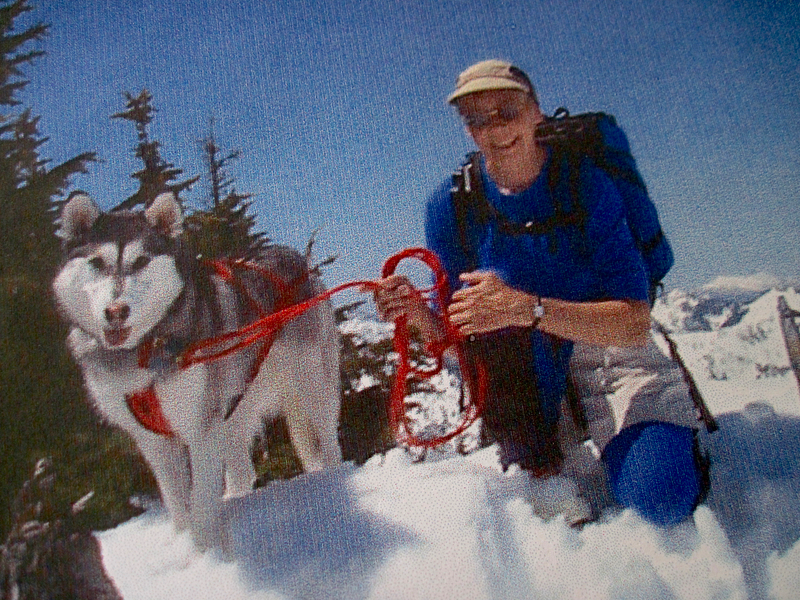
Mountains are big. They attract our attention. They dominate a landscape. It is difficult to ignore them. Their beauty enchants us. Poets write about their majesty. Paintings try to capture their grandeur. One cannot resist taking a photo. Many cultures feel they are spiritual, a place to get closer to God.
I have climbed in the European Alps, in Mt. Cook National Park, New Zealand, and most well known peaks in America. But I want to take you to a very special place. I had the privilege to live and play there for six years. It is the North Cascades of Washington State.
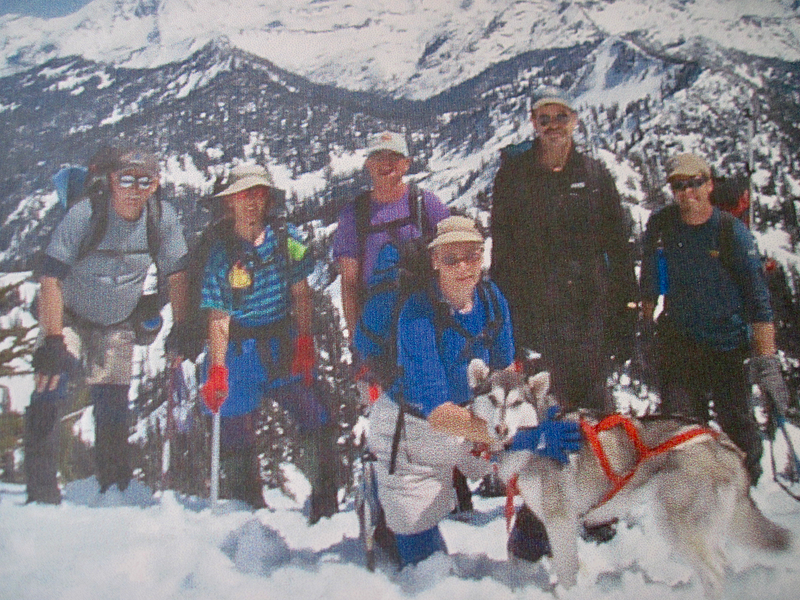
Beware. They are not gentle giants. Hiking trails or climbing to reach summits can put you at risk. Hazards exist in many forms. Displaced rocks or ice can inflict injury. Recent snowfalls can precipitate avalanches. You can trip on tree roots. Loose rocks can make you slip. Dangerous crevasses on glaciers wait for your inattention.
You can suffer from altitude sickness above 8,000 feet. Mountains attract bad weather. Air currents are forced to rise over those barriers. As air moves upward it cools. Humidity increases. Clouds form and rain can develop. You can experience whiteouts, temperature changes, thunder storms and lightning.
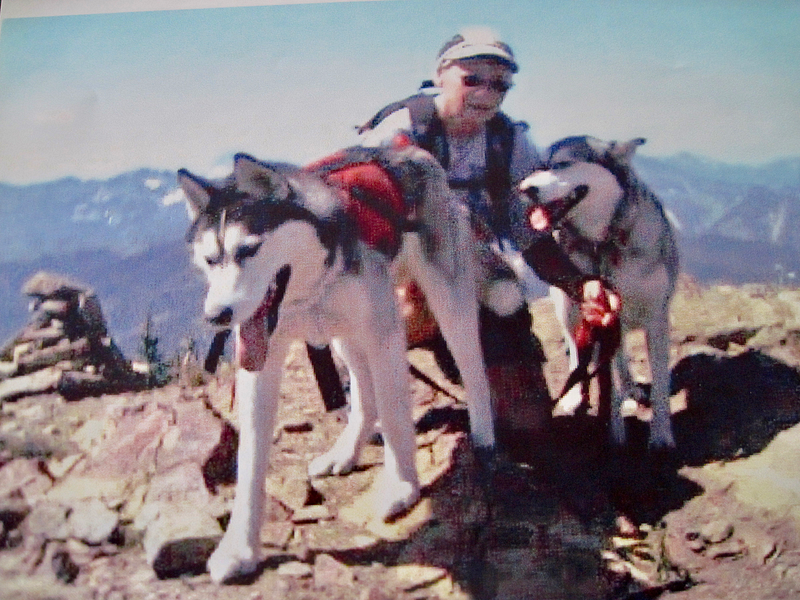
With proper training mountains promise adventure and challenge. Nature’s ultimate playground can test your skills and fortitude. The physical setting can boost your self esteem. Excelling in the sport of mountaineering gave me confidence. I knew I could handle anything life threw at me.
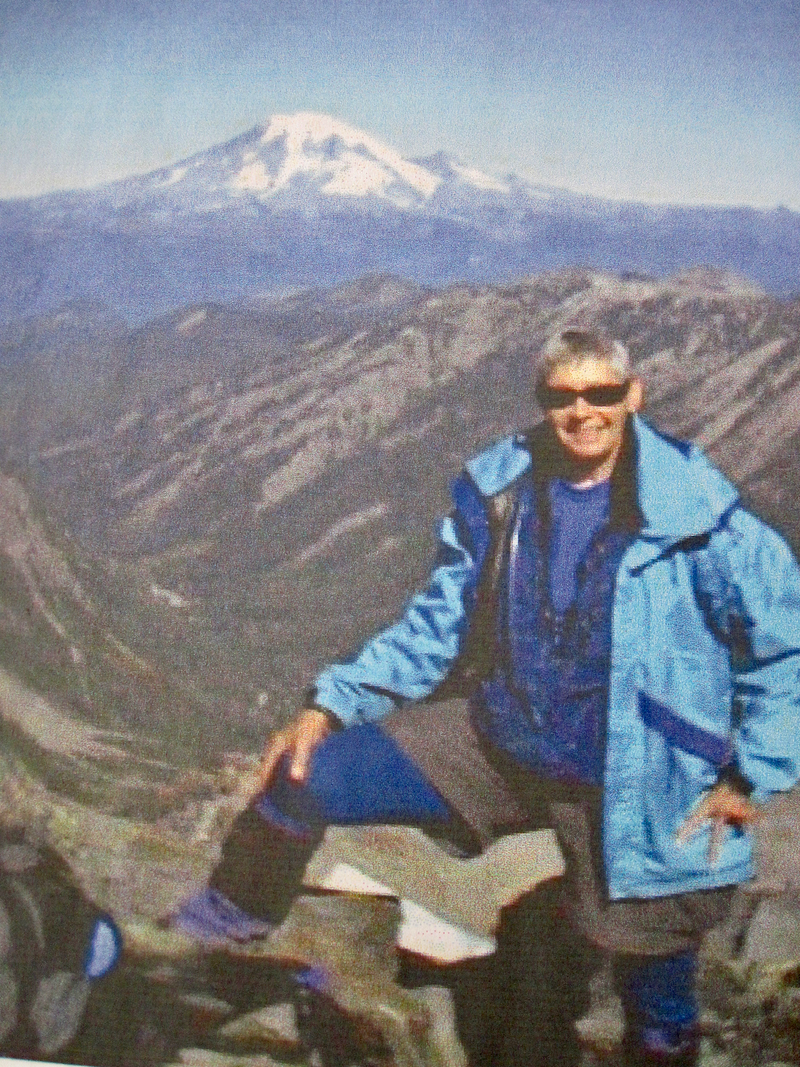
Shifting plate tectonics create three types of mountains. They are volcanic, fold or block formations.
Hot magma forced through the earth’s surface forms volcanic peaks. Mt. St. Helens in Washington is an example.
Fold mountains happen when two tectonic plates collide. The resulting seam thickens. The less dense crust floats over the denser mantle and propels upward. This process forms hills, plateaus or mountains. The Appalachians of the Eastern states illustrate this.
Block mountains are formed when rocks move past one another in a seam on the earth’s crust. Uplifted blocks are horsts. Dropped blocks are graben. You can see this effect in the Black Forest of Germany. There are Vindhya and Satpura horsts in India.
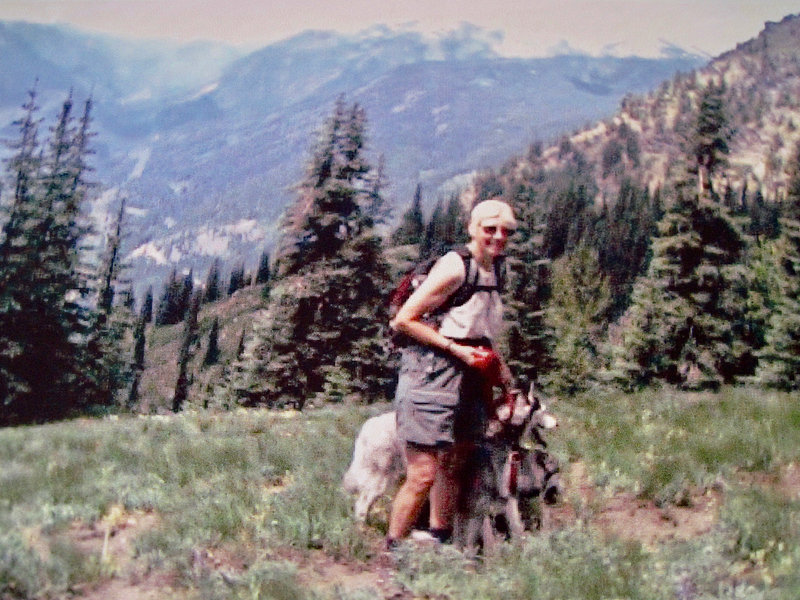
The final way mountains form is through erosion by wind, water, ice or gravity. This produces the characteristic shapes of pyramidal peaks, knife-edge aretes, and bowl-shaped cirques. The Catskills of New York State are eroded plateaus.
The North Cascades consist of ocean sediments, basalt and parts of the sub coastal mantle. The movement of the plates melded these components together.
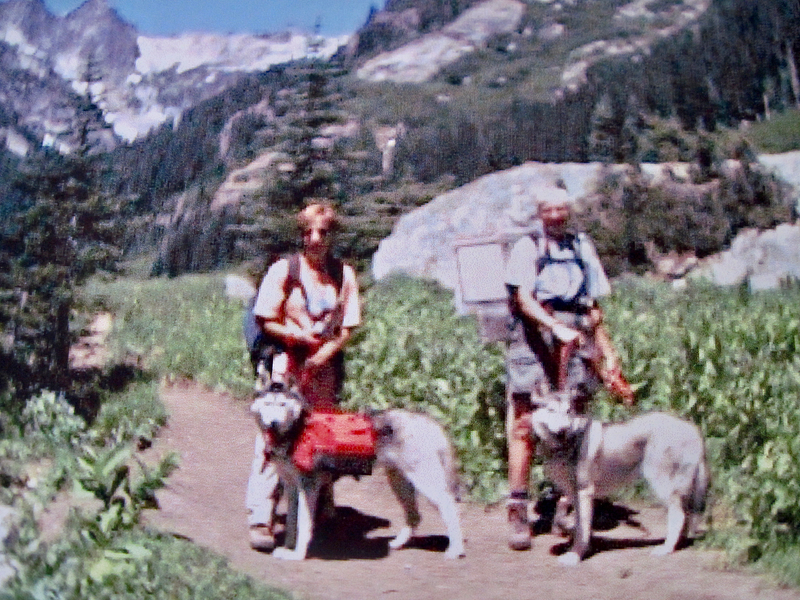
I spent my days off from work either hiking alone with Chan Teh or going with my Ranger friend, Gail, and our dogs. The two of us are mountaineers. She also fosters huskies, caring for them until they’re adopted.
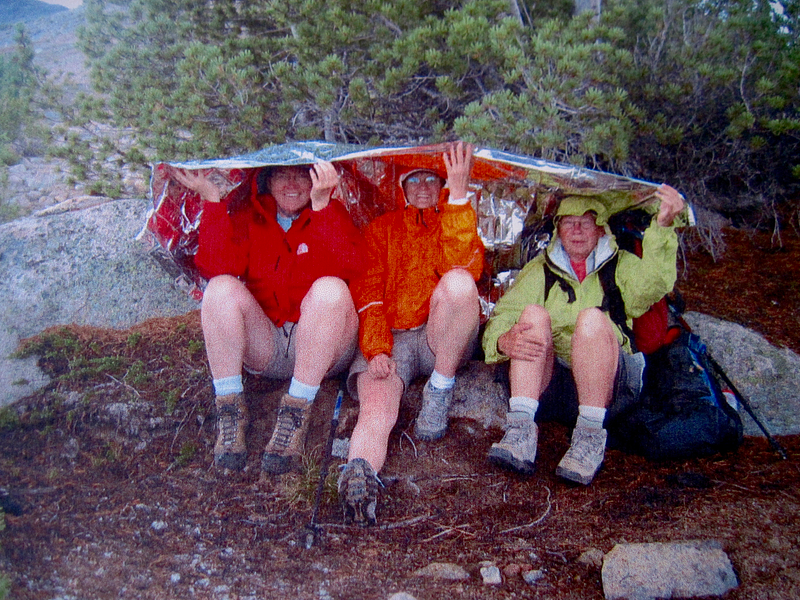
As I mentioned before, mountains can attract bad weather. Three of us shelter under an emergency blanket during an unexpected rain storm. We waited until it ceased, then returned to our camp. The goal of surmounting a peak abandoned for that day.
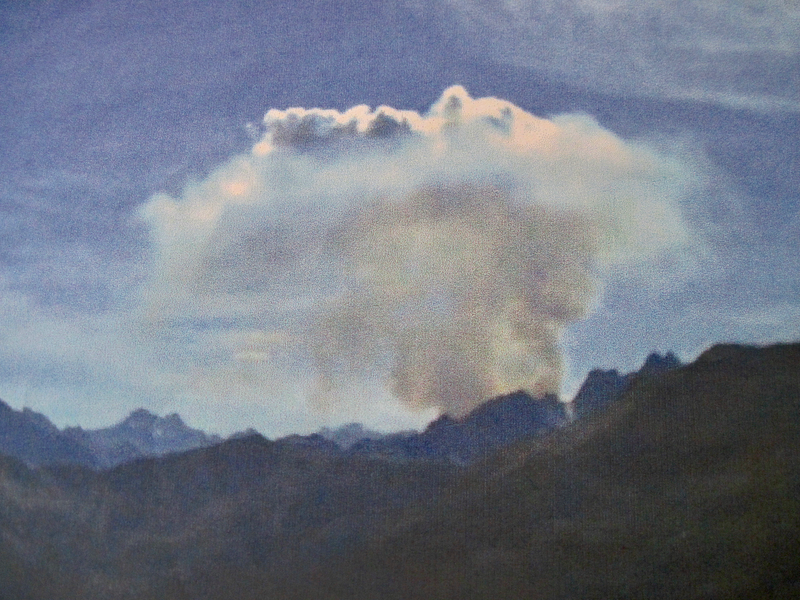
Wildfires are a real danger in the mountains. My dog and I were hiking alone on the Pacific Crest Trail when we noticed this plume of smoke. Gusting winds had ignited coals put out the day before. I ran to my parked car before live embers could start flames around us. A group of horseback riders were also trying to escape imminent danger.
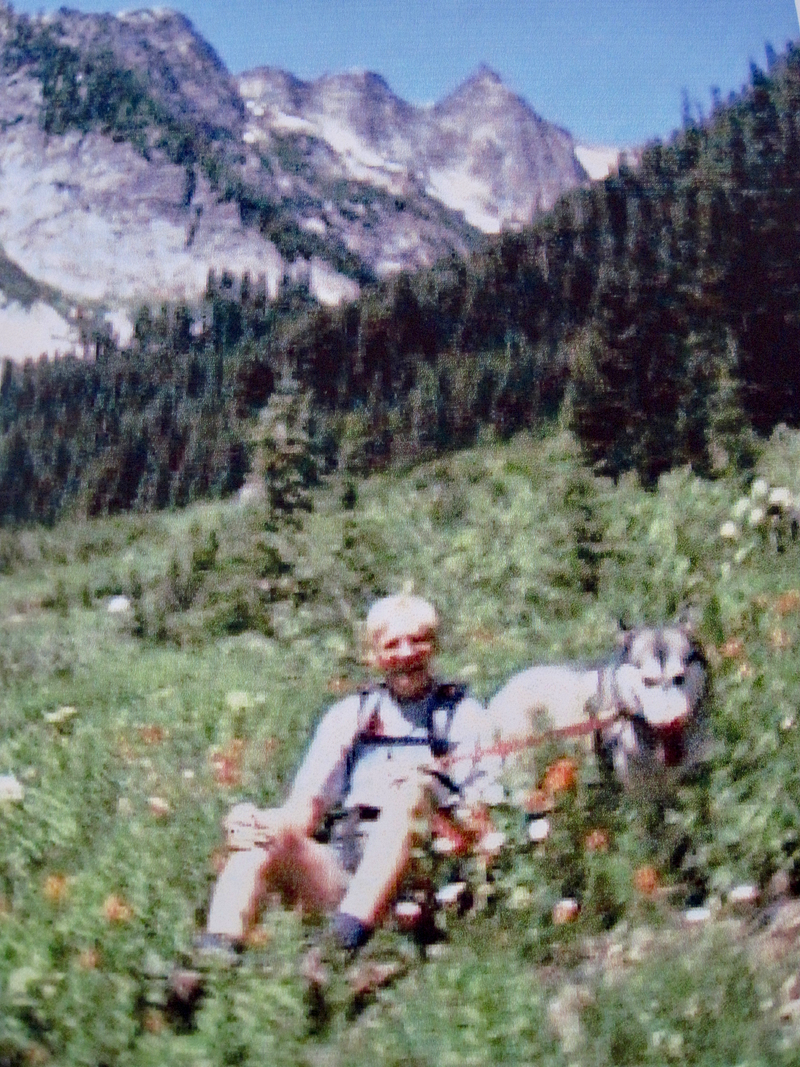
Mountain meadows are beautiful with plenty of wildflowers. They can take your breath away. I’m sitting amongst some in a place known as Spider Meadow.
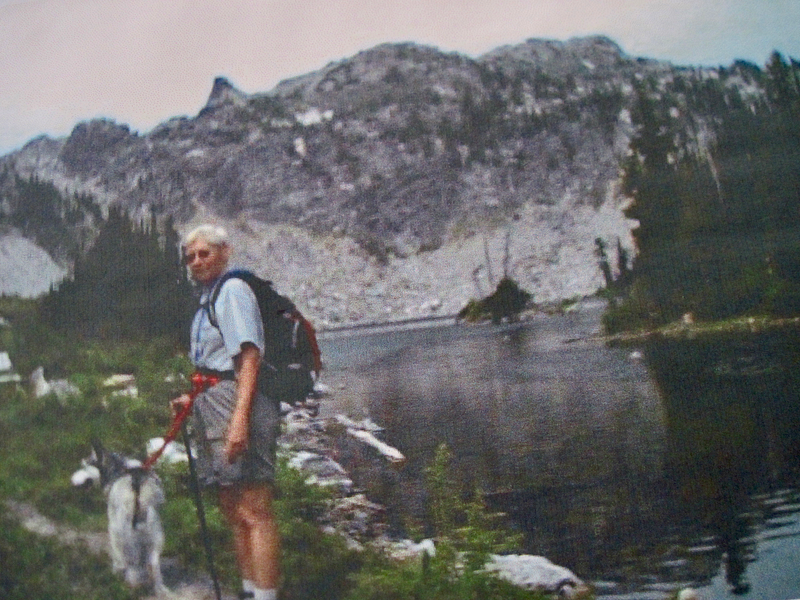
When a trail leads to a high alpine lake, it is a great spot to rest and linger a while. It is usually time to enjoy your lunch also. Chan Teh always looked forward to sharing some of my sandwich.
Alpine trails need constant maintenance. Storms can cause fallen trees to block access. Bridges can deteriorate and collapse. Brush can grow out of bounds and hide the path. Washington Trails volunteers spend one week in a wilderness. They clear brush and limbs so hikers can have an enjoyable experience.
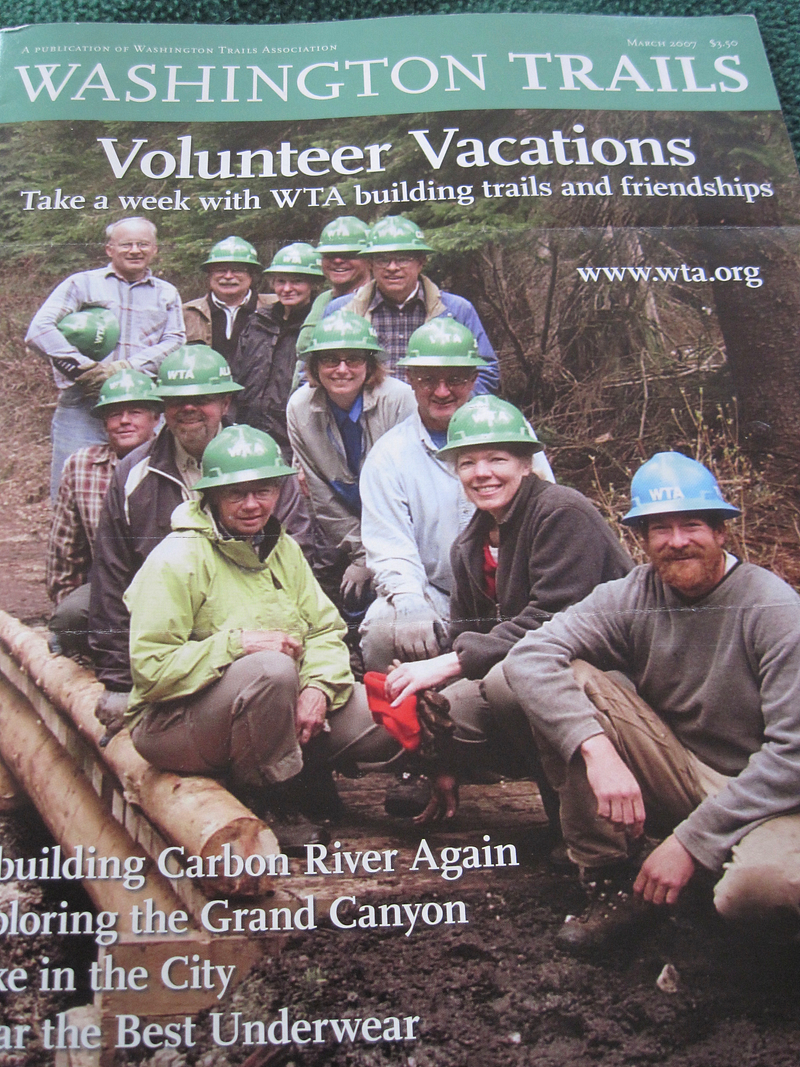
I was a member of this crew. We built a new bridge out of a huge tree buck sawed down. The trunk was divided into four sections and the bark removed. Then we hauled the quarters into place over a stream. The work required hand tools to avoid any sparks from a chain saw.
That structure should last thirty years. It was a tremendous learning experience with great camaraderie. I’m in the yellow parka.
Hope you’ve enjoyed visiting the Cascades with me and learning about mountains. All photos were taken with my camera by friends. I apologize for the quality.
This article was written in response to a Reciprocal prompt by Dr. Preeti Singh on the majesty of mountains.
Please support these writers by reading the following posts. I found their messages to be powerful.
Suma Narayan has written a powerful poem that encourages women to recognize their glory and stand up for it.
Dr. Gabriella Korosi reminds us to enjoy each precious day. Our time on earth is in essence “just a blink of an eye”.
Leonard Tillerman writes about his sighting of a puffin. He reminds us that “bonding with the wild is a beautiful and liberating experience.”


