
“Global Warming” and “Climate Change” Aren’t the Same Thing!
How to determine the correct term to use
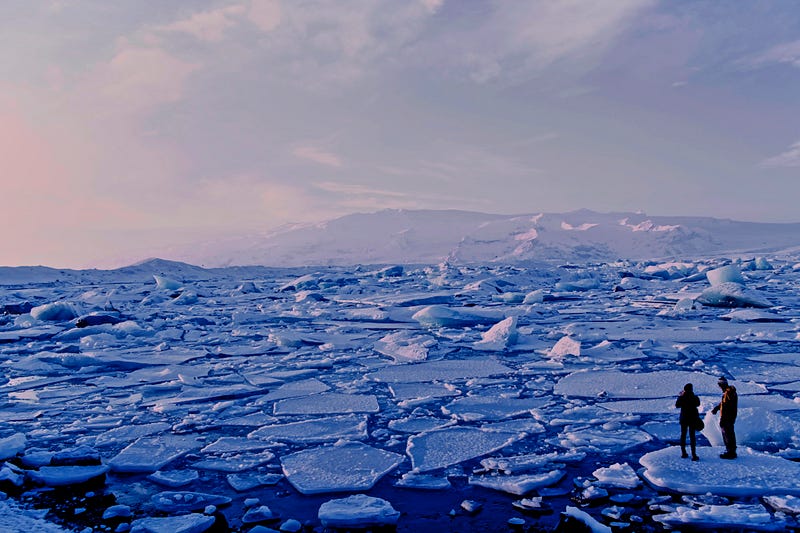
“Global Warming” and “Climate Change” are both scientific terms that have been adopted by and abused by politicians and the general public. As scientific terms, they have very definite and specific definitions. While they are related, they are not interchangeable. Knowing the difference and using the right term not only gives you credibility when you talk but reduces baldness in scientists as they don’t pull their hair out as much.
Let’s define some terms.
Global warming is when the average temperature over the whole globe and the whole year goes or trends upward. Due to greenhouse gasses, the Earth as a whole is absorbing more energy than it loses, which results in the accumulation of heat.
Climate is defined as the composite or generally prevailing weather conditions of a region, as temperature, air pressure, humidity, precipitation, sunshine, cloudiness, and winds, throughout the year, averaged over a series of years. (https://www.dictionary.com/browse/climate)
Climate change is when the climate of a specific area changes. This can result in different plants and animals thriving and the original ones dying off or migrating out.
Weather is defined as the state of the atmosphere with respect to wind, temperature, cloudiness, moisture, pressure, etc. (https://www.dictionary.com/browse/weather) It’s what’s happening right here, right now.
I’ve heard global warming deniers claim that we started to use the words climate change instead as an effort to rebrand, much like creationists tried to rebrand as creation science. This is utterly false. They started hearing about climate change because we had moved on from determining if there was an energy accumulation and started talking about how global warming was affecting our world: it was causing the climate to change. The extra heat has to go somewhere, and when it does, it changes the climate in that location.
Global warming can drive climate change, but climate change can occur on its own as well. For example, if the Amazon rainforest were to be cut down, new weather patterns would form and different plants and animals would thrive. That would be climate change as well. Since climate change can exist independently of global warming, they can’t be the same thing.
When do we use “global warming” and when do we use “climate change”?
Global warming reflects a global average. The keyword here is “globe”. Climate is local, it describes weather patterns, plants, and animals in a specific geographic location. If you are talking about something like snowfall averages, or temperatures in a given area, that’s climate change. It needs to be something that affects the whole planet or refers to the excess energy accumulated by the Earth to be global warming. If the climate cools in one area, that doesn’t disprove global warming because it could be warming in a different area. The only things that would disprove global warming is a cessation of global average temperature increases, or a sustained decrease in the average global temperature.
So, what’s happening when we get a hurricane or a super hot day? Is that global warming, climate change, or weather? That all depends on if that hurricane or super hot day is part of a pattern or not. The hurricane or hot day, by itself, is weather, it’s the conditions that exist right here and right now. If there have been a lot more hurricanes or hot days in the past few years than there were in the past, then hot days or hurricanes can indicate that there’s been climate change, but the hot day or hurricane in and of itself isn’t climate change. The energy needed to change the climate comes from global warming.
Now that we have that straight, let's talk briefly about the global climate. This is the pattern of weather that exists all over the globe and includes things like jet streams and ocean currents. For example, the currents in the Atlantic ocean come up from the tropics, run along the North American coast, and end up curving around and warming England. If that current breaks down or changes, England could become very cold. Because the energy to break down that current came from the excess that the Earth is absorbing, England’s climate change (cooling) would be a result of global warming. Kind of counterintuitive, but true nonetheless.
So to recap:
- Weather is what’s going on right here and right now.
- Climate is the pattern weather makes in a specific place, over a span of years
- Climate change is a change to that pattern
- Global climate change is a change in the global weather pattern.
- Global warming is the accumulation of energy, which drives climate change.
Now you can sound smart when discussing this important issue.


