
Glendale California School Board Protest of PRIDE Month Recognition Turns Violent
By Merary Flores Galindo and Dr. Benjamin M. Drury
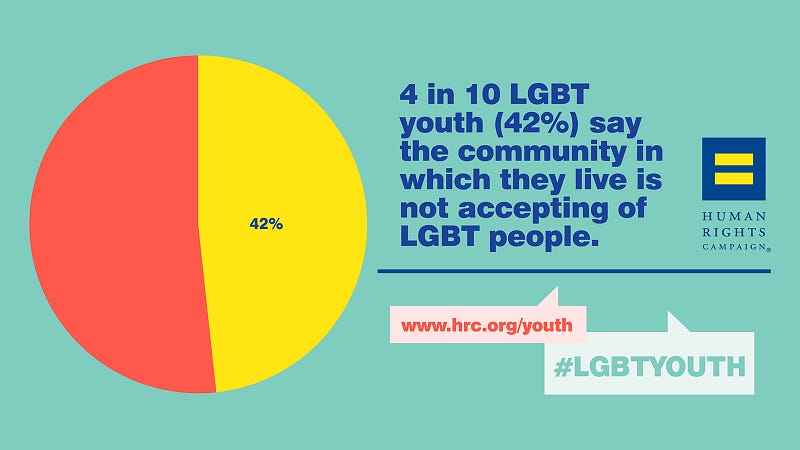
Imagine a school board meeting. If you are thinking anything like what I am thinking, you are probably imagining a benign bureaucratic meeting that typically takes place without public knowledge of when or what is being discussed. Recently, an incident in Glendale involved a violent demonstration where groups of men wearing “Leave our kids alone” T-shirts gathered in the streets in protest of a school board meeting related to the celebration of PRIDE during the month of June — which is PRIDE Month dedicated to celebrating and remembering the struggles of the LGBTQIA+ community. The situation escalated to the point of shoving and punching among the crowds, despite attempts by the Glendale police to de-escalate the situation. Three people were arrested, and the police declared an unlawful assembly, ordering the crowd to disperse. The significance of discussing LGBTQIA+ topics in schools becomes apparent in this context. At the meeting last week, the school board ultimately voted to recognize PRIDE month, a decision they have made since 2019. However, the experience of those supporting LGBTQIA+ rights was described as “terrifying” by witnesses. One individual mentioned facing a wave of online harassment, including anonymous accounts making threats of violence like being “killed and hanged.” This highlights the alarming levels of homophobia, transphobia, and hate speech that individuals advocating for LGBTQIA+ rights often face.
It is crucial to talk about LGBTQIA+ topics in schools because it fosters inclusivity, acceptance, and respect for all students, regardless of their sexual orientation or gender identity. In recent years, there has been a concerning rise in hate crimes targeting the LGBTQIA+ community, including incidents that have occurred within the school environment. These hate crimes take various forms, such as verbal abuse, physical assaults, bullying, harassment, and discrimination against LGBTQIA+ students. This surge in hate crimes emphasizes the urgent need to make schools safer for all students, regardless of their sexual orientation or gender identity. LGBTQIA+ students, as well as their peers, need safe and supportive environments where they can learn about and embrace diversity, develop a positive self-identity, and feel validated and respected. The impact of hate crimes on LGBTQIA+ students is profound. These acts of violence and intolerance can have severe consequences for their mental health, emotional well-being, and overall educational experience. LGBTQIA+ students who are subjected to hate crimes often face increased levels of stress, anxiety, depression, and feelings of isolation. The constant fear of being targeted can hinder their ability to focus on academics, leading to lower grades, decreased attendance, and even dropout rates.
Educating students about LGBTQIA+ issues also helps combat prejudice, discrimination, and bullying. It promotes empathy, understanding, and allyship among students, which can contribute to a more inclusive society. By discussing LGBTQIA+ topics in schools, educators have an opportunity to address misconceptions, challenge stereotypes, and create spaces where students can ask questions and learn about diverse experiences and perspectives. Additionally, and perhaps most importantly, providing comprehensive education about sexual orientation and gender identity helps LGBTQIA+ students feel seen, heard, and represented is a most critical step that most schools need to publicly take to ensure that even the smallest minority of their students who are struggling with these identity-related issues get the support they deserve.. It can support their mental health and well-being, reduce feelings of isolation, and provide resources and support networks. It also encourages LGBTQIA+ students to be proud of who they are and helps foster a positive sense of identity and belonging. However, incidents like the one in Glendale demonstrate the opposition and hostility that still exist towards LGBTQIA+ individuals and their rights. The presence of right-wing activists with a history of violence further emphasizes the need to address these issues in schools and society. By openly discussing LGBTQIA+ topics and promoting tolerance and acceptance, schools can play a vital role in creating a safer and more inclusive environment for all students.
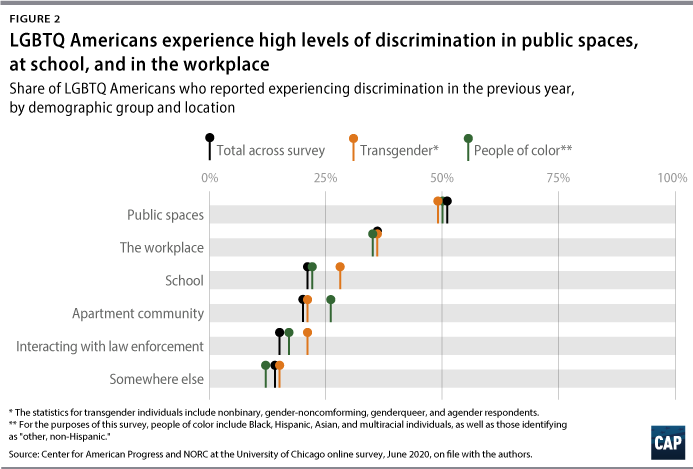
Indeed, the violent demonstration in Glendale and the subsequent online harassment highlight the importance of talking about LGBTQIA+ topics in schools. Addressing these topics fosters inclusivity, combats prejudice and discrimination, supports the well-being of LGBTQIA+ students, and creates a more accepting society. It is essential to create educational environments where all students feel safe, respected, and valued, regardless of their sexual orientation or gender identity. Creating safer schools for LGBTQIA+ students is crucial for several reasons. First and foremost, it is a matter of human rights and social justice. Every student has the right to learn and thrive in an environment free from discrimination, harassment, and violence. By promoting inclusivity and acceptance, schools can help ensure that all students feel valued, respected, and protected. Fostering safe and supportive school environments benefits not only LGBTQIA+ students but also their peers and the entire school community. When schools actively combat hate crimes and promote equality, they send a powerful message that intolerance and discrimination have no place within their walls. This helps create a positive school climate where diversity is celebrated, empathy is nurtured, and students learn to appreciate and understand different perspectives and experiences.