avatarDr John Frederick Rose

Summary

The webpage provides a comprehensive history of glass, from its natural formation and early uses to modern production techniques.

Abstract

The article "Glass Windows" delves into the historical and technological evolution of glass, tracing its origins to the Stone Age with the use of obsidian. It explores the development of glassmaking from its inception around 1500 BC in the Middle East to the invention of glass blowing in the 1st century BC. The text highlights the significance of glass during the Middle Ages, the rise of Murano glass in the 13th century, and the introduction of lead crystal in the late 17th century. It also covers the mass production of glass in the 20th century, including the revolutionary float glass process developed by Pilkington Bros in the 1950

Glass Windows

Happily Exploring History and Technology of Glass.

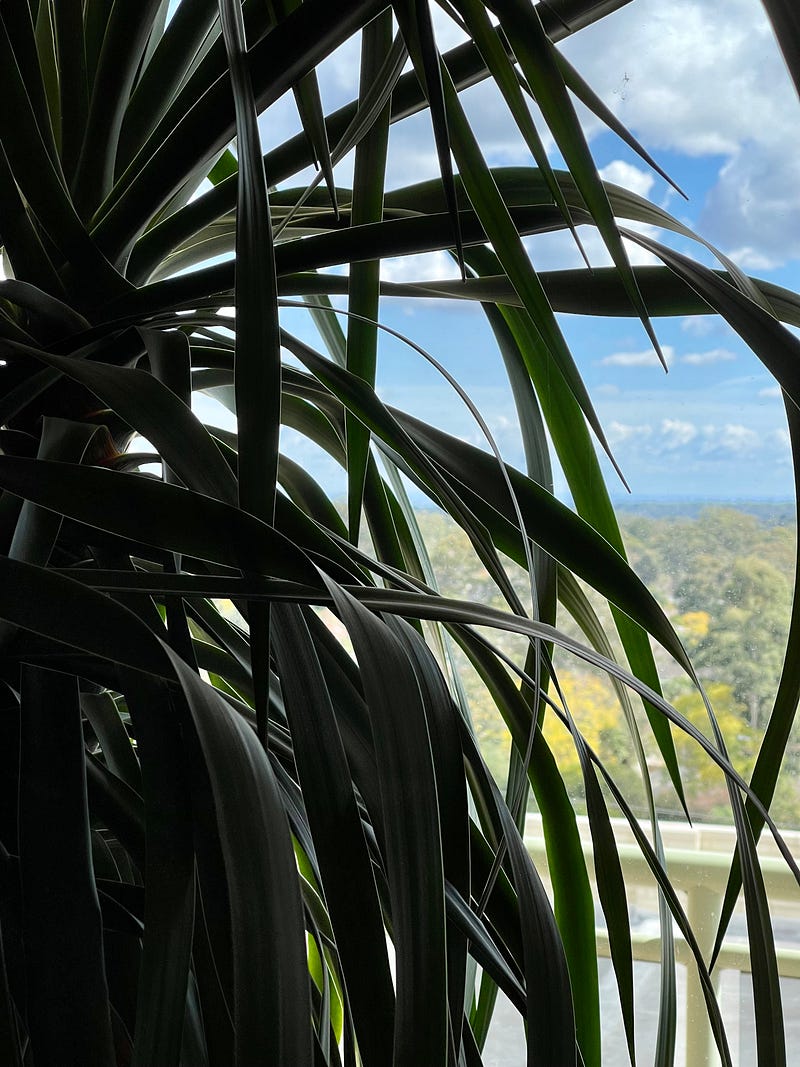
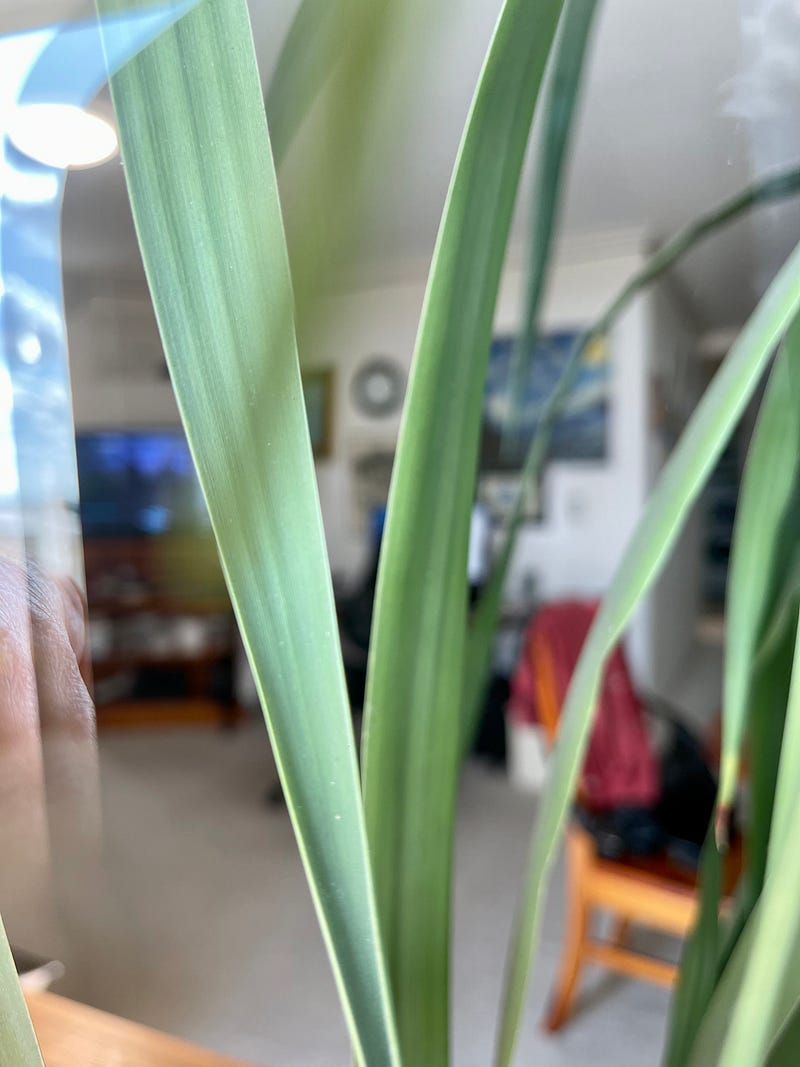
Windows, looking out and in. Metaphors for thinking perspectives. Pictures by John Rose.

Looking In, Looking Out, Windows everywhere, Ubiquitous and taken for granted, Woven into language, Everyday metaphors allegories and inspiring sayings, “Never trust a computer that you can’t throw out a window!”

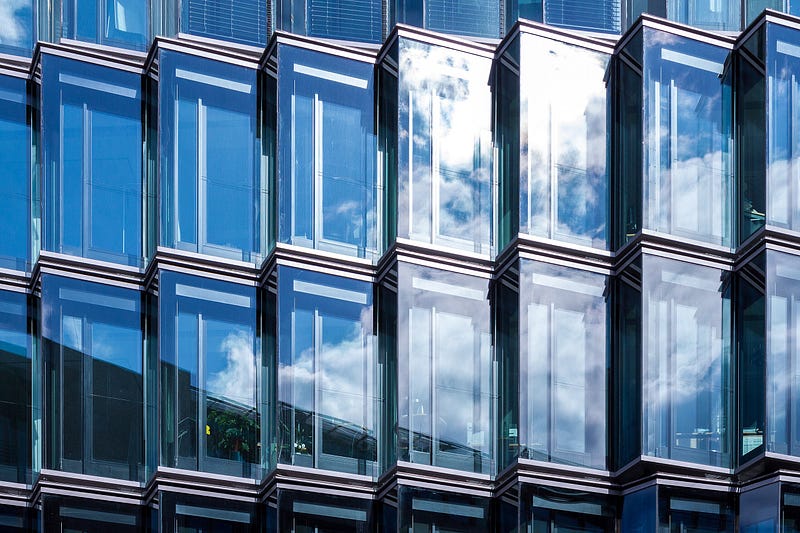
Everywhere I look glass sheathed buildings, Car windscreens and my tempered glass display screen.

Glass facade of the office building Wilhelmstrasse 65 in Berlin-Mitte. The building belongs to the German parliament. By Ansgar Koreng / CC BY 3.0 (DE), CC BY 3.0 de, https://commons.wikimedia.org/w/index.php?curid=48263499 (unmodified). Licensed under the Creative Commons Attribution 3.0 Germany license.

How did Glass come about?

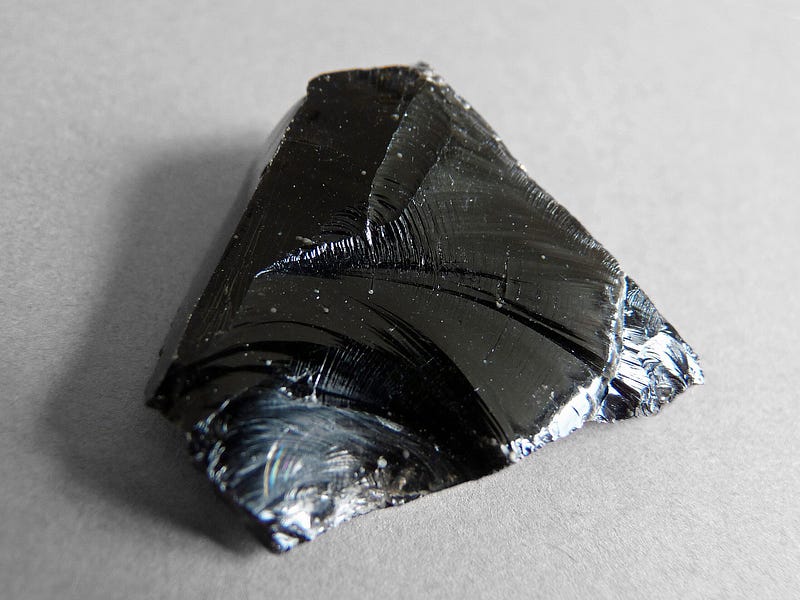
Naturally occurring obsidian glass used by Stone Age societies, Cutting tools and weapons.

A piece of volcanic obsidian glass. By Ji-ElleIt — Own work, CC BY-SA 3.0, https://commons.wikimedia.org/w/index.php?curid=15527635. Licensed under the Creative Commons Attribution-Share Alike 3.0 Unported license.

Glassmaking started 6000 years ago before iron smelting, Earliest evidence beads dating to 3500 BC, Back then, Glass rarely transparent, Impurities and imperfections.

True synthetic glass making started around 1500 BC, Evidence suggests true glass made in Lebanon, North Syria, Mesopotamia and ancient Egypt.

First glassmaking manual dates to 650 BCE, Instructions written in cuneiform on clay tablets, Discovered in library of Assyrian king Ashurbanipal.

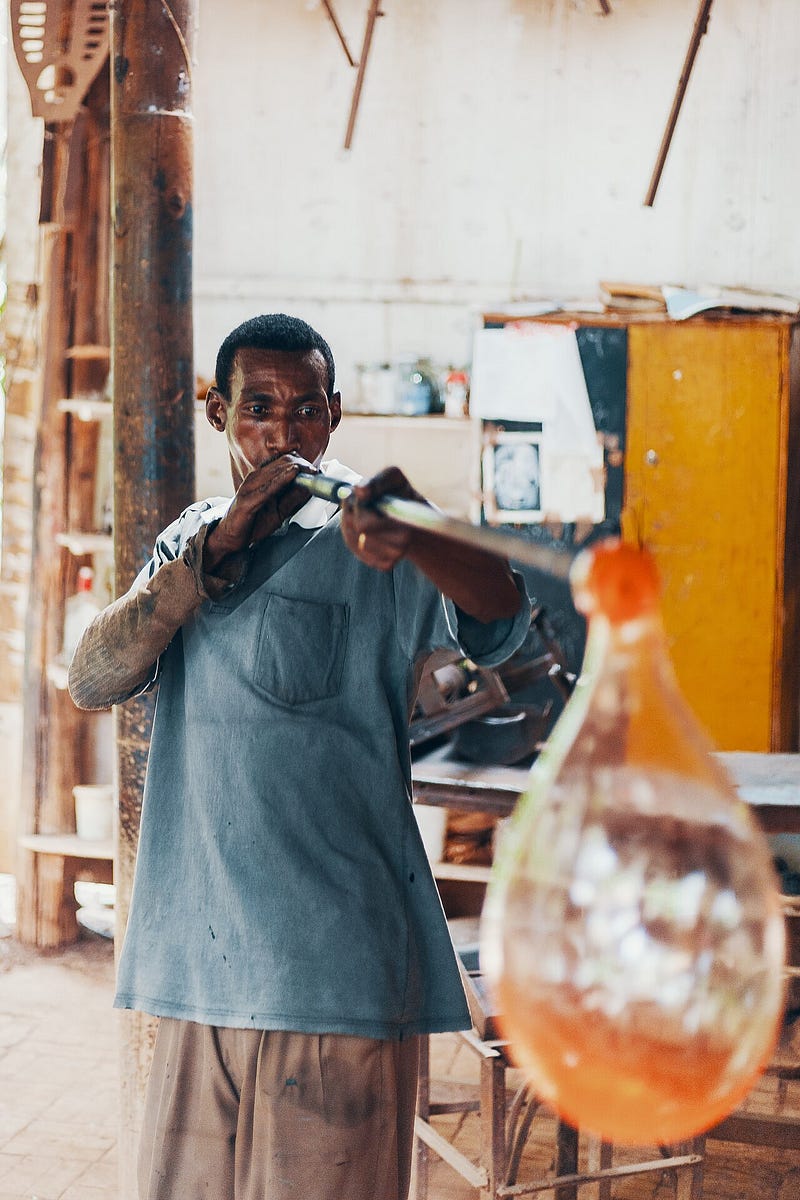
Evidence of Glass blowing discovered on Syro-Judean coast dates to middle 1st century BC, Novel technique called inflation where air is blown into molten glass blob, Produces strong thin walled objects of uniform thickness, Two major techniques free-blowing and mold-blowing emerged.

A glassblower shapes hot glass at his workshop. Such workshops help keep folklore alive by making a range of artefacts such as house decors, beads, utensils and more using techniques that date back thousands of years. By KamauxKamau — Own work, CC BY-SA 4.0, https://commons.wikimedia.org/w/index.php?curid=100502430. Licensed under the Creative Commons Attribution-Share Alike 4.0 International license.

Glass used extensively Europe during Middle Ages, Anglo-Saxon glass found across England, Stained glass windows churches and cathedrals after 10th century.

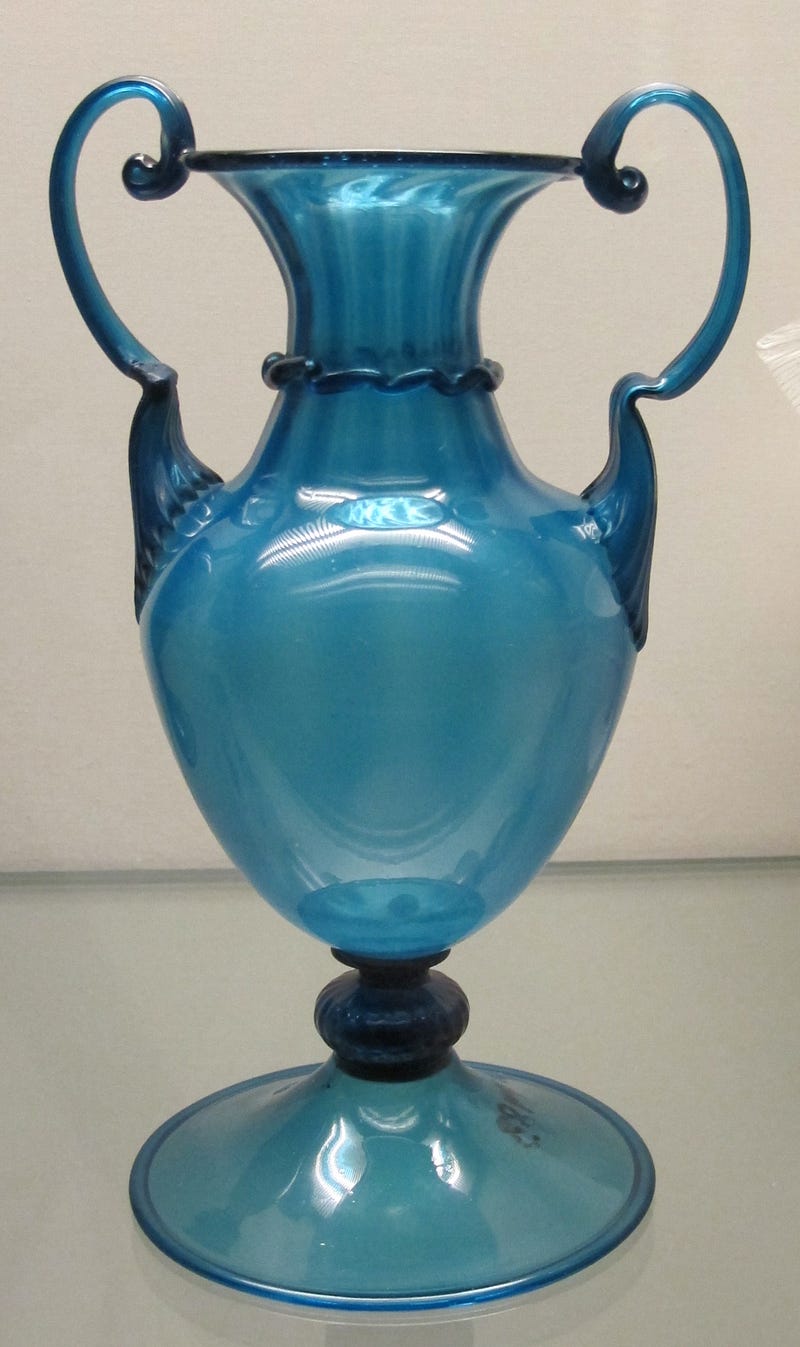
13th century Murano became centre for glass making, Building on medieval techniques to produce colourful pieces, Murano glass makers developed exceptionally clear colourless glass cristallo, extensively used for windows and mirrors ships’ lanterns and lenses.

Murano vase, around 1600. Hermitage Museum, St. Petersburg. By I, Sailko, CC BY-SA 3.0, https://commons.wikimedia.org/w/index.php?curid=16502027. Licensed under the Creative Commons Attribution-Share Alike 3.0 Unported license.

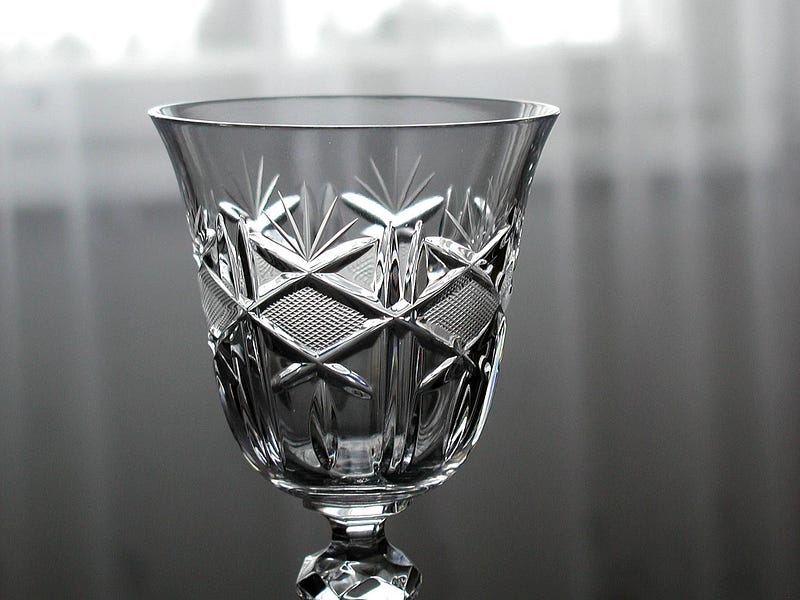
Around 1675, George Ravenscroft invented lead crystal glass, Cut glass became fashionable in 18th century.

Bowl of a wine glass in typical cut glass style. Photo by Paolo Neo — http://www.public-domain-image.com/public-domain-images-pictures-free-stock-photos/objects-public-domain-images-pictures/glass-public-domain-images-pictures/crystal-glass.jpg, Public Domain, https://commons.wikimedia.org/w/index.php?curid=24926188. Released into the public domain by its author, Paolo Neo. This applies worldwide.

20th century, mass production made glass freely available and practical for use in large scale building applications.

In 1950's, Pilkington Bros developed float glass process, Produces high-quality distortion-free flat glass sheets by floating glass on molten tin, Ideal for my apartment’s windows.

Glass pictures.

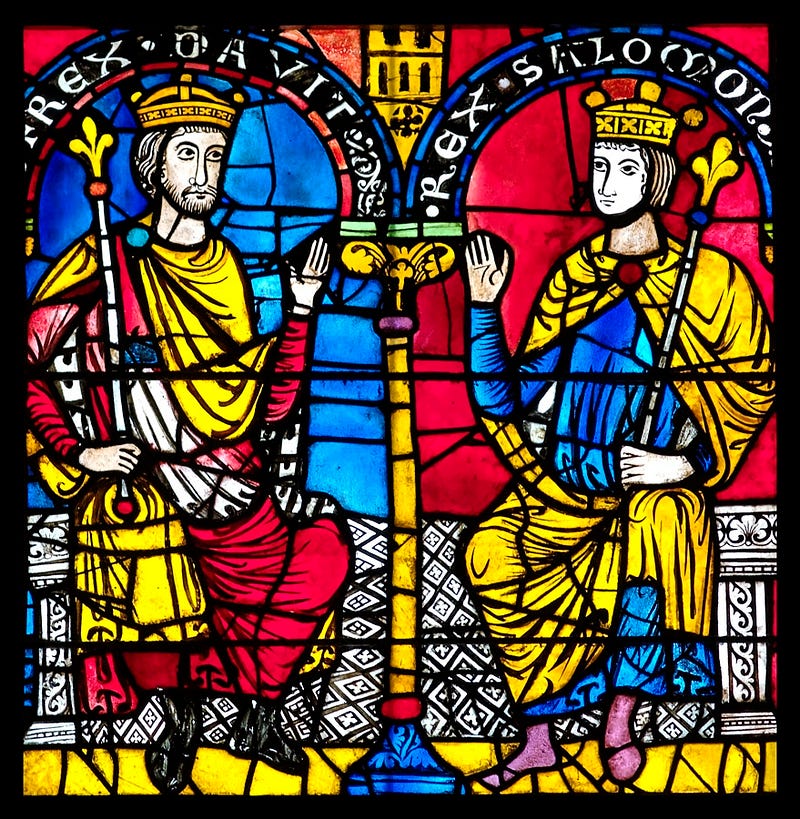
Romanesque stained glass window panel (second half of 12th century): Kings David and Solomon. By http://www.crdp-strasbourg.fr/data/albums/autres_vitraux/index.php?img=14&parent=20http://www.crdp-strasbourg.fr/data/albums/autres_vitraux/hr/image14.jpg, Public Domain, https://commons.wikimedia.org/w/index.php?curid=14474492. This work is in the public domain in its country of origin and other countries and areas where the copyright term is the author’s life plus 100 years or fewer.
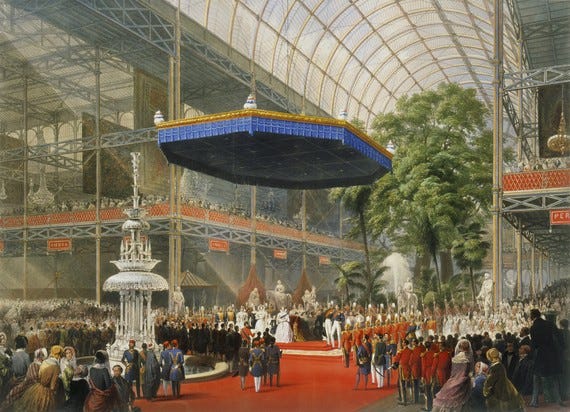
The façade of the Crystal Palace, one of the first buildings to use glass as the main material for construction. The State Opening of The Great Exhibition, England. Queen Victoria opens the Great Exhibition in the Crystal Palace in Hyde Park, London in 1851. By Louis Haghe — Artfinder.com, Public Domain, https://commons.wikimedia.org/w/index.php?curid=543325
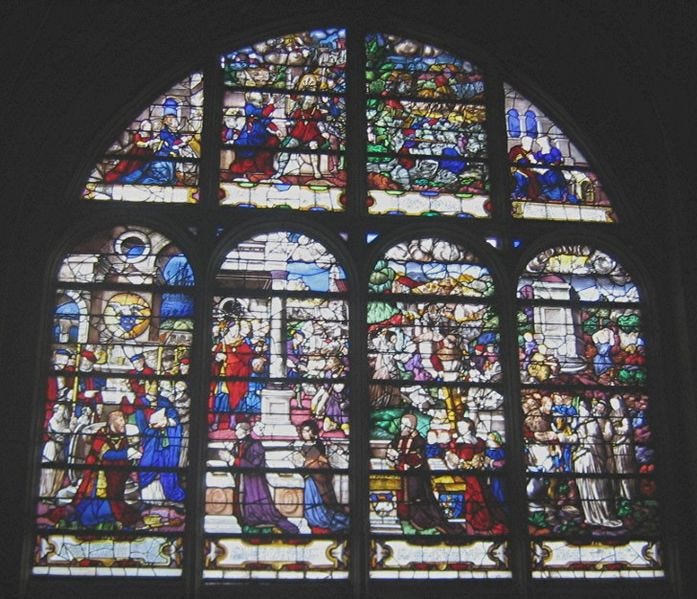
Les Andelys, church Notre Dame, stain glass, 16th century, Normandy. Personal picture taken by user Urban 2005. Licensed under the Creative Commons Attribution-Share Alike 3.0 Unported license.
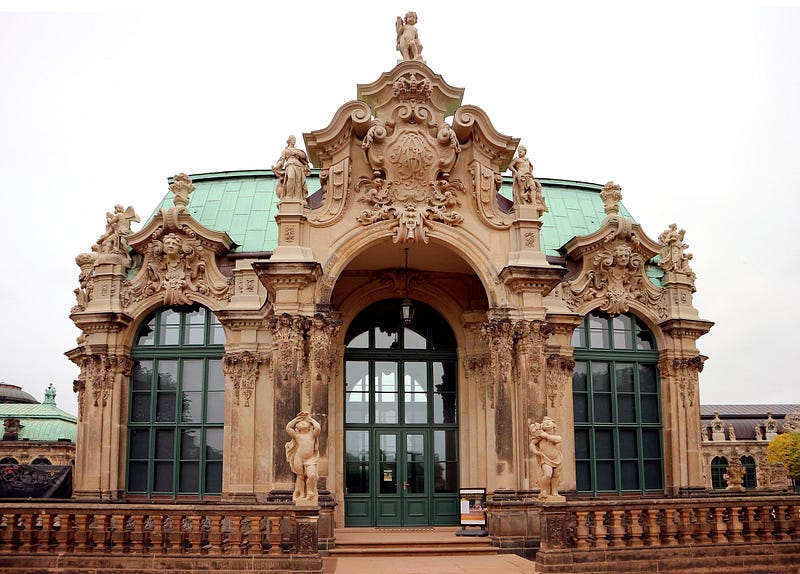
Rococo windows of the Zwinger (Dresden, Germany), built 1709. By By Andraszy — Own work, CC BY-SA 4.0, https://commons.wikimedia.org/w/index.php?curid=90061793. Licensed under the Creative Commons Attribution-Share Alike 4.0 International license
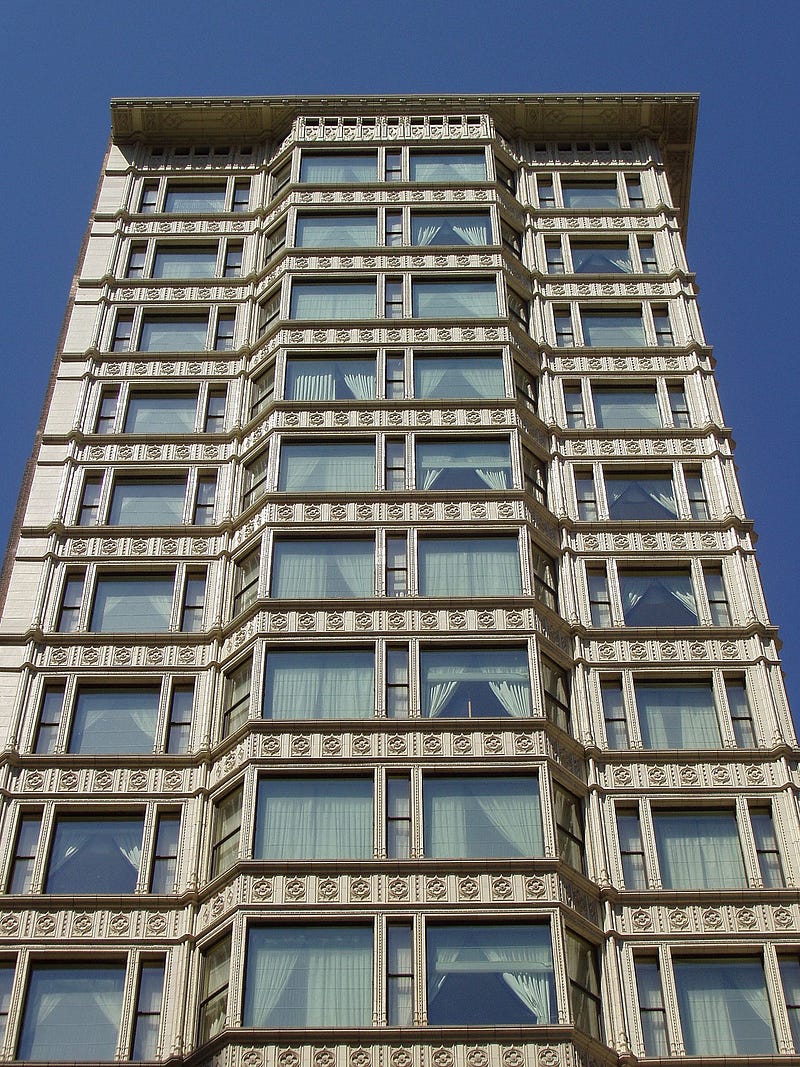
Reliance Building (architect Daniel Burnham) — Chicago, Illinois, 1894. By CC BY-SA 3.0, https://commons.wikimedia.org/w/index.php?curid=781597. licensed under the Creative Commons Attribution-Share Alike 3.0 Unported license.
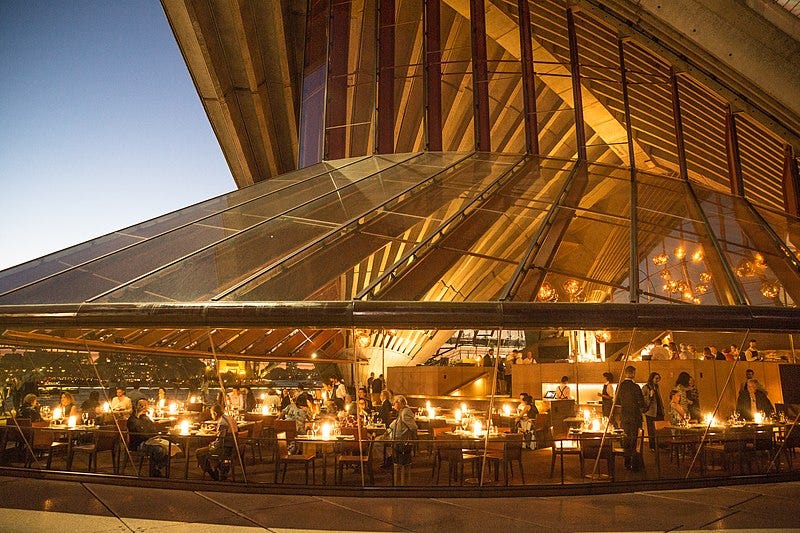
Sydney Opera House restaurant. By Amritpal Singh Mann, CC BY-SA 4.0 <https://creativecommons.org/licenses/by-sa/4.0>, via Wikimedia Commons. Licensed under the Creative Commons Attribution-Share Alike 3.0 Unported license.

Blessed be.

Poetry
Glass
History Of Technology
Modern Glass
Glassblowing
Recommended from ReadMedium
avatarJennifer Moorman Bolaños
My Psilocybin Journey

Communicating With The Mushrooms

12 min read