
Soul Magazine — Gratitude — Challenge — Nonfiction
Gifts from the Pandemic
When necessity drives creativity
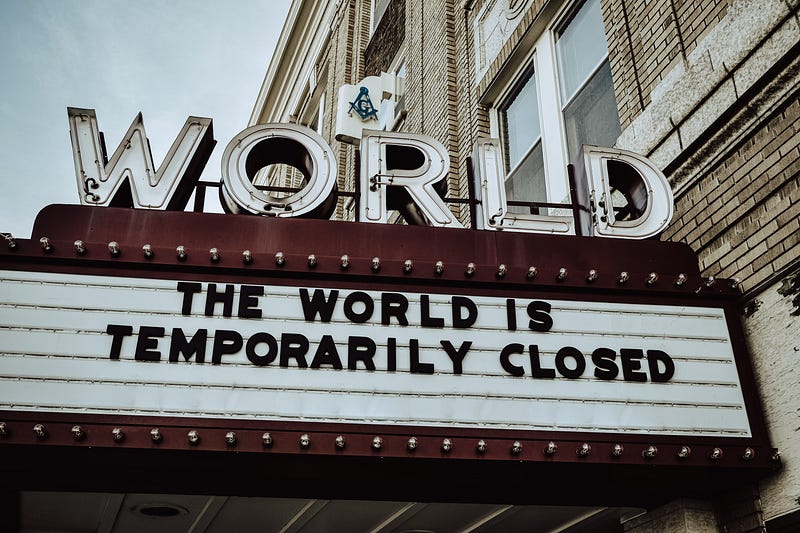
While COVID-19 has been a global crisis with widespread negative consequences, it has also led to some unexpected positive developments and gifts in various aspects of life. It’s important to acknowledge that these positive outcomes do not outweigh the suffering and challenges brought about by the pandemic, but they have nonetheless emerged as side effects of the crisis.
I’m an active supply chain participant and former health authority employee. On the topic of gratitude, I’m proud to share how the community in British Columbia responded to the pandemic’s challenges, with insights from Linda Lupini, PHSA EVP for Commercial Services.
The Supply Chain team typically operates quietly in the background, making sure supplies flow smoothly and managing contracts. But when a global pandemic hit, everything changed. Suddenly, the whole world needed the same supplies, and it created an enormous amount of pressure. To make things even more challenging, many of us look to a country, Hubei Province in China, that was hit hard by the pandemic. Factories were shutting down, and they were a major supplier of personal protective equipment. This put even more pressure on our supply chain team, and we had to find creative solutions to keep the supplies coming.
So, two important things are happening at the same time. First, people are encouraged to make their supplies or find local sources to produce things. This is a way to become more self-reliant.
But as we were trying to find suppliers for what we needed, we noticed that many countries were starting to limit what they allowed to be exported. For example, the European Union started putting restrictions on what could be sent out of European countries. This worried us because some of the things we needed, like ventilators, were coming from Germany, and other supplies were coming from various European countries. Fortunately, we had enough ventilators, and our BioMed group was able to get some back in working order. We were lucky there.
However, when it came to personal protective equipment, we had to think about the fact that some of it also comes from the United States. The U.S. put in place something called the Defense Production Act, which allows them to take control and limit anything leaving their country if they think it’s essential for their national security. Suddenly our contracts with American vendors were frozen. So, it added another layer of complexity to our supply chain.
There was a big demand for supplies worldwide, including in Canada. We had to be creative. We looked for alternative suppliers, explored making things ourselves, and faced constantly changing border restrictions.
Once we found a few good suppliers, the challenge was getting the supplies here. Cargo space was really hard to come by. If you wanted to ship something, you had to book a flight four weeks in advance. So, we had to think outside the box. We decided to charter our flights. We’d book a flight every week from an airport in China, like Shanghai. We’d tell all our suppliers, “Just get your stuff to the Shanghai warehouse, and we’ll handle the rest.” We knew they couldn’t find cargo space on their own. We worked with a freight forward broker to take care of all the customs paperwork and shipping. This marked the beginning of what we call a flexible supply chain for PPE.
Just to provide an idea of the scale, we received over 1,500 offers from people who knew potential suppliers. We had to establish a hub for these contacts because there were so many. Some of these contacts were seeking to profit from the situation, so we had to be meticulous in reviewing the documents to ensure authenticity. Since February, we have procured more than $90 million worth of PPE and received over 5 million units of PPE through donations. There is a lengthy list of generous contributors, including London Drugs, various industries, tech corporations, and numerous individuals who simply wanted to help.
The community in British Columbia stepped up incredibly. We were overwhelmed with support. People within the PHSA (Provincial Health Services Authority) who had connections with others, our doctors, and many people in our community, including the biotech community, came forward and said, “We want to help.”
The biotech community had to close their labs, so they decided to donate all their materials and reagents for testing. Their generosity was truly amazing.
You might have heard about Novo Textiles, a wonderful family business in Coquitlam. Instead of laying off his employees, the owner came up with a creative solution. He bought machines to produce surgical masks and N95 respirators. We’ve got a contract to receive the first batch of these masks and N95s. This marks the first time in Canada that N95s are being manufactured here, which is a remarkable accomplishment. It shows how urgency and the need to adapt can lead to creative thinking and innovative solutions.
Incredibly, many of these generous donors didn’t seek recognition or media attention. They simply said, “We’re part of the British Columbia community, and we genuinely want to help.”
In the face of a global pandemic, the world has witnessed the extraordinary power of human ingenuity, resilience, and community spirit. The challenges brought on by the pandemic compelled individuals, businesses, and entire communities to adapt, innovate, and support one another in ways we could not have predicted. From local businesses repurposing their operations to producing critical supplies to the global coordination of supply chains under duress, the response to this unprecedented crisis has shown what can be achieved when necessity drives creativity and when the bonds of a community are strengthened.
These stories from the frontlines, where individuals and organizations selflessly contribute without seeking recognition, exemplify the human spirit at its best. Their dedication to the well-being of their fellow citizens, their determination to find solutions, and their willingness to go above and beyond the call of duty have shone brightly in these challenging times.
As we look back on the global response to the COVID-19 pandemic, we find not only tales of hardship but also an abundance of hope, unity, and resilience. The lessons learned from this extraordinary period will undoubtedly serve as a source of inspiration for the future, reminding us of what can be achieved when we come together to confront the most significant challenges of our time.
Grateful to witness and experience the power of the human spirit.
Vinitha Dileep and the rest of Soul Magazine’s staff invite you to join our 30 days of gratitude

CLICK HERE TO SIGN UP FOR CONSIDERATION 💌 Subscribe
Soul Magazine serves as a sanctuary for transformative writings, and you can SUBMIT YOUR STORY HERE