
Getting to Know Genres: Indonesian Gamelan
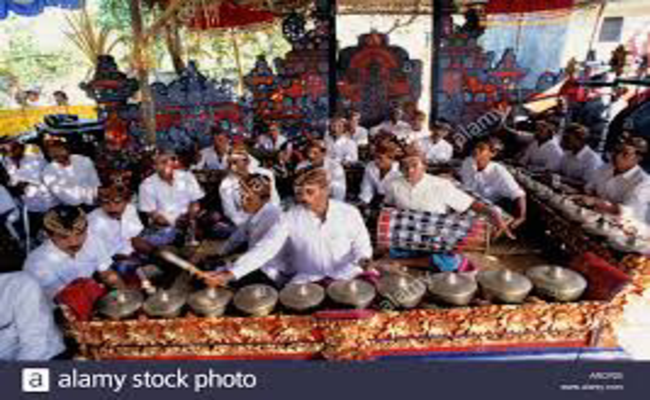
Gamelan music has been a part of Indonesian culture for as long as there has been an Indonesia. While Gamelan ensembles were played during the Srivijiya Empire more complete records mentioned the orchestras during the Majapahit empire. The percussion-heavy music was played mainly during court and for the entertainment of kings. Underneath the meditative appeal of the music is order and balance. Something that has influenced laypeople in the Bali and Java islands, in addition to royal blood.
While there are many moving parts in Gamelan there is also unbelievable unison amongst the musicians. Between the xylophones, flutes, and metallophones is a sustained melody that is periodically changed by the thump of a heavy gong. The music in general is very calming. It takes on a meditative texture especially when the heavier xylophone notes underscore lighter notes. Sometimes the music can, through a dense four-beat bar, transcend the listener into another space altogether, giving off a very cathartic appeal.
With the introduction of colonialization from European countries and slaves from India, the Middle East and Africa the culture and sound of Gamelan severely bifurcated. Whether it was the introduction of western instruments like the violin, or religions like Islam, the sound and purpose of Gamelan changed in multiple regions throughout the nation.
In the 1960’s the Sukarno regime encouraged continuation of Gamelan as a national art form through establishing publicly funded Gamelan schools. The artform is featured in multiple types of venues throughout Indonesian society. From dances to rituals Gamelan remains an important part of Indonesian history and culture.


