
Getting Out of Debt: Two Proven Ways to Shake What You Owe
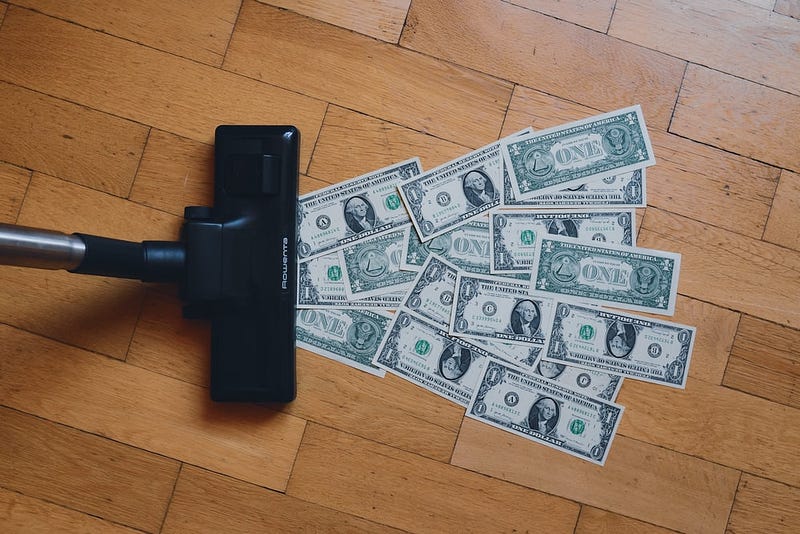
For one reason or another you might have ended up in debt. It is not surprising given that America is designed for that to happen. From the lack of education on credit and debt in school to the normalization of accumulating massive student loans to then chain ourselves to mortgages in the name of the American dream, every turn in life seems to be marked by owing someone money at each level.
Let me be clear, the best debt is the kind that does not exist. Below I’ll explain how in some cases it can be good. However, given that wealth equals Assets — Debts a crowning achievement of wealth is not owing anyone or any institution anything.
Types of Debt
It should be noted that there are 2 types of debts: good debt and bad debt. Good debt is debt that can be leveraged to produce income and earn more money. A good example is a mortgage. A mortgage is a loan given by a lender in order to finance the purchase of a property. An investor can use a mortgage to acquire a property, rent that property out to tenants then make a profit each month by using the rental payments to pay the mortgage and keeping the difference. Real estate investing is not that simple, but the point is the mortgage is used to actually make money.
Another example is student loans. Student loans vastly increase the earning potential of anyone. Men with college degrees on average make more than $900,000 than men with high school diplomas, women make $630,000 more over their lifetime. Student loans are leveraged to earn more money in the future. For awhile that was a safe bet, but with skyrocketing college tuition and an increasingly tight labor market student loans toe the line between useful and crippling debt.
Bad debt is debt that is not used to produce income. Bad debt leaves borrowers paying for items long after they first purchased them. It will even make items more expensive than the sticker price because of high interest rates attached. The most common culprit of bad debt is consumer debt. Consumer debt comes in the form of credit card debt and personal loans. This is debt you want to avoid at all times if possible. The reason being that these loans often come with heavy interest rates that could be upwards of 18–20%, meaning that if you take out a loan for a $300 bill with an annual APR of 18% in 6 months your debt has ballooned to over $684. Hopefully you can see how much of a slippery slope this is.
This is a feat easier said than done. According to the Federal Reserve 80% of Americans are in some type of consumer debt with the average amount being $38,000 not including mortgages. Debt seems to just be a way of life in America but it does not have to be. We should reject normalizing consumer debt because in the long run it does nothing but hinder our ability to generate wealth.
Debt should only be used as a way to increase your income. It is the unfortunate fact that knowledge of debt is not a strong enough deterrent to use it because most people simply do not have enough savings to fall back on when emergencies arise. If you have found yourself in a similar situation it is okay. Below you’ll find 2 proven strategies to shake debt once you’ve accumulated it.
How to Get Rid of Debt
Prior to specific strategies it is most important to understand that it is ok and your life is fine. There is no reason to beat yourself up about owing whatever you owe. Having anxiety or being afraid is not helpful in moving forward. The most important thing I can stress is thoroughly believing that if you want to remove debt it is possible to do so.
Financial experts recommend two primary ways to get rid of debt: the snowball effect and the avalanche approach. A prerequisite to both is writing down the name of each loan with the interest rate beside in order from top to bottom. The smallest interest amounts to the largest. The snowball effect suggests that you begin with the smallest amount of debt with the lowest interest rate and focus on paying that amount down first. Once that amount is paid down then you snowball the amount you usually pay into paying down the next amount and so on so forth. If you are a person that enjoys small wins that keep you motivated then this is a good strategy to begin paying down debt.
Alternatively, there is the avalanche approach where you begin with paying down the largest amount first and work backwards from there. Once the largest amount is paid down you would take that payment and put it toward the next largest amount and so and so forth. This strategy is numerically the most effective because you pay less over time, but depending on the amount it may take awhile. If you are strictly concerned with saving the most amount of money this strategy is the best way to go about handling debt. Remember the snowball effect and avalanche approach are two of the most popular ways to pay down debt and gain control of your finances.
Why it Matters
Oftentimes I hear people say “oh well, I am in so much debt that it doesn’t even matter now.” I am not trying to convince everyone that their lives should be centered around becoming financially fit and getting out of debt. For some it really does not matter and I wholeheartedly respect that, but if you are someone who wishes to not be in debt, achieve financial freedom and build wealth then paying down debt does matter. With bad debt it is hard to get favorable interest rates and smaller down payments when you go to buy a home. Your credit score may be lower which presents a higher barrier to good credit card deals, apartments and even employment opportunities. The opportunity cost for debt is large considering you could take those same dollars and invest them to see your money grow.
The rewards for paying down debt and staying financially fit are vast and can be life changing, but progress takes a lil minute. What is important now is to get a clear snapshot of exactly how much you owe. Write it down. Decide what strategy you want to adopt. Feel good and be happy you made progress. Then do it.
If you would like to support me and other writers on medium use my referral link to signup for a membership. It’s only $5 bucks a month. Sign up here. Thank you in advance for all those who consider.
Thank you again for another read and don’t forget to follow me on Medium and share with 3 friends if you can. I’ll keep some more content coming.
The information provided on my medium stories does not constitute investment advice, financial advice, trading advice, or any other sort of advice and you should not treat any of the articles’ content as such. The articles are purely for informational purposes. Do conduct your own due diligence and consult your financial advisor before making any investment and financial decisions.


