
Getting kids to practice music
A one stop guide to making music fun, rewarding and valuable for your child
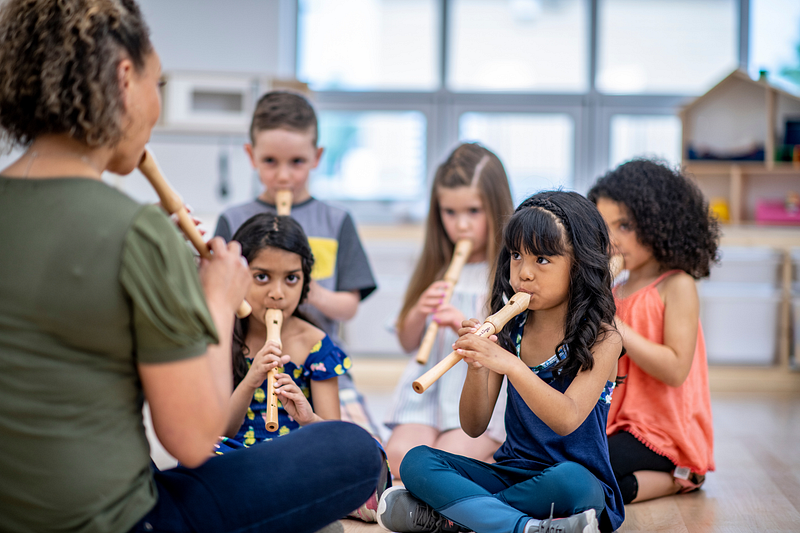
While a child will receive heaps of joy from playing an instrument, regular practice can often seem like a chore to them. As a result, it can be the adults role to help motivate there child to keep learning.
Learn the best hints and tips to give your child the push they may need.
Create challenges and goals — but celebrate all accomplishments
Most of us work better with a clear goal, and learning music is no exception. Decide with your child what they would like to achieve after a week of regular practice, and set bigger goals for them to work towards each term too. These could include memorising scales, taking part in performances at school or home, mastering a technical point or playing a piece through without stopping.
While the goals themselves should pose a challenge, consistent encouragement from parents and others at home is vital to maintain motivation and practice regularly.
Be sure to celebrate every accomplishment, however minor; even something as simple as getting the instrument out of its case without being prompted!
Put your child in control
Kids will always be more motivated to do all sorts of things if they feel like they’re being given the choice, and music education is no exception! If possible, allow your son or daughter some choices over their practice times and location. It will then be easier to help them to stick to it.
Let them tell you what homework they’ve been given by their music teacher so they can determine the content of each practice session too.
Above all, regardless of their age or experience, let them feel like they are the experts!
Let Them Play Music They Like
Don’t make the mistake of thinking that the main priority of learning an instrument is classical music. There is way more to it than that! From violin to guitar, and everything in between, any instrument opens the door to a massive variety of musical style; jazz, world, folk, and popular to name a few.
Playing music they enjoy and recognise is an excellent way for kids to gain extra reinforcement of their instrumental technique without tears, and will assist in aural training, fluency, and self confidence as well as livening up their practice routine. It may even be more enjoyable for you to listen to!
There are lots of excellent books available featuring music from shows, films, TV, and even video games arranged for all instruments which will set your child up for success.
Break up Practice Time
Keep your expectations moderate here. Playing a musical instrument is a tremendous feat of concentration and practicing for extended periods of time usually leads to nothing but misery, mistakes and frustration!
It can be difficult to schedule, but if at all possible get your child to practice music for a shorter session most days rather than longer sessions less often. Depending on the student’s level, we recommend between 15–45 minutes per practice session, ideally at least five times per week.
Divide your child’s music across these sessions so they get the chance to work in-depth with clear challenges and are not trying to cover everything every time they play.
Practicing for longer than 45 minutes at a stretch is not advisable even for the most advanced of students. Even a short (tea…) break and a regular change of task (for example from scales to pieces) after that time will keep the brain focussed and maximise progress.
Don’t Make Practice An Obligation, But Do Create A Disadvantage/Consequence for Not Practicing
This ties in with what we said earlier about using a reward system. Don’t want to practice? That’s fine, but you won’t be able to earn as much time on your device this week. Or you can help me with the chores if you’d like? Oh, well you must have some homework to be getting on with instead then….