avatarCappelli, MFA, JD, PhD

Free AI web copilot to create summaries, insights and extended knowledge, download it at here

1881

Abstract

h society. It stretches in various shifting patterns throughout the landscape and shaped a new kind of economy.</p><p id="7b1a">How we see the landscape along Rte. 66 depends on our positioning, who we are and where we stand to view it.</p><figure id="d282"><img src="https://cdn-images-1.readmedium.com/v2/resize:fit:800/1*-nOgoblevbnJDIroNze5Jw.jpeg"><figcaption>Photo by <a href="https://unsplash.com/@danielaraya?utm_source=unsplash&amp;utm_medium=referral&amp;utm_content=creditCopyText">Daniela Araya</a> on <a href="https://unsplash.com/s/photos/route-66?utm_source=unsplash&amp;utm_medium=referral&amp;utm_content=creditCopyText">Unsplash</a></figcaption></figure><p id="309d"><i>The Mother Road,</i> termed by John Steinbeck, became America’s Main Street, and for some “the road of flight” offering entrepreneurial promise and possibility and a chance at the American Dream on that twisting road to the promised land.</p><p id="f40c">In addition, to individual promise, Rte. 66 more importantly played an active role in wartime mobilization. During World War II, the road enabled “the single greatest wartime manpower mobilization in the history of our nation” (Findlay 287). It became symbolic as a highway for the creation of the fierce rugged individual — a journey towards individual realization.</p><p id="e608"><b>Rte. 66: Off the Beaten Path</b></p><p id="31a5">Today, the narrative stretch running through New Mexico through the Pueblo communities to Arizona is a virtual ghost town of run-down fleabag motels, fading neon signs, greasy spoon diners, liquor stores, and souvenir shops a highway of empty promises and lost dreams.</p><figure id="5520"><img src="https://cdn-images-1.readmedium.com/v2/resize:fit:800/1*oo9FQJKRc_0g4m9lRiq33g.jpeg"><figcaption>Photo by <a href="https://unsplash.com/@jakobowens1?utm_source=unsplash&amp;utm_medium=referral&amp;utm_con

Options

tent=creditCopyText">Jakob Owens</a> on <a href="https://unsplash.com/s/photos/route-66?utm_source=unsplash&amp;utm_medium=referral&amp;utm_content=creditCopyText">Unsplash</a></figcaption></figure><p id="751b">On this road, we witness the dynamics of a culture motivated by greed, aggression, and mindless exploitation of resources. It is a history marked by social, cultural and political alterations — relations of power, diffused throughout its geography before winding down through the Chumash burial ground through the Topanga Back Bone Trail to the Pacific Ocean.</p><p id="4528">This is the other story, the story of struggle etched in the red rock of the foothills, where Chumash Indians believe they can see their ancestral faces of anguish, despair, death, and displacement — a result of the white man’s march for resources.</p><p id="b205">I know. For several years, I lived on this Indian Burial Ground and have seen these spirit memories, witnessed the “fortresses” and “earthworks,” the human consequence of greed and exploitation. I have seen the anguish of humanity’s inhumanity to man in the face of mother earth. This is the real cartography of Route 66, the one tourists do not see on their travel maps.</p><p id="3293">It is the “other” story of the struggle of indigenous populations destroyed and displaced by Westward Expansion for new terrain and resources. It is the story of the Pueblo communities of Hopi, Zuni, Laguna, and Cuberos living on the Pueblo Crescent. It is a story of greed, exploitation, and human irresponsibility.</p><p id="4ed3">It is the story that must be told and retold.</p><p id="76e4">If people are sincere about preserving our landscapes, peoples, and ecosystems, Route 66 remembers and narrates the story of how the Southwest and its original peoples lost their land and communities in all its tragic details.</p></article></body>

Get your Kicks on Route 66

Unearthing a history of unchecked expansion.
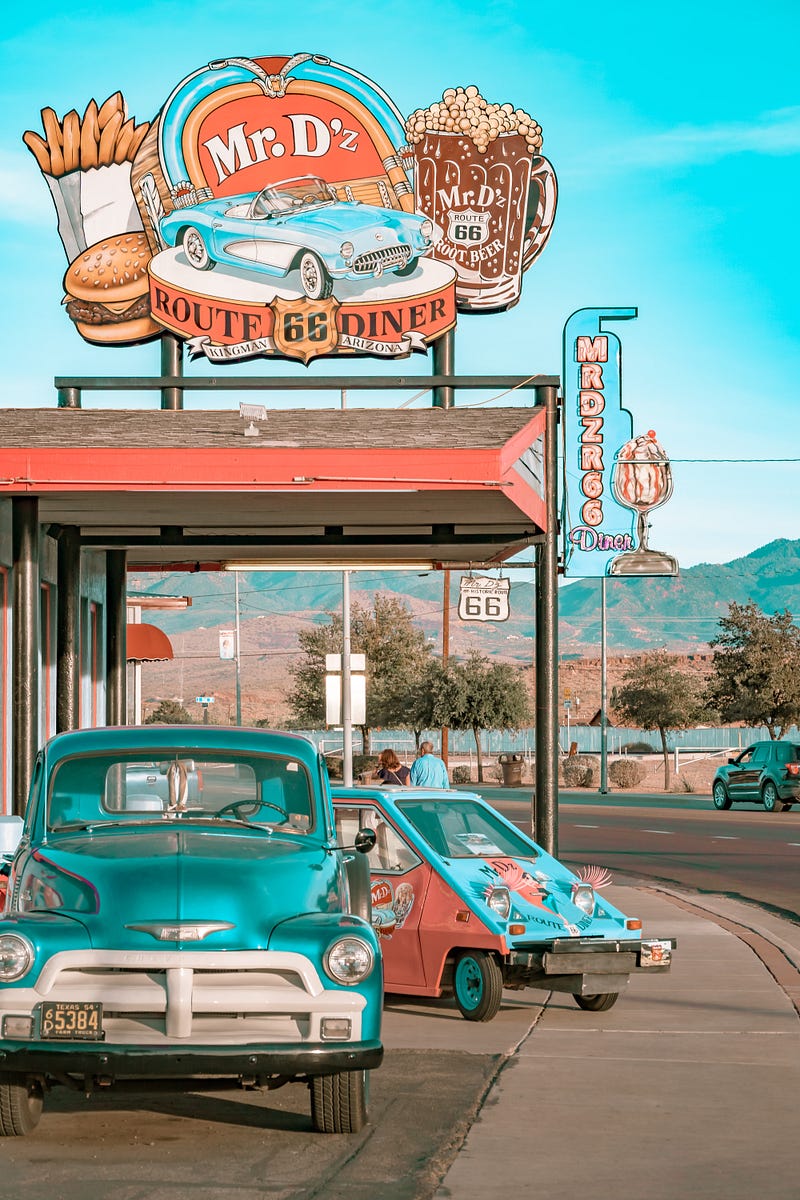
Photo by Heidi Kaden on Unsplash

Route 66 is more than a highway. It holds the memories of how expansion narratives were responsible for the military campaigns to force Native peoples from the most valuable agricultural, mineral, and timbered landscapes in America.

If you’ve ever driven on Route 66, you know that the Southwestern landscape traveling through Texas, New Mexico, and Arizona and ending in Santa Monica is the most breathtaking and fertile, yes fertile in America. In addition to silver, gold, potash, soda ash, and molybdenum, and other minerals, 90 percent of copper in the United States comes from the Southwest.

The result is a landscape mirroring complex global power relations revealing how the exploitation of minerals gave way to a corporate mineral grab where companies like Elevation Gold Mining, Stewart Brothers, Laramide Resources among many others wreaked havoc on Native American Indian communities, physical territories, and ecosystems. Take a drive on Rte. 66 and she provides a historical mapping to understand how this process converted nature to the acquisition and production of material wealth.

The effects of this unchecked corporatization of the landscape are multifaceted involving economic, legal, sociopolitical, and cultural forces that circulate through society. It stretches in various shifting patterns throughout the landscape and shaped a new kind of economy.

How we see the landscape along Rte. 66 depends on our positioning, who we are and where we stand to view it.
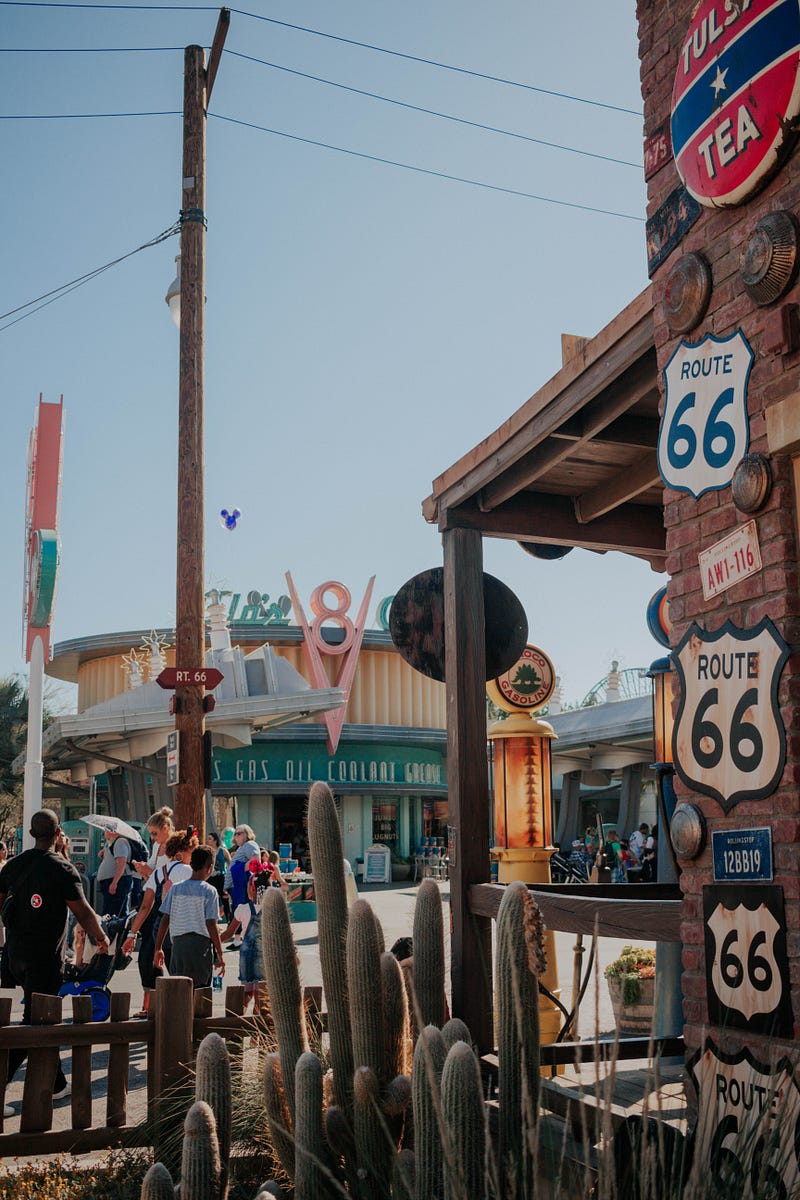
Photo by Daniela Araya on Unsplash

The Mother Road, termed by John Steinbeck, became America’s Main Street, and for some “the road of flight” offering entrepreneurial promise and possibility and a chance at the American Dream on that twisting road to the promised land.

In addition, to individual promise, Rte. 66 more importantly played an active role in wartime mobilization. During World War II, the road enabled “the single greatest wartime manpower mobilization in the history of our nation” (Findlay 287). It became symbolic as a highway for the creation of the fierce rugged individual — a journey towards individual realization.

Rte. 66: Off the Beaten Path

Today, the narrative stretch running through New Mexico through the Pueblo communities to Arizona is a virtual ghost town of run-down fleabag motels, fading neon signs, greasy spoon diners, liquor stores, and souvenir shops a highway of empty promises and lost dreams.
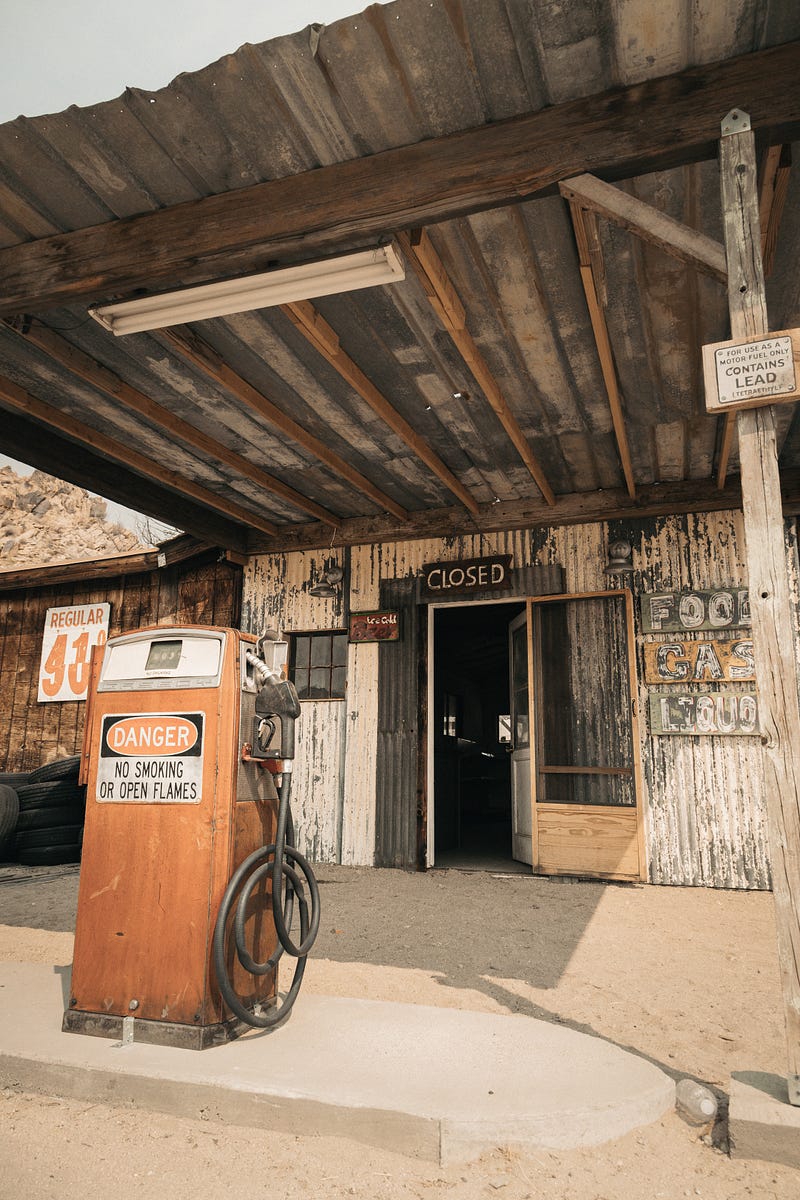
Photo by Jakob Owens on Unsplash

On this road, we witness the dynamics of a culture motivated by greed, aggression, and mindless exploitation of resources. It is a history marked by social, cultural and political alterations — relations of power, diffused throughout its geography before winding down through the Chumash burial ground through the Topanga Back Bone Trail to the Pacific Ocean.

This is the other story, the story of struggle etched in the red rock of the foothills, where Chumash Indians believe they can see their ancestral faces of anguish, despair, death, and displacement — a result of the white man’s march for resources.

I know. For several years, I lived on this Indian Burial Ground and have seen these spirit memories, witnessed the “fortresses” and “earthworks,” the human consequence of greed and exploitation. I have seen the anguish of humanity’s inhumanity to man in the face of mother earth. This is the real cartography of Route 66, the one tourists do not see on their travel maps.

It is the “other” story of the struggle of indigenous populations destroyed and displaced by Westward Expansion for new terrain and resources. It is the story of the Pueblo communities of Hopi, Zuni, Laguna, and Cuberos living on the Pueblo Crescent. It is a story of greed, exploitation, and human irresponsibility.

It is the story that must be told and retold.

If people are sincere about preserving our landscapes, peoples, and ecosystems, Route 66 remembers and narrates the story of how the Southwest and its original peoples lost their land and communities in all its tragic details.

Indigenous
Globalization
Capitalism
Native Americans
Recommended from ReadMedium
avatarBlack_
Economy Crisis

2 min read