
Get To Know The Tribes and Roots of Why Filipina are Mostly Beautiful
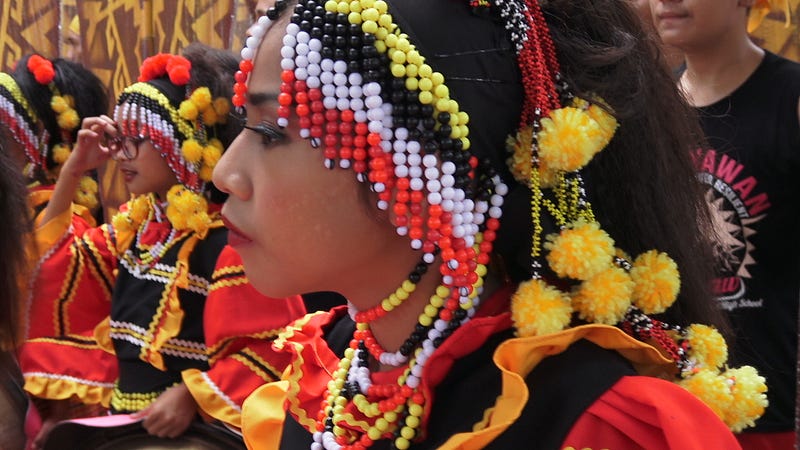
The Philippines consists of more than 7000 islands and it is said that only 2000 of these are inhabited. These islands fall under the three major island groups of the country which are Luzon, Visayas, and Mindanao.
The Philippines’s population as of the 2019 census is 108.1 million. It is no wonder that there are distinct characteristics, languages, as well as different cultural practices and traditions on each island.
There are more than 175 tribes in the Philippines. The country consists of different ethnic groups in the Philippines and six of the largest groups include the Bicolano, Cebuano, Ilocano, Kapampangan, Maguindanao, Maranao, Tagalog, and Tausug.
Comprising several upland and lowland native tribes are two main ethnic groups coming from the northern and southern parts of the Philippines.
The indigenous people living in the north are called Igorots while those non-Muslim tribes living in the south are collectively known as Lumad.
Some of the indigenous people in the country are still partly isolated if not completely. These people are the guardians of Mother Nature. There are those who take the risk to climb the mountains and soak in their culture. There are some tribes that you can easily come across in certain areas of the country.
The Tribes and Roots
Ifugao Tribe
When visiting Baguio City, it is almost mandatory to take a picture with this famous tribe dressed in their traditional costume.
More than 2000 years ago, the Ifugaos built the Banaue Rice Terraces which is also occasionally called the “eighth wonder of the world”. The Banaue Rice Terraces, as well as the Rice Terraces of the Philippine Cordilleras, are the main tourist attractions.
These terraces are considered a UNESCO World Heritage Site. The Ifugaos are known for being rice cultivators.
Ati Tribe
The Ati Tribe or the Aeta can usually be found in Antique and Boracay. They are a Negrito ethnic group. It is believed that they are the first inhabitants of this archipelago. Their hair which is usually curly has already become straight as a result of intermarriages. Their tribe cultivates a variety of crops. They are the main attraction in the Ati-atihan Festival which is named in their honor.
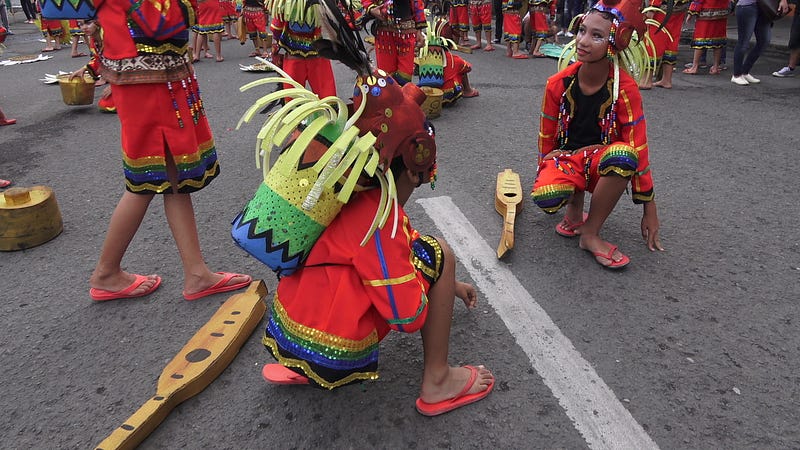
Before the pandemic happened, visitors could lodge in their homestays to observe and interact with the community. If you are willing, you can offer livelihood assistance not only to this tribe but also to other tribes in the Philippines.
Badjao Tribe
This tribe is also known as the “Sea Gypsies”. They can be found in different coastal areas in the country. They are deep-sea divers and expert navigators. You can see them swimming around ferries waving and calling to passengers to drop coins. They will dive and get it.
Tourists are entertained and amazed at how good and fast these people dive. Most divers are as young as 7 years old. Majority of the Badjaos practice Islam.
The Badjaos are an endemic fisher-folk. They use sustainable fishing methods. However, their surge in population has also severely depleted fish populations. The outcome is their struggle in order to sustain their livelihood. They make and sell handmade pearl strands to tourists as an alternative source of living.
Bagobo Tribe
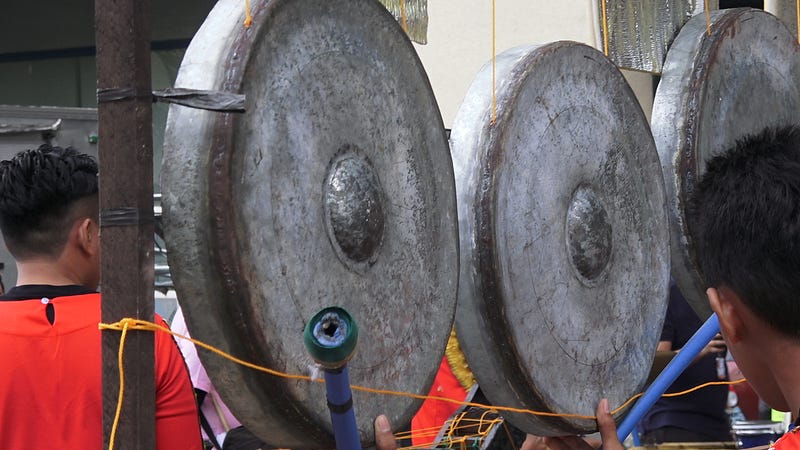
The Bagobos comprise one of the largest groups among the indigenous people of southern Mindanao and one of the famous ones as well. Their distinctive identity is rooted in history.
From the beginning and at this present time, the Bagobos are the predominant inhabitants of the vast areas extending from the west coast of Davao Gulf to the highest reaches of the famous Mt. Apo. They also call it Apo Sandawa. It is sacred ground for the Bagobos and home of the world-known Philippine eagle.
They practice agriculture, fishing, and hunting. They also specialize in weaving abaca cloths as well as basket-making that are trimmed with beads, fibers, and horsehair.
Batak Tribe
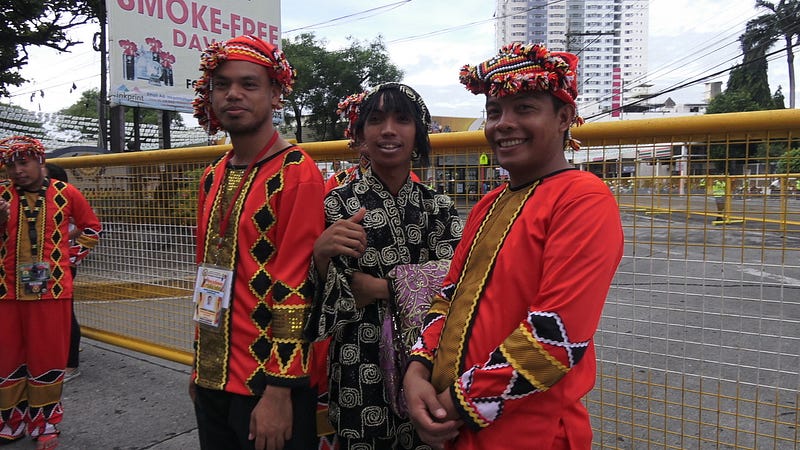
The Batak people are peaceful, shy, and hospitable. Yet, the Batak Tribe is said to be slowly vanishing. They are found in Palawan, the largest province in the Philippines that is located in the Mimaropa region. Palawan is also known for its white-sand beaches, coral reefs, turquoise waters, and impressive limestone rock formations.
They are known as traditional hunters and excellent gatherers. One of the the main source of their livelihood is selling almaciga (Agathis Philippines) resin, a marketable resin.
Almaciga resin is one of the two major non-timber products extracted from the forests of Palawan. It’s crystal-like stuff that burns slowly perfect for camping. You can try it when you get the chance to visit Palawan.
Dumagat Tribe
The term Dumagat was derived from the Tagalog word “dagat” or the sea. This is because their ancestors used to live along with the coastal areas of the country. In other articles, however, the term dumagat may have derived from the word “gubat” or forest and hubad (naked).
The Dumagats are semi-nomadic. Recently, they have learned to live in permanent settlements because before they usually moved from place to place in search of better habitation. Dumagat families are simple nuclear families.
Hunting, gardening, and raising coconuts are their livelihood. However, due to the depletion of forest resources because of logging operations, many of them now work as unskilled laborers for lowlander families. They also gather rattan and trade it.
Mangyan of Mindoro
Mangyan is the umbrella term for the eight indigenous people of Mindoro which is located southwest of Luzon in the Philippines.
This includes the Iraya, Alangan, Tadyawan, Tawbuid, Buhid, Hanunuo, Rataganon, and Bangon. Despite being grouped as one tribe, they differ in many ways.
These people have already been thriving on the island even before the arrival of Spanish colonizers in the mid-1500s. They were coastal dwellers in the beginning but eventually moved inland and into the mountains.
This is to avoid the influx and influence of foreign settlers. The Mangyans now live in secluded parts of Mindoro. They come down to the lowlands in order to make a trade.
T’boli Tribe (or Tiboli)
This tribe is located in Lake Sebu in South Cotabato, Philippines. In addition to their native language which is Malayo-Polynesian, many of them also speak Bilaan and Ilongo. They educate their kids not to lose their cultural identity through a cultural school.
The T’bolis are farmers. They practice the slash and burn method of agriculture by means of cutting the forest growth, burning the debris then planting in the clearing. The tribe’s primary crop is rice.
The tribe follows their traditional animistic religion. The word “Animism” is from the Latin word “anima” which means breath, spirit, and life.
“Animism” is the belief that objects, places, and creatures all possess a distinct spiritual essence.
Since the Tibolis believe that aspects of nature have spirits, they trust that if these spirits are not appeased they can cause the people great harm.
Tourists and visitors who stayed in their homestays enjoyed the cool temperature of the place. The visitors also enjoy hearing and seeing their traditional dances and songs.
Yakan Tribe
This tribe is one of the major indigenous tribes in Mindanao. They are branded as dream weavers.
They are famous for their art of weaving and are known as the finest weavers of the country. It takes weeks to finish a meter of weaved cloth for both the T’bolis and Yakans.
They mainly inhabit Basilan but also reside in Zamboanga City.
In Yakan folk stories, it is indicated that they are descendants of both migrating Dayak from Northeast Borneo and Sama from Johore, a state of Malaysia in the south of the Malay Peninsula.
Farming is their chief means of livelihood. They also live by farming corn and other root crops. According to the NCIP or the National Commission on Indigenous People, the majority (61%) of the indigenous people are found in Mindanao while a third (33%) resides in Luzon. The remaining 6% are scattered among the Visayan Islands.
The majority of Muslim tribes in the Philippines are mostly located in Mindanao. Even if the Philippines is a catholic country, we respect our fellow Filipino Muslims.
Most Muslim events are now considered National holidays. Some of these tribes have little to no access to proper health care. Education is also inadequate in most of them but not all.
The majority of their adults are illiterate. Many of these tribes are struggling to retain their cultural identity. Losing their ancestral domains because of environmental and resource management laws in the country is one of the many concerns these tribes are dealing with.
Wrapping Up
These days, there are many changes that you can easily observe from these different tribes. This is due to the influence of foreign cultures. Some of them have gone a long way.
Even though the majority of them are still in the hinterlands, others had become professionals such as doctors, nurses, teachers, as well as government officials and employees.
Most of all, the mix marriages influence the beauty of many Filipinos today.
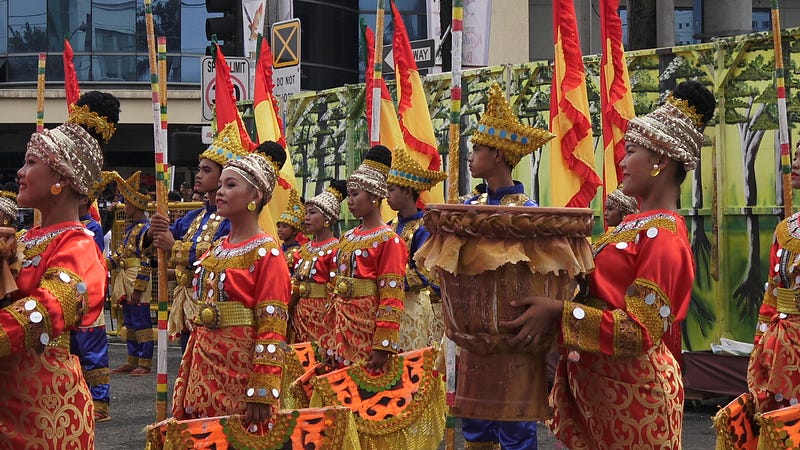
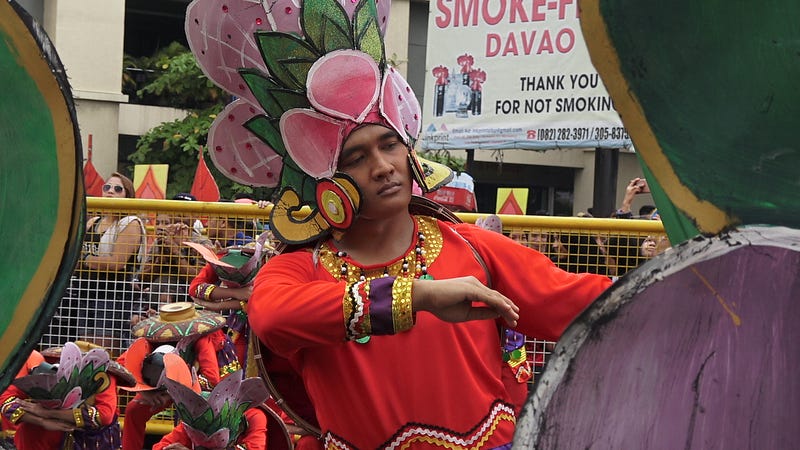
I created this video about different tribes during Davao City Festival. Hope you’ll love this.
Elvie is an educator, motivator to others. Photographer by profession. Covering articles related to true-to-life experiences, including travel videos. She aims to let others see the world through her viewfinder.