Get Ready for the Roaring 20s
Pandemic rebound risk
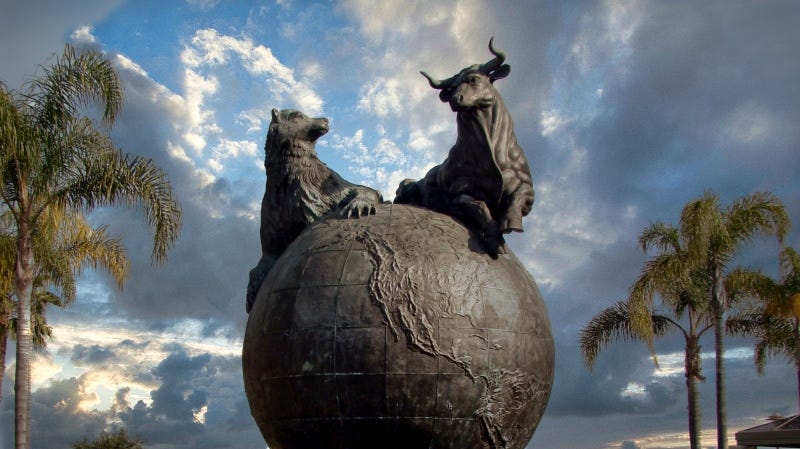
This new decade might be a replay of one a century ago though it must be said: “Past performance does not guarantee future returns”. Humanity is just not that simple.
“…it all ended with Black Tuesday and Grapes of Wrath starvation.”
The recent election has brought hope and optimism to me, even with the immense amount of work ahead to right this ship called democracy. The fiscal policies of the new Biden administration are showing to be both supportive of liberal ideals and evidence-based action. This is the kind of government that will restore the U.S. economy while tempering it with equity.
Improved trade agreements and the eventual removal of tariffs will create a good business environment. Combine this with the elation brought by a successful vaccine rollout and I would expect consumer optimism to be on the rise as well.
My hunches were supported by a recent NPR story about the roar in the roaring twenties being started by a social rebound after the Spanish Flu pandemic. People became extremely social after a long period of limited social interactions. This time we can again expect crowded restaurants and farmer’s markets, though I doubt we will see narrow fringed flapper dresses in those crowds. Cruise lines are also reporting high numbers of bookings for next year with patrons seeking “revenge tourism” (more on that later).
There are a lot of similarities but also some key differences
The rapid growth of the U.S. economy in the 1920s achieved 42% and can be largely attributed to technical innovations like household appliances, automobiles, and easy access to electricity. It was not all post-pandemic euphoria, the trajectory was set before the Spanish-Flu and was picking up where it left off. Similarly, today we are having enormous growth in tech areas, not so much at the base level, but in the application space. The human genome was fully sequenced in 2004 but only recently can we sequence DNA in a clinical setting in less than 24 hours instead of days — a real game-changer for rare genetic disease therapy. Other tech areas are showing rapid gains as well, whether it is Software As A Service, self-driving trucks, or agricultural robots.
Don’t mistake me for an optimist though, I will remind you of how it all ended with Black Tuesday and Grapes of Wrath starvation. In that era, amateur investors were overly optimistic about stock prices without regard to underlying fundamentals. Today’s huge influx of retail traders (you and I) are using apps like Robinhood where we can easily trade with a swipe. It’s not hard to imagine a crash occurring under the (shudder) next GOP administration eight years out.
Inflation in 1920 was getting out of control and a new monetary policy was put in place to curb inflation. Lowering Federal Reserve interest rates was one of the levers used then and currently, we have one of the lowest rates in history. Trade barriers were low in the 20’s and foreign investment heated up manufacturing. We may see some risk of inflation as tariffs are rolled back and trade deals rolled out but we will probably never see cheap American goods flooding global markets.
The biggest difference between the markets leading up to the Black Monday crash of ’29 and even more recent Black Mondays is our understanding of economics and the controls in place to halt trading based on volatility. Stopping the trading on GameStop was not popular but it was a safe move.
Another key difference is the consumer credit of the Roaring 20s was a runaway train despite not even having credit cards at the time. Consumer debt is a big risk to the economy but Americans have surprisingly paid some of this down in the past year while skipping trips to Disney World.
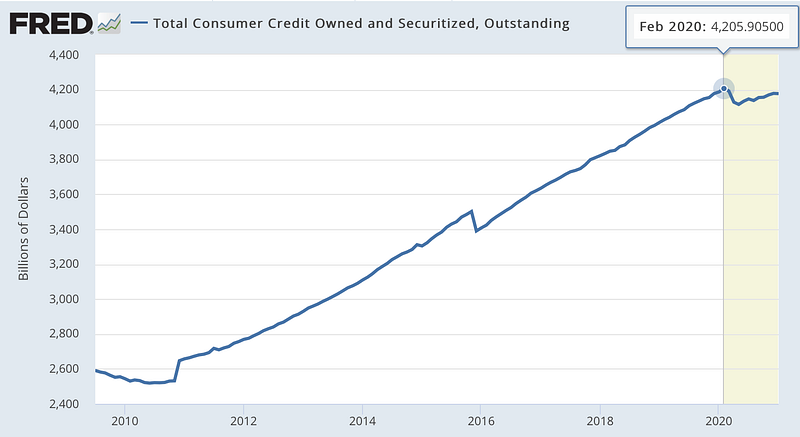
Even with many of the modernizations in the current banking system, there is a cautionary tale here about market optimism, cheap borrowing, and greed. What can you do about it? Pay off your credit card and stay out of penny stocks for starters.