
Addressing The Fear Of Not Helping Yourself Too Much
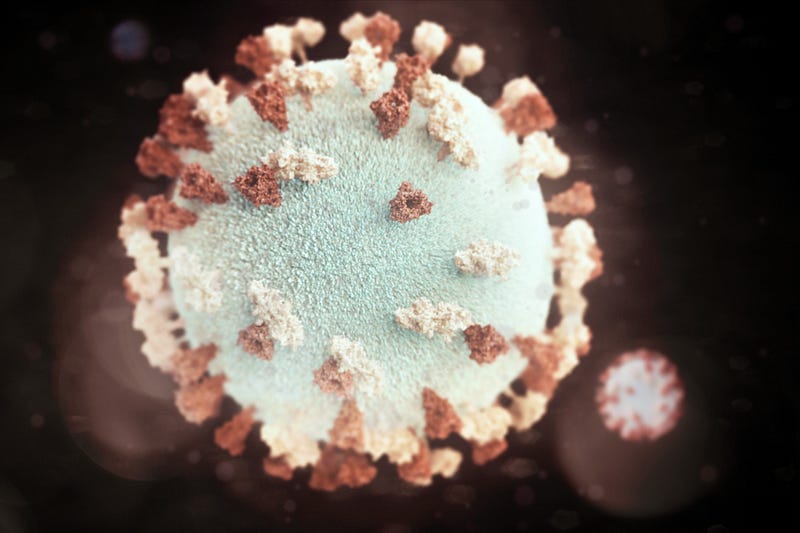
I mean if you are triggered by someone saying fear makes you vulnerable to diseases, then there you have it, what? More fear, what else? You were better off initially, your body-mind system would gradually accept it and learn to let go of what is not in your control.
But now someone comes and says fear decreases your immunity power and therefore susceptible to diseases. Boom, as if you had control over what will fear you or not. Bullshit, now you had lost any chance of recovering from the initial shock of a pandemic. Now you have more fear, not only fear but fear of fear.
People that cleverly informs you that fear makes you susceptible to illness does not have any clue on your psychology or mental state. You do not need more advice to keep you in the panic circle forever.
What you need is to have the acceptance and courage to stand with the what is and learn to cooperate with your body to ease off the stress and fear, that it is already suffering.
Everyone or most of us have fear of death, but saying fearing about death makes you susceptible to death is nonsensical as if you could just stop fearing the possibility of your own nonexistence.
What we perhaps need is to acknowledge our fear of death or any other fears right now and accept it fully and to even contemplate on the subject of fear without flinching or forcing but patiently and kindly cooperate with your body in easing off, to have clarity and releasing all the burdened and imprisoned fearful thoughts.
As human beings, we perhaps have the capacity to see clearly the futility of holding on to some fears and trying to control what is not in your control, etc not because someone said so or not because it is the ideal state because that would be forcing yourself to imitate someone or some ideal state.
And imitating is not helpful but being inspired by their wisdom as a drive for honest inquiry within ourselves can be great. So what is required of us as an honest meditative inquiry is to come in terms with ‘what is’ and to see it unflinching no matter how ugly it looks.
You can always come back to ‘what is’, you can always afford to because it is true anyway and you are alive. It may not be some ideal healthy state of being, but forcing yourself to be in a different state from what you are already is adding up more stress by pretending to be improving yourself towards some ideal future state. If you are honest you will see it is a futile attempt and the only sane move is to come back to ‘what is’.
And this is where self-improvement can get tricky and end up being an endless battle for nothing. Self-improvement is not an excuse to hide the shit deep down and hopes it never appears in our awareness and makes us feel bad again.
This is when self-improvement becomes masturbation as per Tyler Durden from Fight Club movie.
“If you begin to understand what you are without trying to change it, then what you are undergoes a transformation.” ― Jiddu Krishnamurti
Do not fall for the fear of missing out on the possibility of everlasting life or an ideal state if you fail to imitate some information or someone. When you fall for it, which is of course out of fear, then you will be just running around and escaping in hope but not facing what is.
If you are afraid then that is the truth, not some ideal fantasy of being peaceful or in some courageous state. The only sane move and difficult move is to accept that and learn to be with it. Any movement from fear is fear no matter what or who does it.
You do not need more information if you are willing to look into what is. You need more information because you hope you can imitate/copy it into some ideal state.
Thank You ❤


