
Get Fired Up! Top Five Ways YOU Can Help LGBTQ Kids!
Says Lambda Legal youth advocate Currey Cook
LGBTQ kids count among the most vulnerable in the U.S.
I write all the time about how queer youth are 5 times more likely to consider suicide than their cis/straight peers. I write about how up to 40% of homeless teens in the U.S. identify as LGBTQ. I don’t often write about how queer youth make up a hugely disproportionate percentage of kids caught in the criminal justice system, but they do. Twenty percent — about 57,000 — of all young people who reside in juvenile detention in the U.S. identify as LGBTQ.
What to do about all that suffering?
I work hard to raise awareness, and that’s important, but when people respond to my stories to ask how they can help, I don’t often have much to offer. That’s going to change today.
Meet a dedicated youth advocate with solid answers
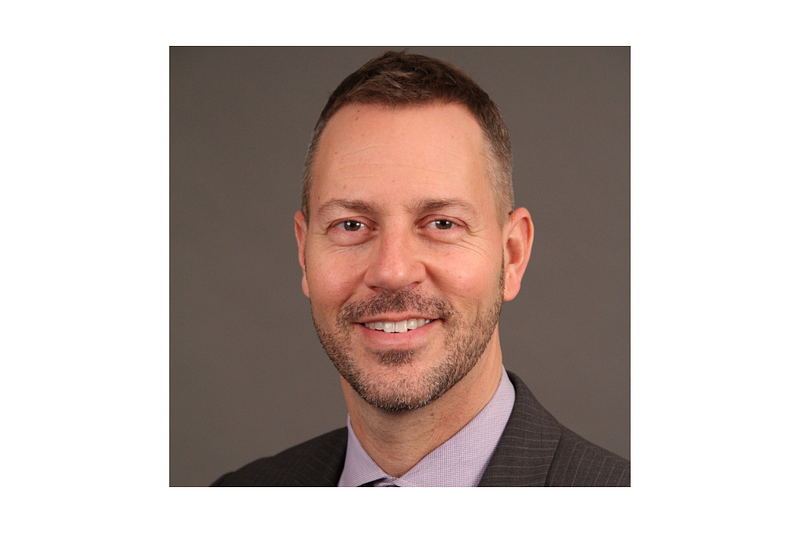
Shortly before Christmas, I read a story in LGBTQ Nation about a little-known hero, a man who grew up in the rural south, was active in 4H, and whose coming-out inspired him to work for queer kids. His name is Currey Cook, and he’s spent his life working in the legal trenches to fix these problems, often for one kid at a time. I got Currey on the phone and picked his brain about how ordinary people, LGBTQ and allies, can do a world of good. I’ve got a great list for you!
First, a brief rundown about Currey. He’s spent his life as a lawyer standing up in court for voiceless kids, many of them LGBTQ, Black, Latino, or Indigenous. In 2006, he received an Alaska Bar Association Pro Bono Service Award. He also received the Alaska Light of Hope Award for his advocacy on behalf of children.
Since then, he’s worked in the Bronx, in Washington D.C., and in Burundi on an American Bar Association initiative to assist reintegrating former child soldiers into the community. Today he lives in Brooklyn and works as senior counsel and child-advocacy project director for Lambda Legal, the LGBTQ-rights organization.
In his spare time, he co-authored Safe Havens: Closing the Gap Between Recommended Practice for Transgender and Gender-Expansive Youth in Out-of-Home Care, a groundbreaking report capturing legal protections for youth at the state level and sharing the voices and lived experiences of trans youth in care.
Currey’s story is fascinating — and if you want to know more, please read that LGBTQ Nation profile — but I’m not a lawyer and neither are most of my readers. That’s why I called him. I wanted to know what we ordinary people can do in the face of rising bullying rates and mental health crises among queer youth, especially in conservative parts of the U.S. where political rhetoric is so toxic these days.
How can we help kids like Eli and Lucas?
I reached out because I’m soul-sick over writing stories about kids like 12-year-old Eli, who killed himself a few weeks ago in the face of pervasive bullying by kids emulating the homophobia of respected adults in their lives. I’m tired to death of writing stories about kids like 15-year-old Lucas, whose community circled the wagons to protect a gang of transphobic bullies who sexually assaulted him for being in the “wrong” school restroom.
Unlike Eli, Lucas is fine for now. His family say he’s strong and he’s coping, but the toxins that fill the air in his high school are the same toxins that drive high suicide rates, other mental health problems, and homelessness that can lead to criminal justice problems.
I asked Currey how community members like you and me can work to lower those toxin levels. His answers were fast, solid, and enthusiastic. He wants us to know we really can help, and here’s how, in order from the simplest measure to the most demanding:
- Go to school board meetings! School board meetings across the U.S. have been besieged by parents outraged over transgender-inclusive policies and LGBTQ content in library books. News media cover this heavily, and kids are LISTENING, internalizing toxins if they’re LGBTQ, learning bullying behavior if they’re not. Whether you have kids or not, you have a right to speak at public school board meetings. Currey says please do that. Your voice is critical. Please speak words of love and inclusion directly to kids in your community. Make sure they know the toxic voices raised in anger are not representative. Pro tip: Some school boards require you to sign up in advance if you wish to speak. Make sure you look into that.
- Stand up in your community and help local officials understand mental health issues. Whether you’re at a school board meeting, a town council meeting, or talking to your state rep at a rally, emphasize LGBTQ youth mental health. Lead officials to Trevor Project suicide and mental health reports. Help them understand that toxic anti-LGBTQ voices in the public square are hurting kids directly and profoundly. Center love. Write to your local newspapers with love. Let kids hear you. Let community leaders hear you.
- Volunteer with youth mentoring programs. One caring adult can make all the difference to an LGBTQ young person in crisis. One caring adult can prevent that crisis. Be that adult. LGBTQ people often feel reluctant to volunteer because we believe our sexual orientations and gender identities disqualify us or make us suspect. That has sometimes been true, but things are getting much better. Even in conservative western Michigan where I live, Big Brothers/Big Sisters sponsors the Big Pride Mentoring Program for youth age 12 to 16 who identify as lesbian, gay, bisexual, transgender, queer, or questioning. They are actively seeking volunteers. Pro-tip: Currey says if you’re having trouble finding a queer-friendly mentoring program in your area, call your Local United Way office. They can probably steer you in the right direction.
- Volunteer as a CASA special advocate. Court Appointed Special Advocates are ordinary people like you and me who volunteer to get to know kids caught up in the juvenile justice or family court system and help judges understand their best interests. This might sound intimidating, but Currey says it really isn’t. Kids in “the system” need caring advocates who understand and relate to them. LGBTQ volunteers are rare but much needed. The CASA/GAL network enthusiastically welcomes LGBTQ people and allies. You don’t have to be a lawyer or anybody special, just a caring adult who wants to help. Click on the link and find out how you can step up for queer youth.
- Become a foster parent. Obviously, this is not a trivial undertaking, and it’s the last item on the list because it demands the most commitment. My partner and I became foster parents to an at-risk kid by accident. We said yes when saying no would have meant a world of hurt to a vulnerable child. But you know what? Even though our lives changed dramatically for the next several years, I wouldn’t trade those experiences for anything. LGBTQ teens are in desperate need of caring foster parents. If you’re in a place to help, you could change a life or even save a life. Want to look into it? Click here for advice from an agency that helps LGBTQ people navigate the system.
Get involved, raise your voice in love, and be the change
Awareness of problems is critical. Raising awareness is critical. We can’t do better if we don’t know the need exists, right? So I’m not going to stop exploring stories about LGBTQ kids who are suffering.
But taking action is critical too. So here’s a great list of things YOU can do to be the change. Currey’s perspective is critical and fascinating because of the decades he’s spent advocating in the courts for kids in crisis. What do you think about his list?
If you come from a different background, say in education or health care, what would you add to his list? What other actions can ordinary LGBTQ people and allies take to spread love and help queer youth thrive?
How can we all be the change?
My writing is always free to readers who click my social media links, but if you’d like to browse more, click here to join Medium. Your nominal membership fee will help support my work. To get an email whenever I publish a new story, Click Here.
James Finn is a former Air Force intelligence analyst, long-time LGBTQ activist, an alumnus of Queer Nation and Act Up NY, a frequent columnist for the LA Blade, a contributor to other LGBTQ news outlets, and an “agented” but unpublished novelist. Send questions, comments, and story ideas to [email protected].

This story is a response to the Prism & Pen writing prompt, Lepers or Loved: LGBTQ New Year Beginnings.


