
Get Comfortable With Credit
Debt doesn’t have to be scary.
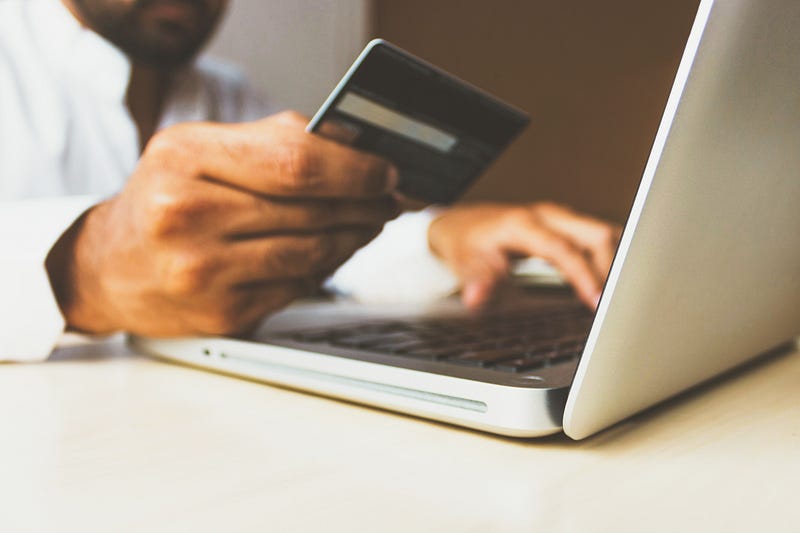
Man, if you got excited about creating your very own budget, you’re going to be on cloud nine for this one.
We’re going to explore the wonderful world of credit cards.
Get your popcorn ready (movie theater-style recommended) and buckle up. It’s going to be the ride of your life.
Alright, not really. But if you want to be a mean, lean financial machine, you’re going to have to understand the power (and risks) of credit cards. And, if you want some popcorn, go right ahead. Oh and stick around — there’s a picture of a puffin.
So let’s get popping.
Why do I need a credit card?
Let me ask you something. How do you usually pay for stuff? If your answer is “a debit card” or “cash” — this next sentence is just for you. You’re missing out. Let me tell you why.
- You’re not earning rewards.
- You’re not building your credit.
- You’re not maximizing your cash flow.
Most major credit card companies offer some sort of rewards program, including cashback, airline miles, and discounts. It’s pretty straightforward: you just use your credit card to pay for your usual expenses, and, in return, you earn rewards. Let’s say you have a 3% cashback perk. If you buy $100 of groceries, you earn $3. That’s $3 you didn’t have before — and wouldn’t have received with a debit card. This adds up faster than you’d think.
Another advantage is building your credit — which is important. Using a credit card (the right way) increases your credit score. In turn, it’ll be easier to apply for mortgages, car loans, increase your credit limit, etc.
Third, when you use a credit card to buy something, you’re not actually paying for it until a later date. But, when you use a debit card, that purchase is coming straight out of your checking account. That’s your cash bolting for the door as soon as you swipe. When you use a credit card responsibly, you maximize your cash flow.
Also, just as an FYI for those of you worried about security, credit card companies will protect you from fraudulent use of your card (i.e. unauthorized purchases or charges).
How do credit cards work?
Credit cards are an example of short-term debt. When you use a credit card, you’re borrowing money. Your credit card provider is saying “here’s a piece of plastic you can use to buy things, you can spend up to $X, and you’ll have to pay us a little bit each month or else we’re going to charge you fees.”
It’s pretty simple, but here are some important terms to know:
- Limit: the max amount you can have outstanding at any given time. Your credit card company will determine this based on your income and credit score.
- Last Statement Balance: the amount you spent during your previous pay period. You’ll find this on your bill.
- Minimum Payment: the minimum amount you owe each month to your credit card company. It’s usually around $25. Assuming you actually use your credit card, your minimum payment will be drastically lower than your last statement balance. You should never only pay the minimum payment.
- Annual Percentage Rate: a fancy way to say interest rate. It only comes into play when you don’t pay the entire last statement balance. If you only pay $500 of a $1,000 bill, you’ll then be charged interest on that remaining $500 until you pay it. Do not get into this habit.
What affects your credit?
Your credit score impacts your ability to open bank accounts, get loans, etc. You might be wondering: “Well I don’t plan on applying for a loan or getting a credit card, so why should I care?”
Glad you asked. Because lenders aren’t the only ones who care about your credit score or history. According to a 2012 study, roughly half of businesses run a credit check on applicants. They can’t see your score, but they can see a modified credit report that shows your debt and payment history.
Who else cares? Landlords.
Landlords are going to run a credit check before leasing out their real estate. If you have a troubled credit history, you’ll have to lower your living expectations — because higher-end places won’t take the risk.
So it’s important to maintain a high score for several reasons.
What impacts your credit score?

There are five components that make up your credit score:
- Payment history (35% of your score): how timely your payments are. If you always pay on time, no problem. If you have late or even missed payments, your score will suffer. Pay your bills on time. No excuses.
- Credit utilization (30%): the ratio of your outstanding credit card balances to your card limits. In other words, the percentage of your available credit that you’re using. For example, if you have one credit card with a $5,000 limit and a $1,000 outstanding balance, your credit utilization is 20%. The general recommendation is to keep your credit utilization below 30%, which can improve your credit score. Why? Because this demonstrates your ability to manage debt and your spending.
- Credit age (15%): the length of your credit history. How old is your oldest account? What’s the average age of your credit accounts? A long history of credit indicates you’re experienced with credit cards and know how to manage debt.
- Credit mix (10%): the variety of your debt — credit cards, car loans, mortgages, etc. Again, it’s all about experience managing debt (in this case, different types of debt).
- Credit inquiries (10%): the common misconception is that looking up your score actually hurts it. This is known as a soft inquiry and does not impact your score. What kind of inquiry does? A hard inquiry. Anytime you submit an application (like for a job or apartment) that requires a credit check, it shows up on your credit report. Two or three are fine and only hard inquiries made in the last 12 months impact your score.
What are some credit card best practices?
Look for cards without annual fees.
Credit cards don’t have to cost you anything. There are plenty of cards out there that offer solid rewards and don’t require you to pay an annual fee.
Always pay your last statement balance. Never just the minimum.
If you just pay the minimum, you’ll owe interest on the difference. In other words, if your last statement balance was $1,025 and you paid the minimum of $25, you’re going to be paying a ridiculous interest rate on that $1,000. Something to the tune of 20–30% or so.
The minimum payment is like a shovel. Every time you pay the bare minimum, it’s as if you’re digging a debt hole beneath you. You’ll never catch up — what you owe will continue to grow and grow and grow. And your debt hole will get deeper and deeper. The light above will slip away and the walls will collapse, burying you and forcing you into bankruptcy.
Too vivid?
If you always pay the last statement balance, your credit card is essentially free (unless your card has an annual fee). If you pay the minimum, you’re letting the banks profit off of you. DON’T DO THIS. Alright, hopefully I’ve stressed this enough.
Know your limits.
This one is twofold: credit cards have spending limits — but so do you. Just because Discover was willing to hand you a credit card with a $5,000 limit doesn’t mean you should be dishing out five grand a month.
Keep track of your expenses (with a sexy budget) and make sure you’re saving enough money to reach your goals.
Do you want to learn more about personal finance? But without the complicated jargon and dry explanations? Sign up here for Bits — our personal finance newsletter.