avatarDr. Fatima Imam

Summary

The article discusses the potential benefits and ethical considerations of cloning in preserving biodiversity and improving agriculture, while emphasizing the uniqueness of human life.

Abstract

The text delves into the scientific advancements related to cloning, suggesting that it could be a valuable tool in conserving endangered species and enhancing agricultural practices. It underscores the urgency of addressing biodiversity loss, particularly the threat to primates, and proposes that cloning might be part of the solution. However, it also raises concerns about the idea of human cloning, asserting that the individuality of human beings should be respected and not replicated. The author expresses gratitude to supporters and encourages readers to explore related literary works, while also providing links to their social media profiles for further engagement.

Opinions

  • Cloning is seen as a necessary step in preserving species diversity and improving agricultural productivity.
  • There is a strong focus on the importance of supporting strategies to prevent the loss of biodiversity, especially concerning primates.
  • The author advocates for a redirection of research towards conserving endangered species through cloning.
  • The article conveys skepticism about reproductive cloning for humans, viewing it as an affront to the uniqueness of human life.
  • The author values the unique nature of human beings and opposes the concept of replicating humans through cloning.
  • Acknowledgments are given to individuals who have contributed to the author's journey, indicating a collaborative spirit in the scientific community.
  • The author expresses gratitude to readers and the broader community for their support and encouragement.

Genetically Identical

Day 3: Cloning
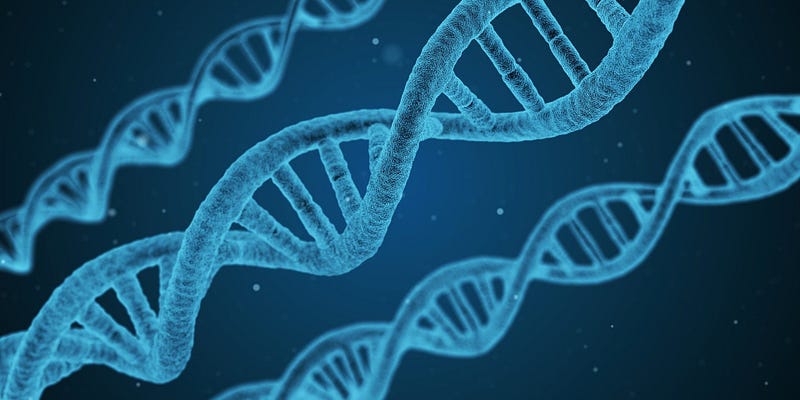
Image by Arek Socha from Pixabay

Scientific marvels propel humanity. Science reinforces theories based on reason. Scientists want to make the world a better place. Social biology enhances our knowledge about evolution

Our planet is predicted to lose 1,000,000 species. Our focus should be on supporting strategies that can stop or avert the disaster. Our closest relatives, the primates, are the most affected ones. Our altruistic approach can redirect research towards bringing back are endangered species.

If cloning* is the next step toward preserving the diversity of species, it must be done. If reproductive cloning can improve agriculture, it must be done. If cloning is being conceptualized to replicate us, it sounds ridiculous. We are one-of-a-kind beings, and we should enjoy this unique privilege.

© Fatima Imam (All Rights Reserved)

  • *Replicate a fragment of DNA placed in an organism.

Thank you so much Somsubhra Banerjee and Priyanka Srivastava. So happy to join this journey:

Please check out the poems in response to the challenge here:

Forever grateful to all of you for taking the time to read and supporting my words. Stay Blessed, motivated, and live your life to the fullest. ❤️❤️❤️❤️❤️❤️🙏🙏🙏🙏🙏🙏

Twitter: https://twitter.com/drfaimam/

Instagram: https://www.instagram.com/drfaimam/

LinkedIn: https://www.linkedin.com/in/fatima-imam-historian/

Poetry
Napowrimoshabdaaweg
Literary Impulse
Science
Life
Recommended from ReadMedium
avatarMonoreena Acharjee Majumdar
One

Nightly Clouds, Halogen Cafe, Catching the Ray

3 min read