
Generative AI : To unleash its potential, more then just an AI solution needs to be in place.

AI has been a hot topic of late. With both Snowflake and Databricks making AI partnership announcements at there respective conferences. I have found myself processing everything I heard, read, and saw demonstrated; I couldn’t help but reflect on the remarkable progress the data industry has made over the past 27 years that I’ve been involved. Generative Artificial Intelligence (AI) is looking to revolutionize the way businesses operate by enabling them to generate creative content, simulate real-world scenarios, and make data-driven decisions.
However, amidst this time of reflecting, I realized for generative AI initiatives to be more successful and deliver meaningful results, I feel it has never been more imperative to have a solid data models and robust data governance framework in place. Now, in no way am I saying it is a must have. But I do feel your success will be greatly impacted by not having them in place.
So, I thought be best to explore the significance of these foundational elements and their role in supporting generative AI business initiatives.
First, what is all this Generative AI?
Generative AI refers to the ability of an Artificial Intelligence solution to autonomously generate new and original content. This content could be images, text, code, and even predictive analytics. This technology holds immense promise across various verticals, including healthcare, finance, manufacturing, higher education and many more. From designing new products and optimizing supply chains to enhancing customer experiences by creating personalized content, generative AI has the potential to revolutionize businesses. BUT… The output generated will only be as good as the data and foundation you have in place to feed it.
The Importance of Solid Data Models:
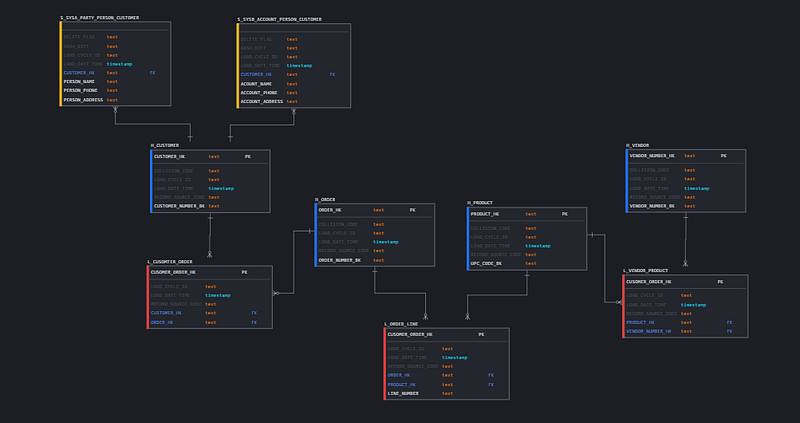
A solid data model serves as the backbone for any data-intensive initiative, and generative AI is no exception. It provides the foundation for organizing and structuring data in a manner, ensuring data integrity and consistency. A well-designed data model enables businesses to effectively manage complex datasets, establish relationships between different entities, and define clear data structure hierarchies.
When it comes to generative AI, having a solid data model is crucial for training AI models. The model allows for efficient storage and retrieval, making it easier to process and analyze large volumes of data. It enables organizations to combine structured, semi-structured and unstructured data sources, facilitating the discovery of meaningful patterns and insights. Moreover, a data model helps establish a standardized story about your business, enabling seamless integration and interoperability across different systems and applications. In opposite to just throwing random data files into storage repositories with no defined structures or relationships as found in some Data Lakes.
The Role of Data Governance:
Data governance encompasses the policies, procedures, and practices that ensure the proper management, quality, and security of data within an organization. For generative AI initiatives to succeed, a fundamental data governance framework is essential. It ensures that data used to train generative AI models is accurate, reliable, and compliant with regulatory requirements. Additionally, data governance establishes clear guidelines for data access, usage, and privacy, safeguarding sensitive information.
Effective data governance enables businesses to establish data lineage, tracking the origin and transformation of data throughout its lifecycle. This visibility and accountability are crucial in ensuring the trustworthiness of generative AI models. Data governance also facilitates collaboration and coordination among different domains and teams, ensuring consistent data definitions and minimizing errors or discrepancies.
Furthermore, data governance plays a pivotal role in addressing ethical considerations associated with generative AI. By implementing guidelines, organizations can try to avoid biases, discrimination, and in appropriate use of AI-generated content. It supports responsible AI development, ensuring that generative AI initiatives takes legal and ethical standards into consideration.

As businesses look embark on their generative AI journey, this author’s humble opinion truly believes having solid data models and robust data governance framework are critical. These foundational elements provide the structure, organization, and accountability required to harness the full potential of generative AI. By investing in a well-designed data model and implementing effective data governance practices, I feel organizations can drive innovation, optimize processes, and create a competitive advantage in an evolving AI landscape. Embracing these critical components will empower businesses to navigate the complexities of generative AI while striving for more accurate AI-generated content.