
Gender Related Elder Abuse in Female Health Care Providers
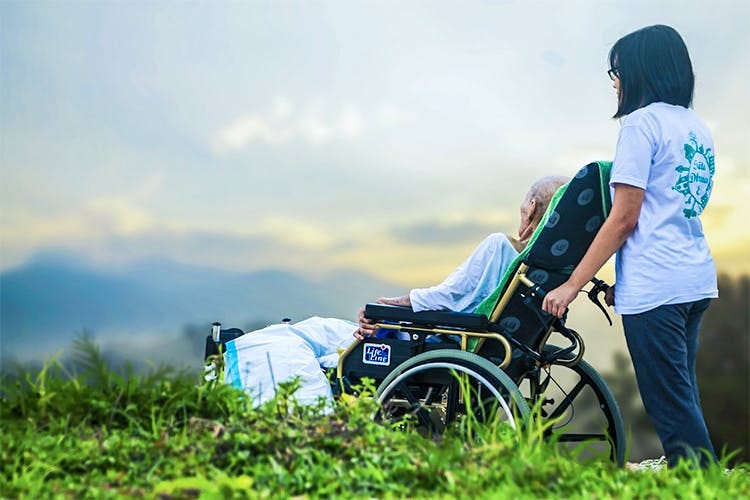
Elder abuse by female caretakers can result from professional distance. Recognizing an elders need to connect reflects their own, leads to trust and hope.
While there has been a great deal of attention given to gender issues as they relate to domestic related elder abuse, there are other environments, such as hospitals and long term care settings where elder abuse is common, yet the role of gender as it relates to abuse in these settings has remained largely ignored. Those who run nursing homes have long said that, despite elder abuse laws, safety issues and lack of quality care are inevitable since the staff is caring for patients in the final, difficult stages of death.
Elder Abuse in Facilities Staffed Primarily by Women
Since women comprise the vast majority of the staff who are the ones on the front lines providing the daily care, it has also subtly been suggested that such safety problems and other factors related to harm in the elderly are understandable when considering a woman’s nature. In particular it has been implied that women’s emotions when caring for the terminally ill, might sometimes get in the way of quality care.
Since 1970, many articles have shown that nursing homes frequently fail to meet even the most basic standards of care once more attributed to eldercare nurses. Yet in reality since the early years of the 21st Century, 90% of all nursing homes, staffed almost exclusively by women for routine, day to day care, were critically understaffed, many dangerously so. This is a critical issue when considering outcomes of eldercare nursing. In addition, largely due to dangerous levels of understaffing, more than one third of nursing facilities were found guilty of serious violations of state and federal laws, generally involving some type of elder abuse or neglect.
Shifts in Views of Eldercare Nursing
Once caretaking was glorified as a female pursuit, and those who excelled at it were looked upon with admiration. Now times have shifted, and tasks considered to define the core of successful caretaking, are disparaged as not involving legitimate or acceptable activities that should be expected from professionals. So women health care workers have come to consider any display that might be equated with nurturance as the failure to establish proper boundaries. Studies indicate they also resent having their positions be redefined as “caretaker” despite being in the field of eldercare nursing, interpreting this as growing disrespect for their careers, resulting in not be taken seriously as the highly trained professionals they consider themselves.
Professional Distance and Eldercare Nursing
At the same time, Medicare and Medicaid have pumped millions of dollars into the method of eldercare without realizing that most difficulties may not be solvable by medication and surgery alone. This yet further supports the conviction that the medical model is the most appropriate and applicable standard to utilize when deciding how a hospital or long-term eldercare facility should function. This also reinforces the belief for women caretakers in particular, that it is crucial to maintain a “professional distance”, an unquestioned assumption taught to and expected of all health care providers. This includes the assertion that any degree of closeness, affection or attachment to patients will cloud one’s thinking and can lead to errors in judgment. Female eldercare nurses are also concerned with any unprofessional behavior possibly leading to the loss of authority and control over their patients.
Potential Harm to Elders and Care Providers from Distancing
Yet such a model emphasizing “professional distance” is exceedingly harmful to the needs of the elderly as well as those who work with them. This deliberate creation of boundaries between caretakers and those they care for, creates a type of abuse not generally recognized, but one that almost inevitably leads to some degree of suffering. Elderly individuals in hospitals and long-term facilities are surrounded by individuals who are supposed to be devoted to taking care of them. Yet at the same time these same individuals purposely refrain from getting to know the elderly person as an individual and refuse to share any indication of their own humanity, or personal experiences even those that might relate to what the elderly patient is going through. This paradox can create the cause elderly patients to assume that they have nothing left of interest or usefulness to contribute and are not worth spending meaningful time on, even by those who have pledged to take care of them. At the same time, the health care staff does sometimes sense a degree of unnaturalness and discomfort in such an arrangement but the underlying assumptions related to the importance of maintaining professional distance are frequently too well established and internalized to fight against.
Disclaimer: The information contained in this article is for educational purposes only and should not be used for diagnosis or to guide treatment without the opinion of a health professional. Any reader who is concerned about his or her health should contact a doctor for advice


