Frederiksberg Alle is a historic and architecturally significant avenue in Copenhagen, known for its elegant buildings, rich history, and cultural landmarks.
Abstract
Frederiksberg Alle, once a royal passage connecting Copenhagen to Roskilde, has evolved into a picturesque street lined with trees and architectural gems. It stretches from Vesterbrogade to Frederiksberg Runddel, offering a glimpse into Denmark's past with its precise brickwork and ornate design elements. The avenue, open to the public since the 19th century, features a variety of residential buildings, many of which are apartments built around 150 years ago. The street is adorned with cast-iron railings, French balconies, and cobblestone squares, with the falcon symbolizing Frederiksberg. Notable attractions include the English romantic-styled Frederiksberg Gardens, the art nouveau Sans Souci building, and the cultural references to Hans Christian Andersen's tales. The article also touches on the personal experience of the author, who finds delight in photographing and exploring the street's offerings.
Opinions
The author expresses surprise at finding a newspaper article about Frederiksberg Alle shortly after writing an outline for their own essay on the subject.
There is a sense of wonder regarding the collective unconscious possibly influencing ideas about the street.
The author holds Frederiksberg Alle in high regard, describing it as one of the most elegant streets in the Copenhagen area.
The author appreciates the architectural details, such as the copper sulphate patina on buildings and the precision of the brickwork.
The falcon benches on St. Thomas' Square are highlighted as a unique and glorious feature of the area.
The author suggests a sense of community and tradition, with many older, well-connected Danes residing in the large apartments along the avenue.
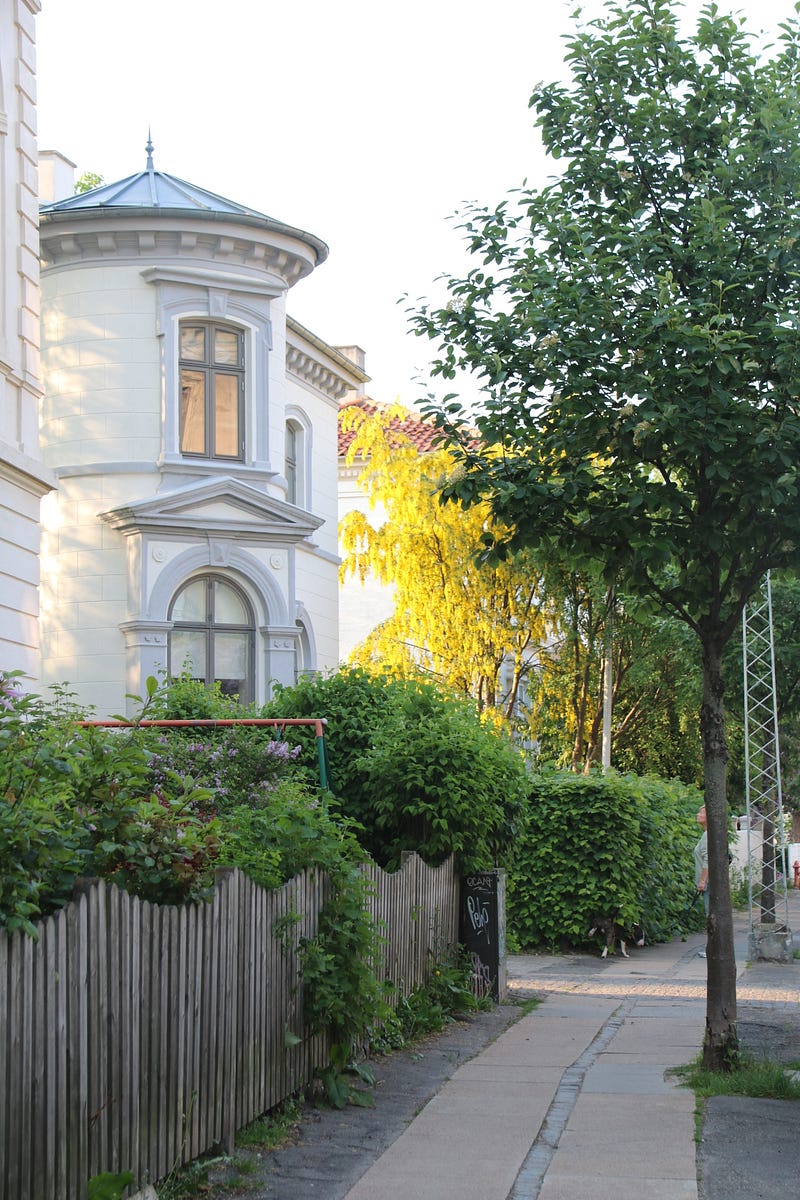
There is an admiration for the street's ability to blend urban and rural elements, with lush foliage and wooden fences creating a peaceful atmosphere.
The author recommends renting a bicycle to explore the city and enjoy the architectural details of Frederiksberg Alle.
A personal fondness is expressed for Hans Christian Andersen's folk tale "What the old man does is always right," which the author has seen performed in Tivoli Gardens.
The author invites readers to engage with the essay by liking it, sharing it on social media, and reaching out for a guided tour.
There is an acknowledgment of the accidental early publication of the essay and a promise to expand on certain topics, like the Sans Souci building, in future works.
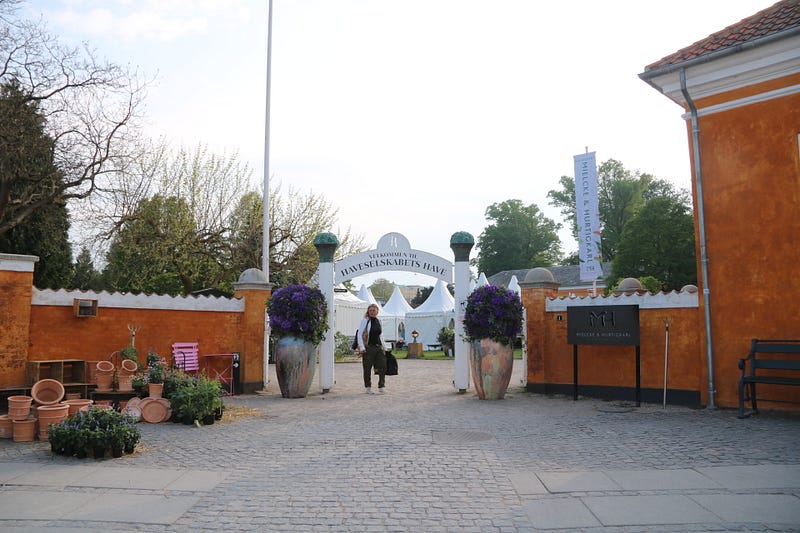
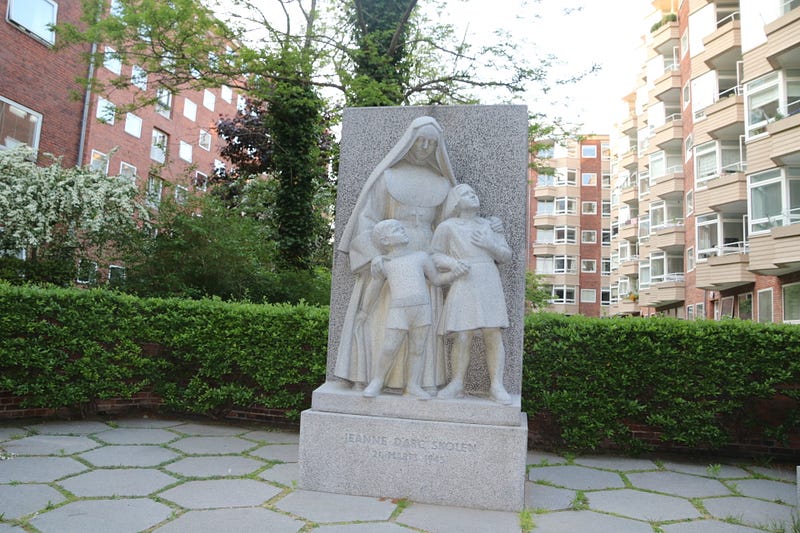
Side entrance to Frederiskberg Gardens
Frederiksberg Alle
Frederiksberg Alle is a tree-lined avenue that stretches from Vesterbrogade to Frederiksberg Runddel (circus) at the main entrance to the English romantic-styled landscaping of Frederiksberg Have (Park). The main entrance of Frederiksberg gardens opens out onto this beautiful street.
Previously called Kongevejen (Kingsway), Alléen and Ny Kongevej, it was created between 1700 and 1704 to connect Copenhagen and the original capital of Denmark Roskilde, where all the royals from the middle ages are buried.
Residents had keys to the gates at both ends until 1833 when non-commercial traffic was permitted. In 1862 the cast iron gates were removed completely and horse-drawn carriages were permitted to enter. You can see what is left of the original gates at Frederiksberg Rundel and at the entrance to Frederiksberg Gardens.
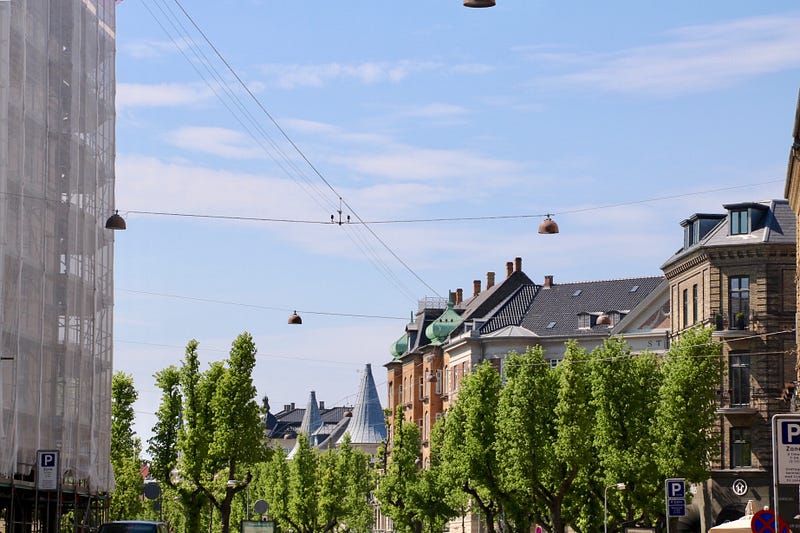
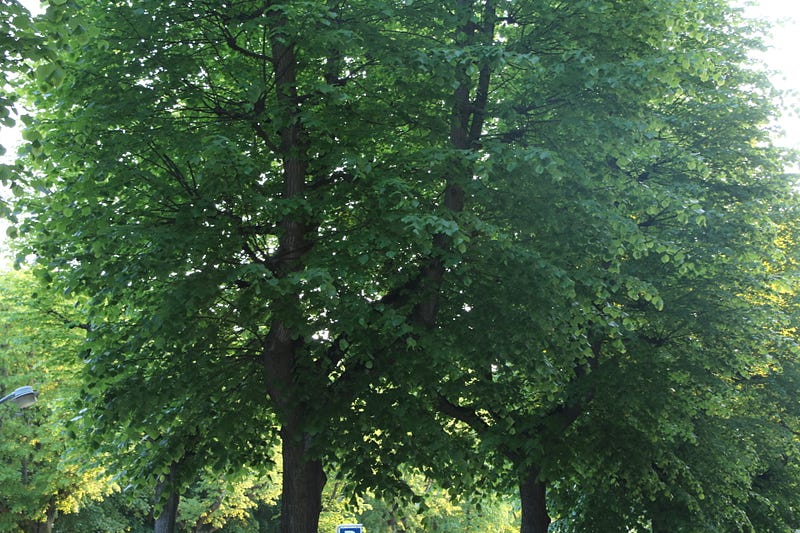
With its architectural gems, wide pavements and beautiful trees, this of one of the most elegant streets in the Copenhagen area.
Imagine my surprise when I opened the local newspaper and found an article about this street a week after I had written an outline and taken photos for this essay for Medium. I wonder if that group of people I chatted to outside a restaurant had a journalist in their midst who pre-empted my idea. Or was it just the collective unconscious pushing the ideas though to our conscious selves?
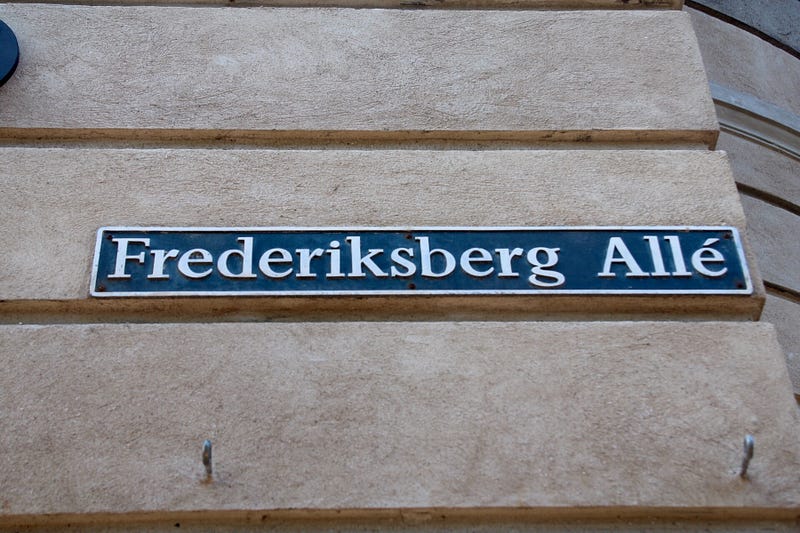
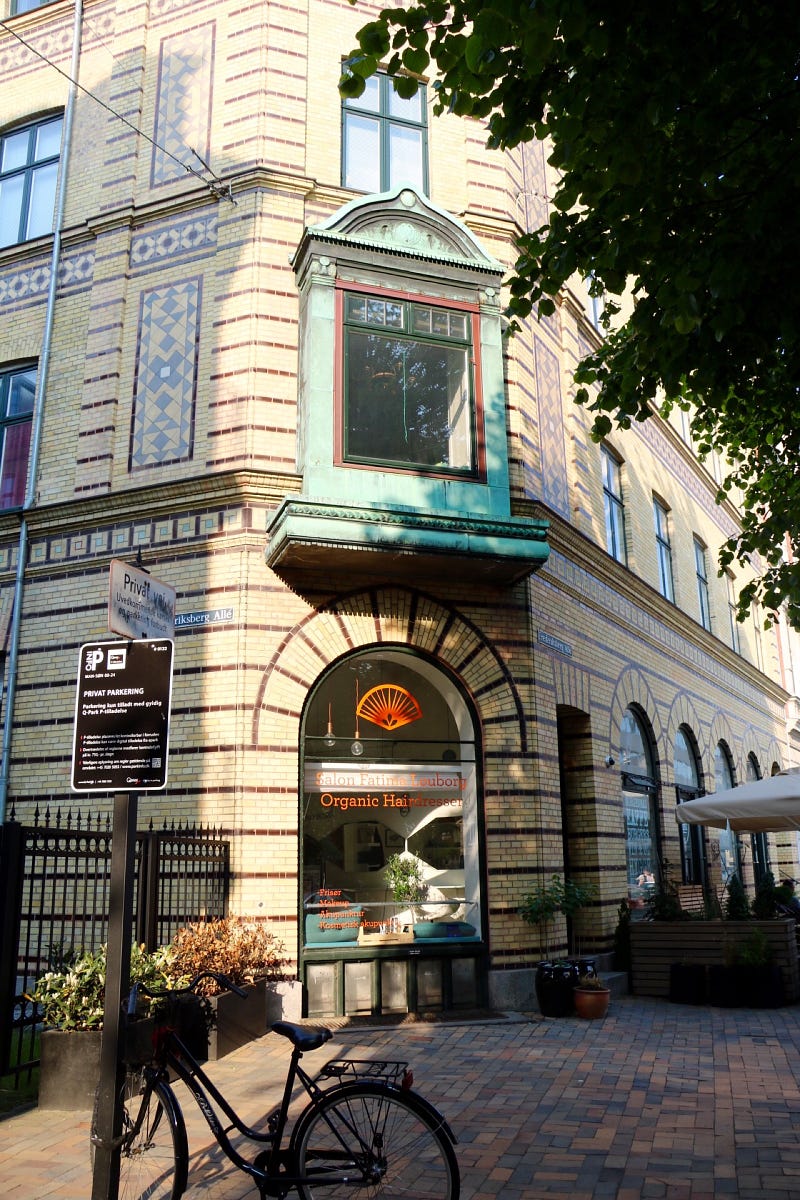
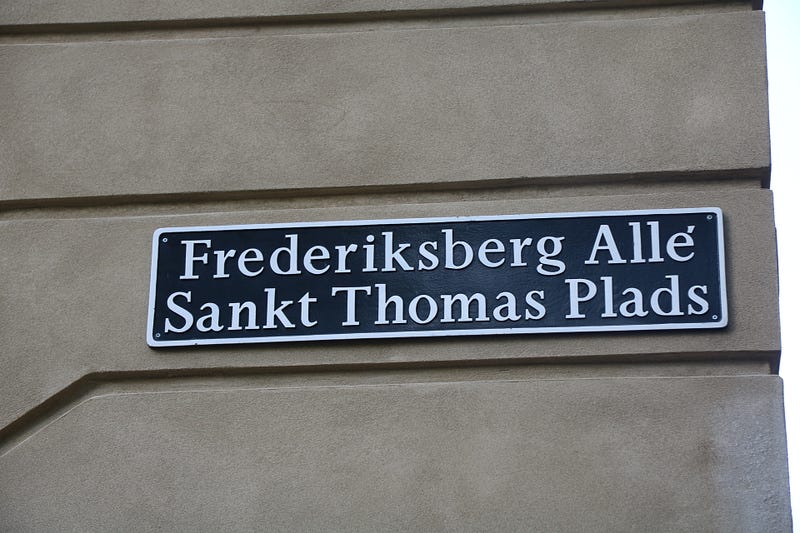
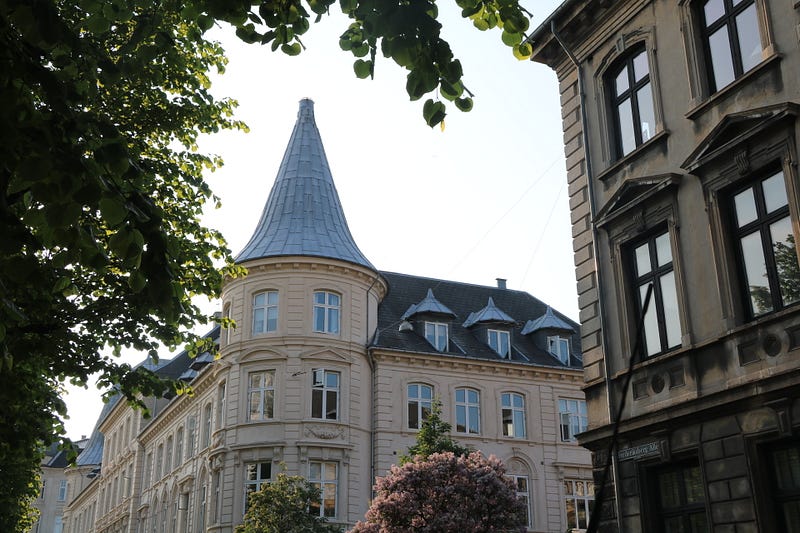
Classic font with white lettering on a blue background is set off by the warmth of the pink-tinted wallsTruncated corner window framed in copper, now compeltely covered with the copper sulphate patina
Copper surfaces all over the city have reacted with the surphur dioxide in the air to make copper sulphate, giving this frame its distinct turquoise colour.
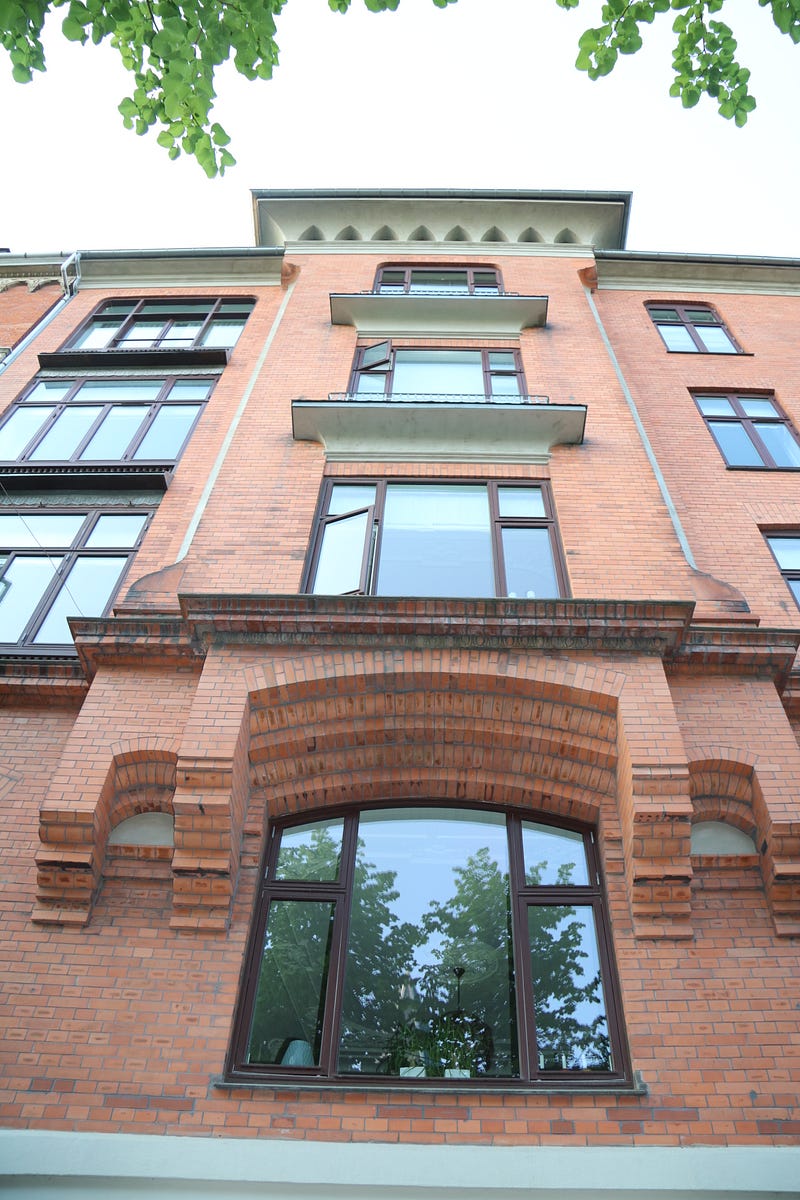
The romanesque arches illustrate brickwork (above) that is unfathomably precise.
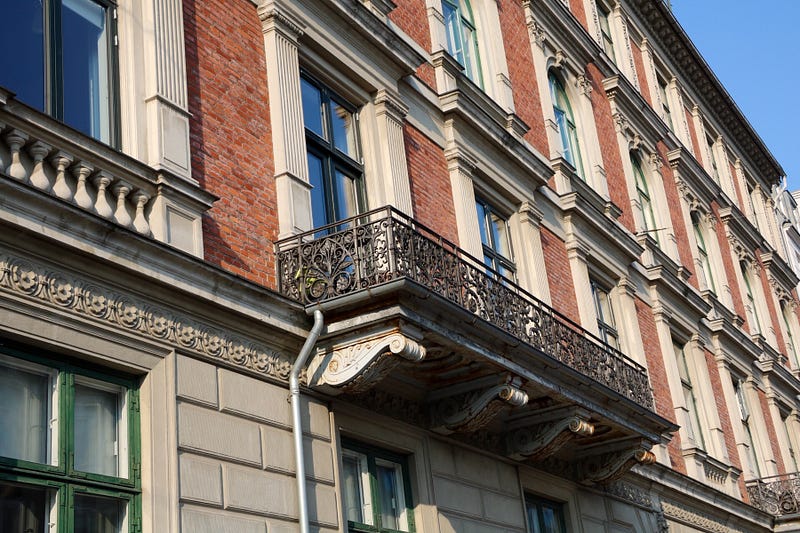
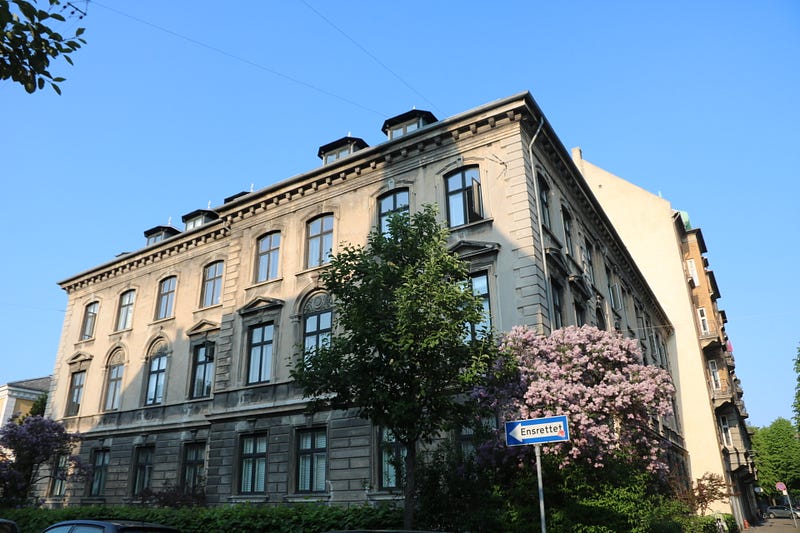
Cast iron railings and ornate french balconies. Ornamentation is geometric for the most part, with just a slight flourish over the second-floor windows and a muted floral embellishment over the ground-floor windows.This is the beginning of Frederiksberg Alle, looking towards Vesterbrogade.Looking from the opposite direction from the previous photo.
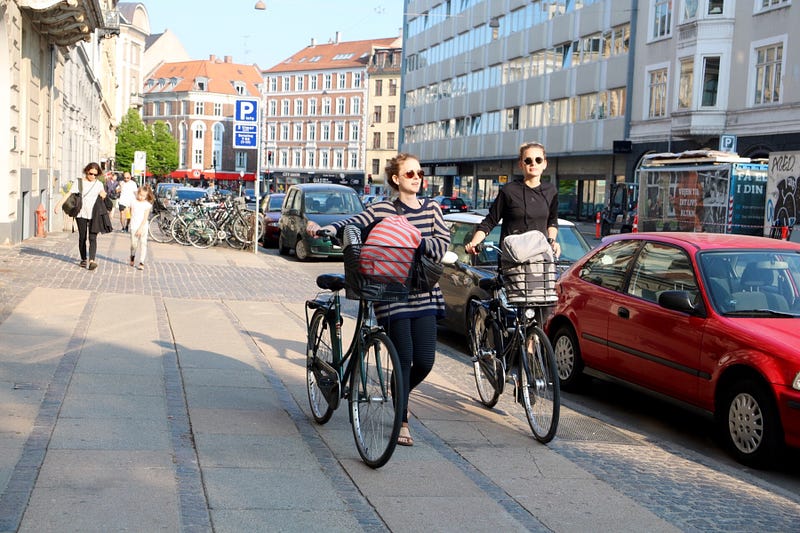
The paving is a mixture of concrete slabs and stone, the same all over the city, easy to walk on, even in high heels. Have you ever tried walking in high heels in Lisbon?
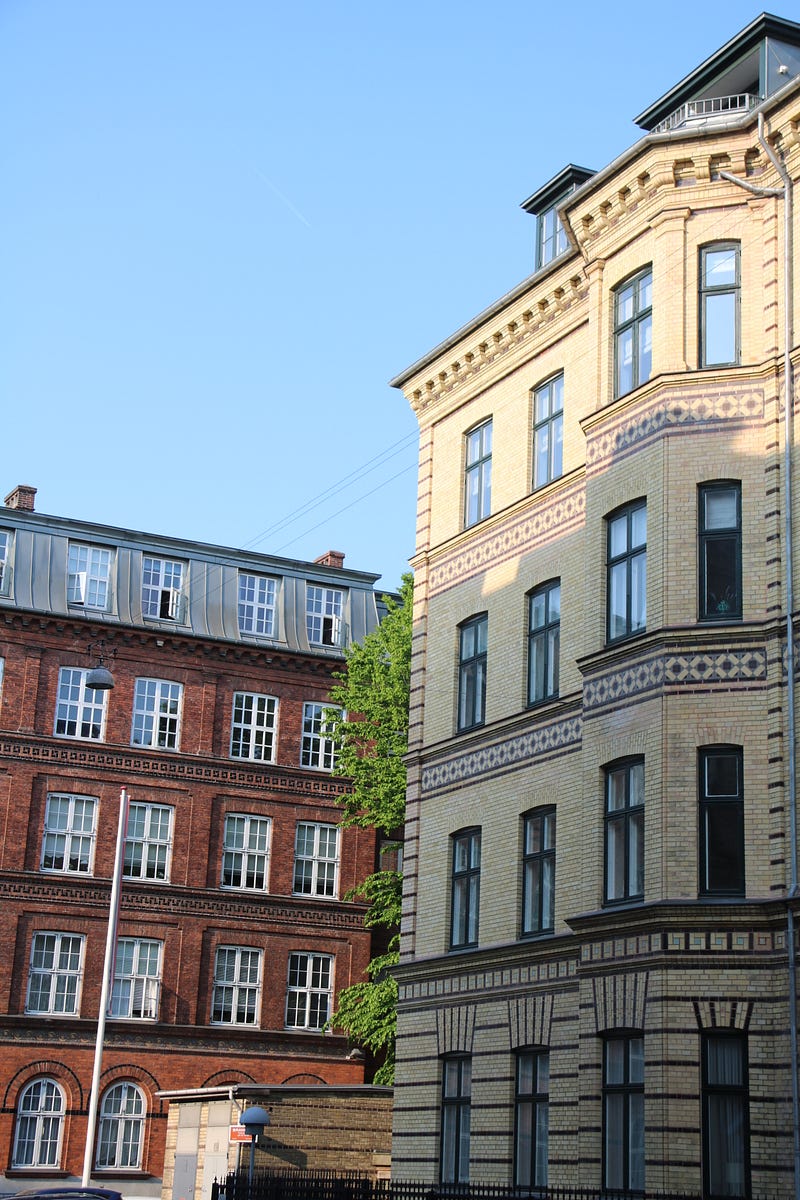
Red bricks on the left. Blond bricks on the right.
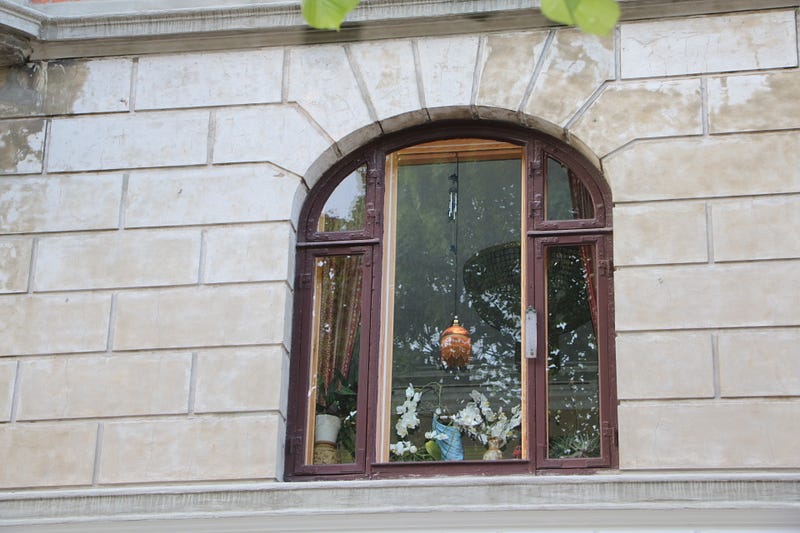
Square multiple-paned windows in the red-brick building above the ground floor provide a stable counterpoint to the ground-floor windows with circular arches and multiple panes. The window style on the right is the classic “dannebrog” window, harking to the same proportions as the Danish flag turned on its side.
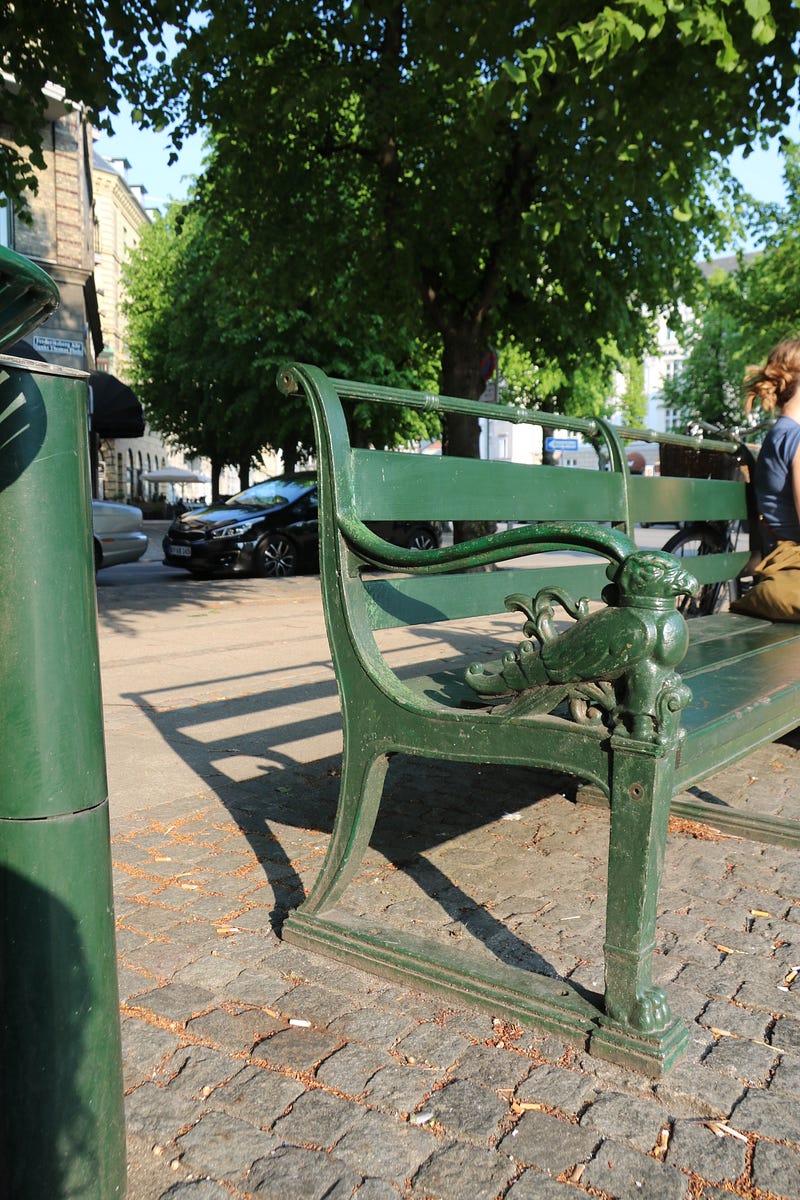
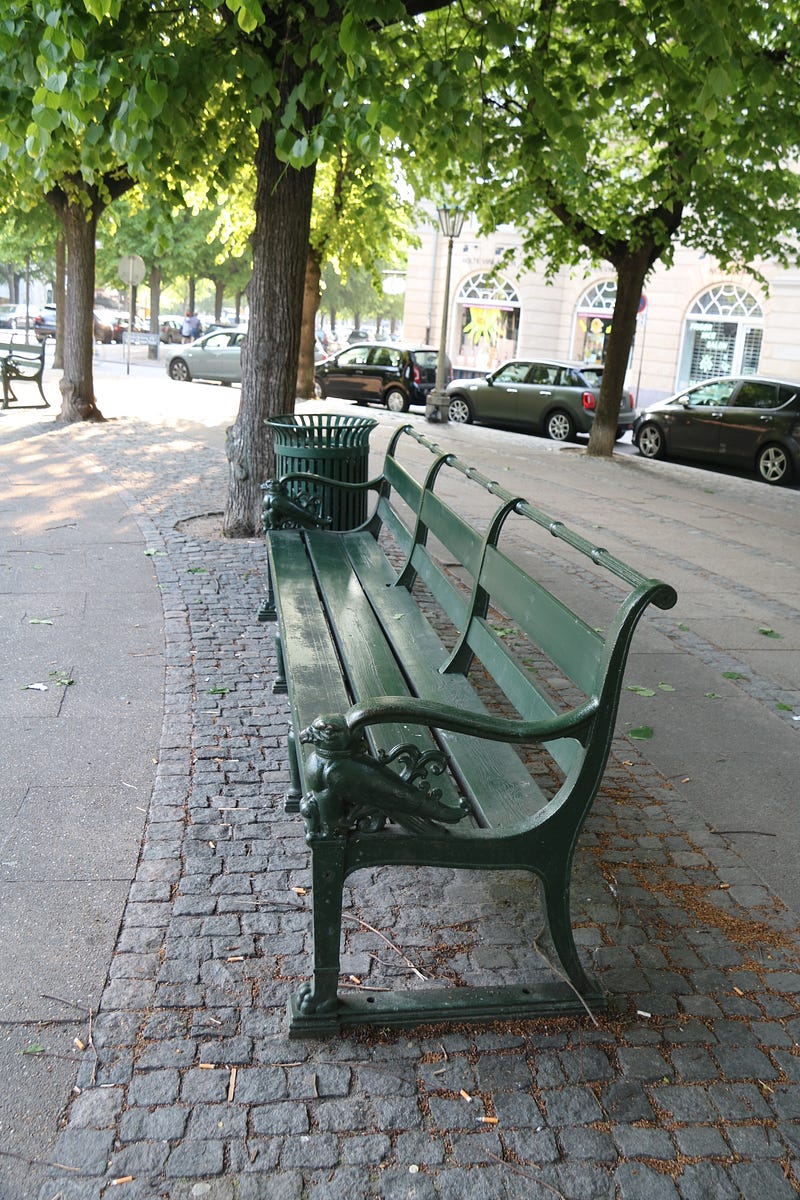
The falcon is a symbol for Frederiksberg; here on the cast-iron-and-wood benches at Saint Thomas’ Square.Saint Thomas’ SquareThere are ten of these gloriously ornamented falcon benches on St. Thomas’ Square. Note the latticework over the shop windows in the background.
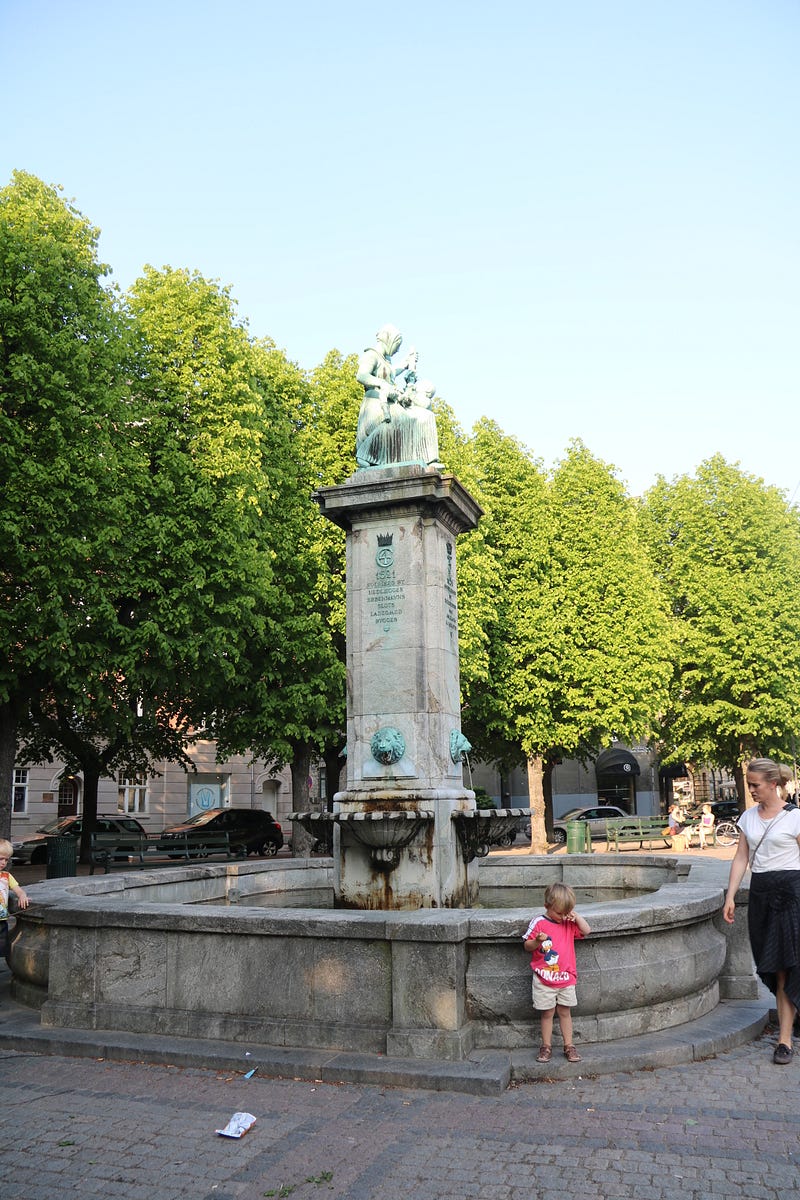
St Thomas Square is completely cobblestoned and is very noisy for the residents, especially at nighttime, as it reflects much more noise than asphalt.
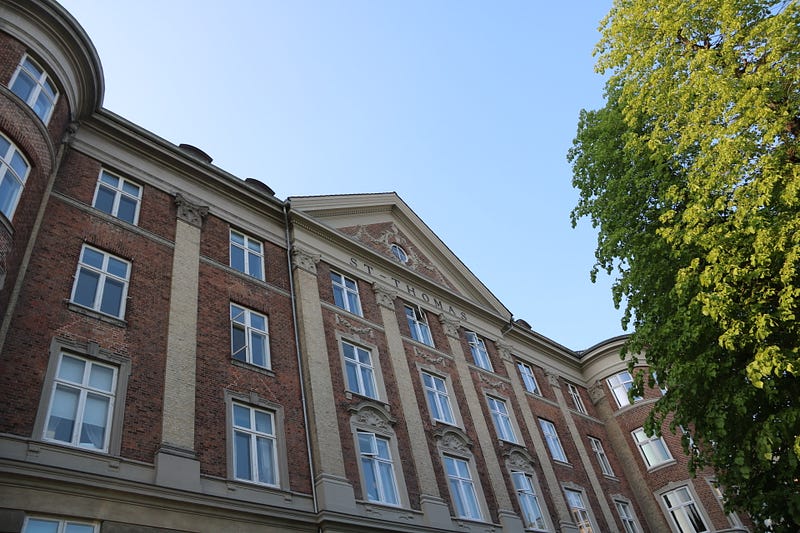
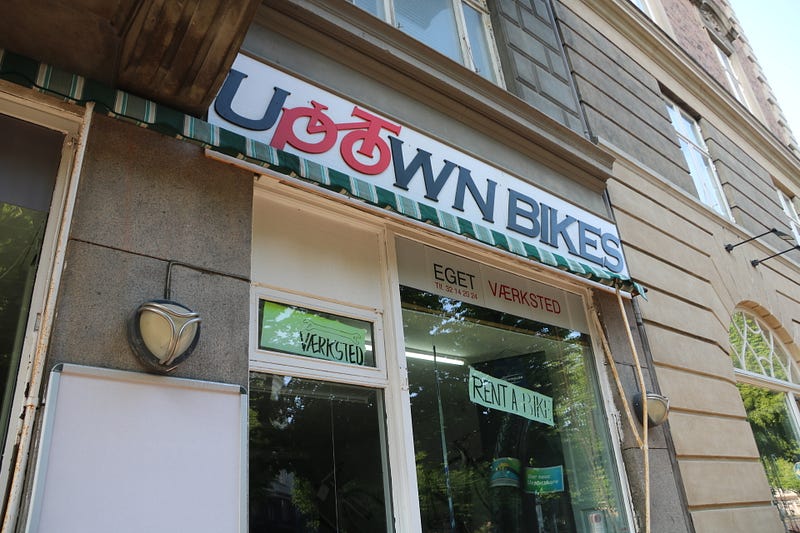
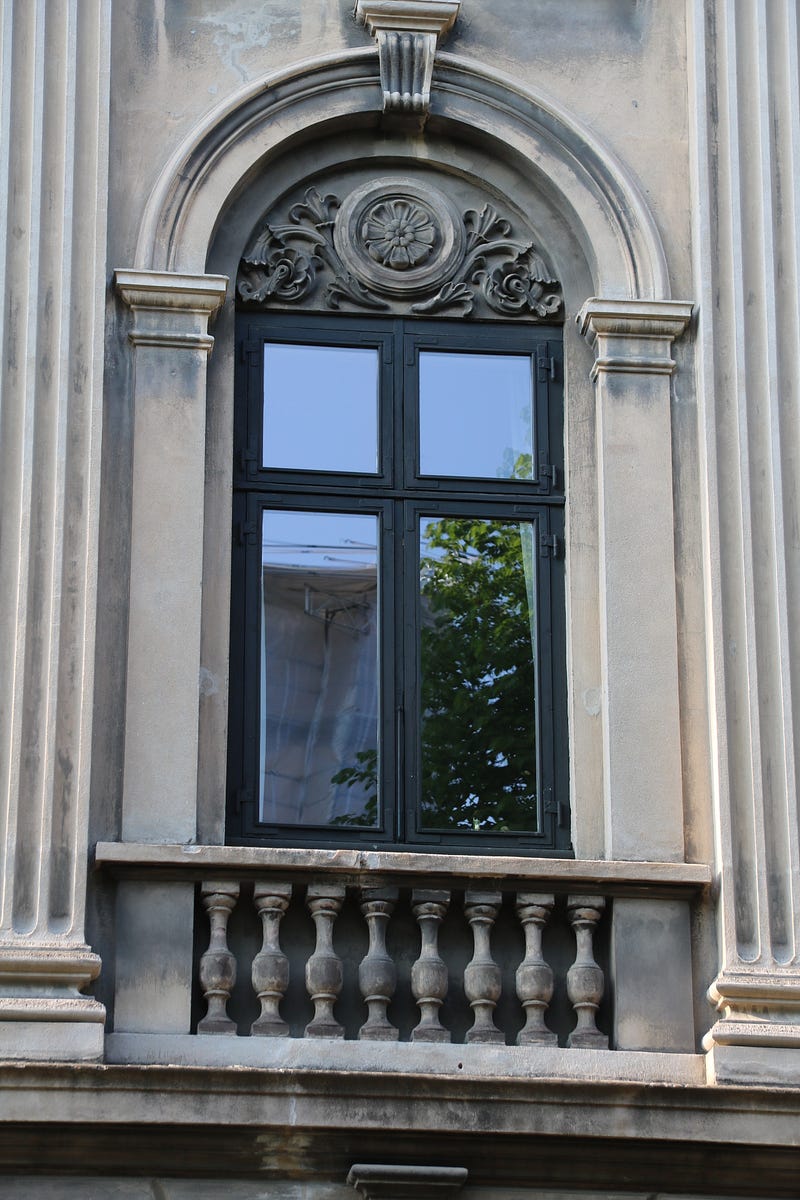
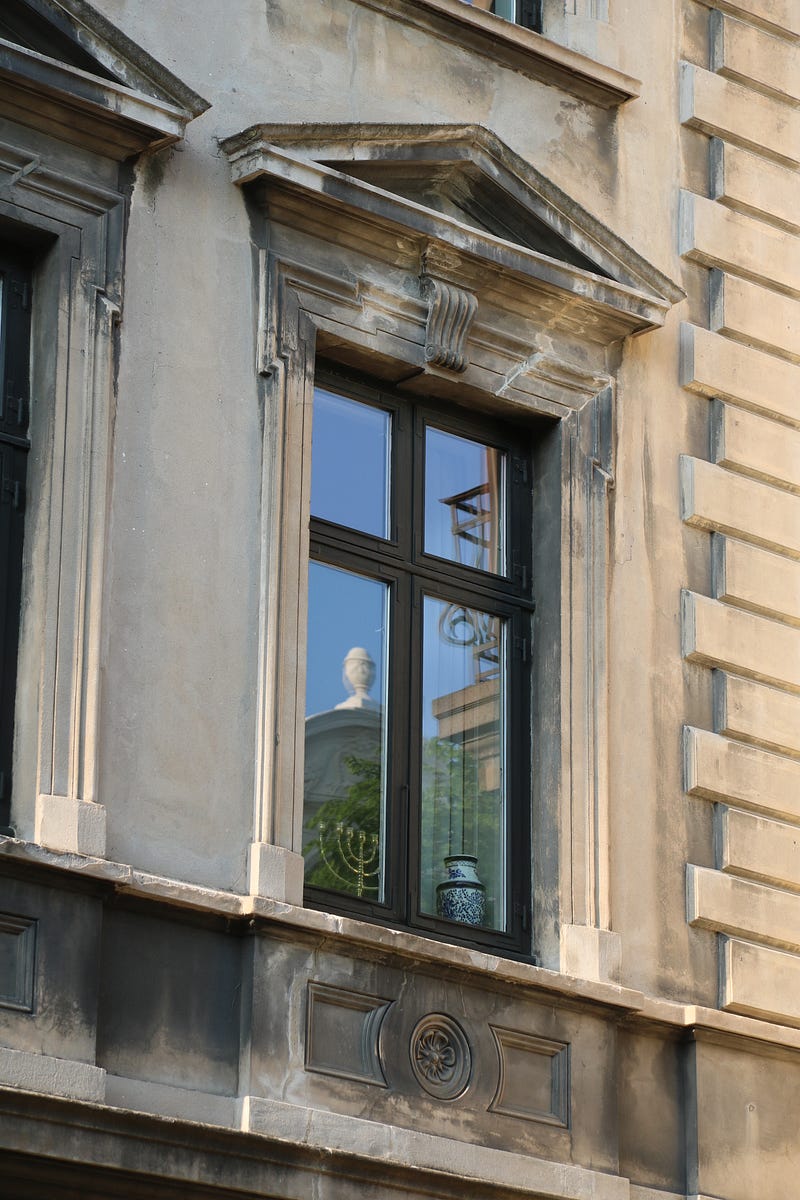
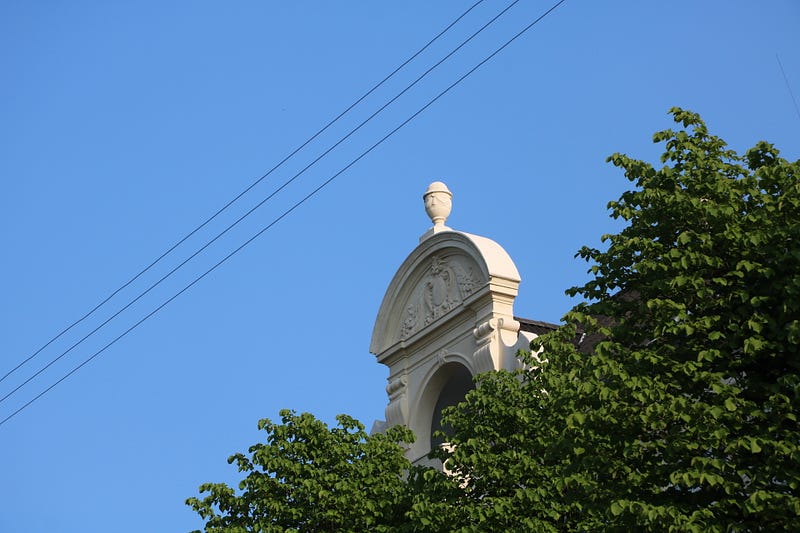
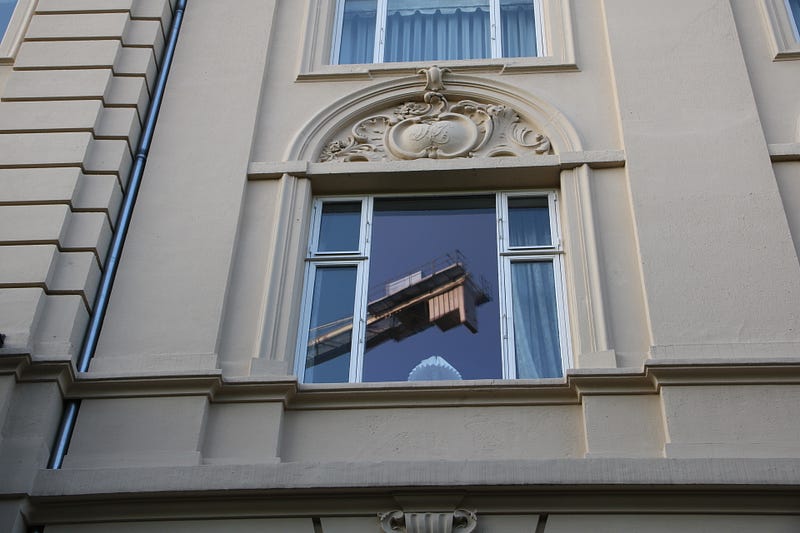
The fountain on St. Thomas Square has copper lions spewing water.Red-brick building with neo-corinthian-column facade on St. Thomas’ Square. Again the classic danish windows.You can rent a bicycle at uptown bikes. A great way to see the city. Note the symmetric art deco lamps on either side of the shop.Balustrade underneath the window, classic squared columns flank the classic Dannebrog window which are in turn flanked by ridged columns. Floral pastoral embellishment motif including two symmetrical fleur-de-lis decorates the recessed area between the window and the archThe flourish at the centre top of the window unifies the window style even though it is significantly less ornate than the previous window. This one has a recessed singular bloom underneath the window framed by concentric circles. The candelabra on the window sill echoes the candelabra pruning of the beautiful lime trees that line the street. The turquoise vase is in the classic Danish style. See below for a photo of the reflected building.
Many older people live in the large apartments on Frederiksberg Alle. Well-to-do, well-connected danes.
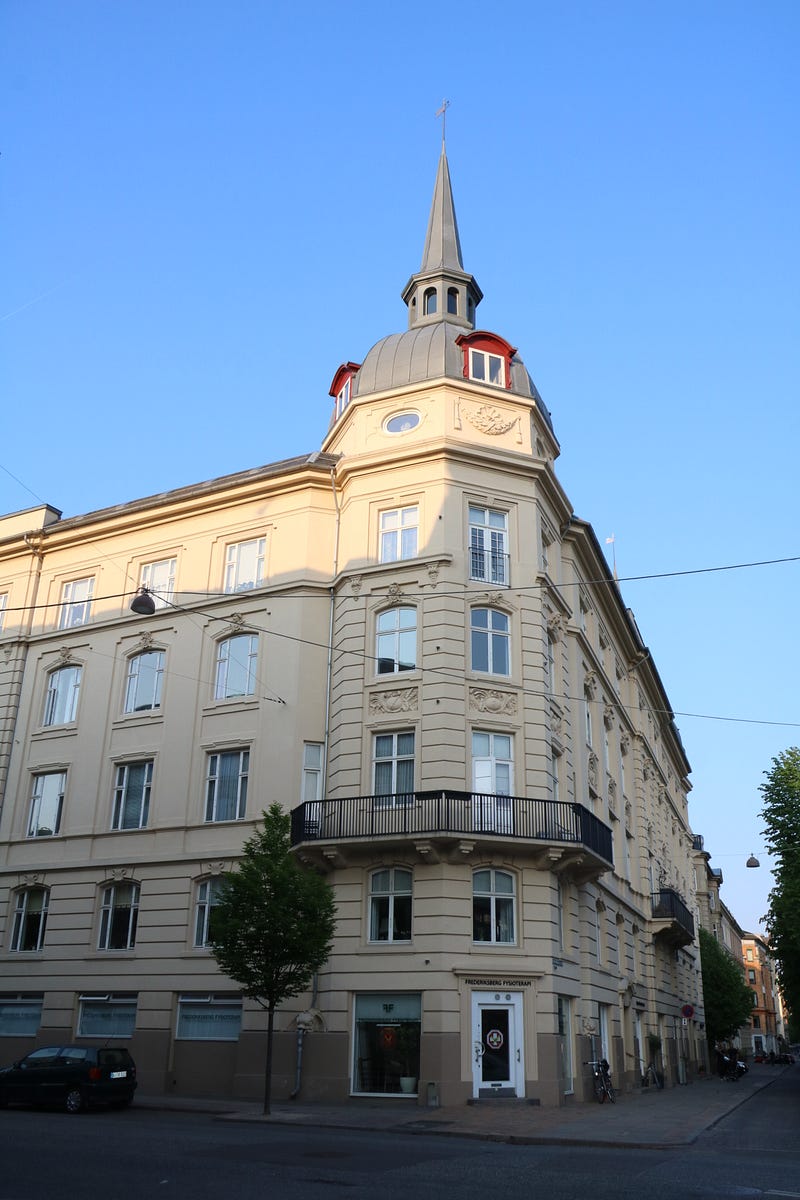
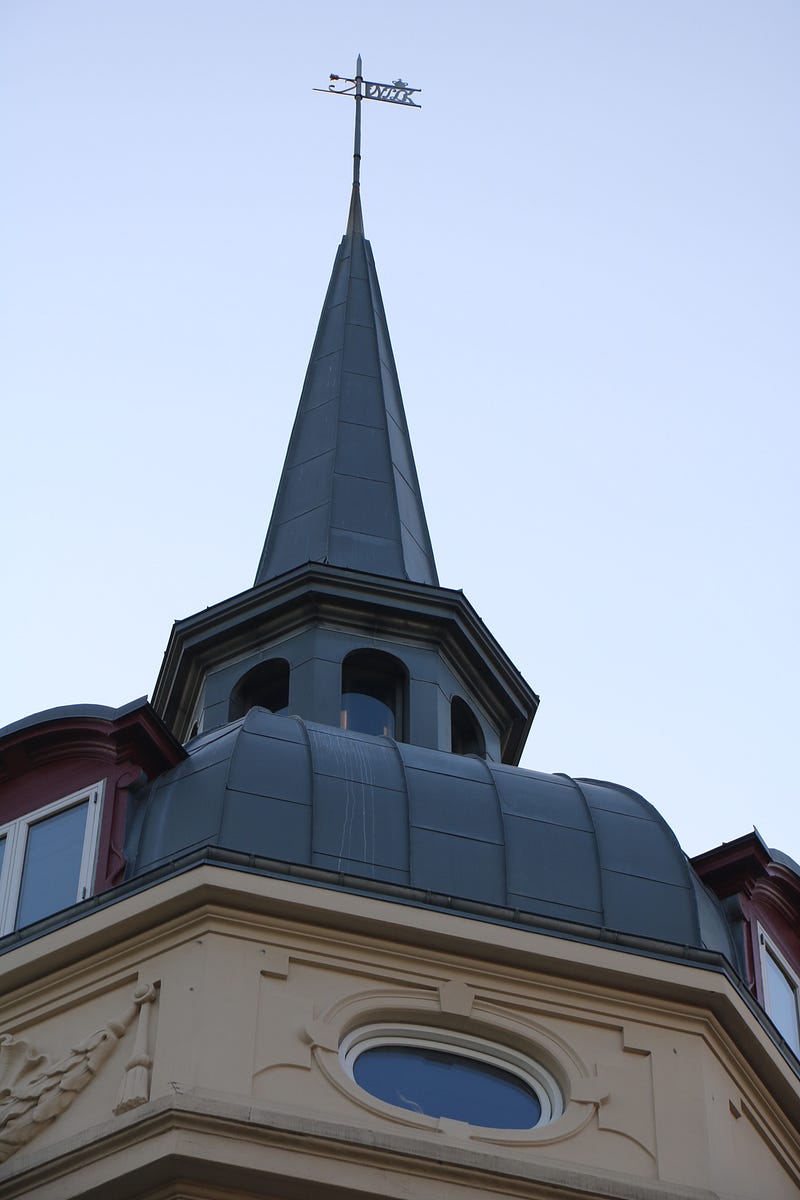
A glorious spring day in the city.Three columns of windows in this copper-roofed tower.Magnificent renaissance style.
Most of the buildings comprise housing and were built as apartments, many of them from about 150 years ago. The flooring used at that time was timber from the Black Forest and still exists today all over Copenhagen. In my junior school, they had the same flooring.
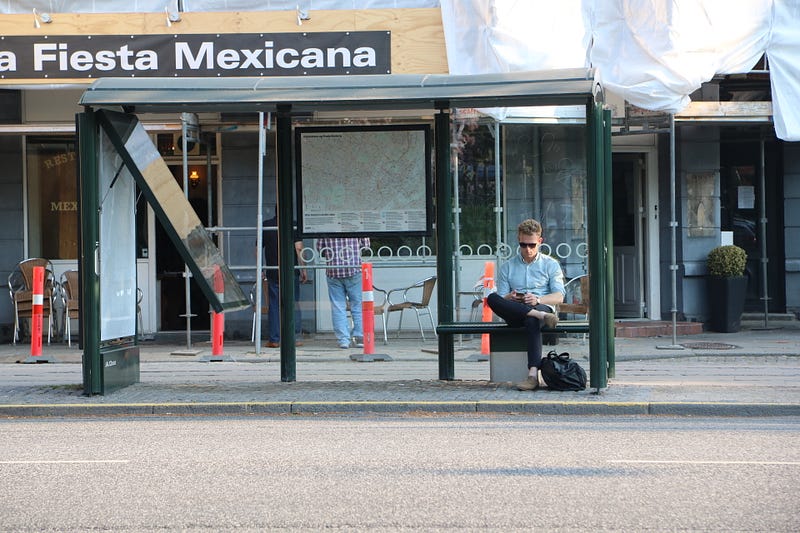
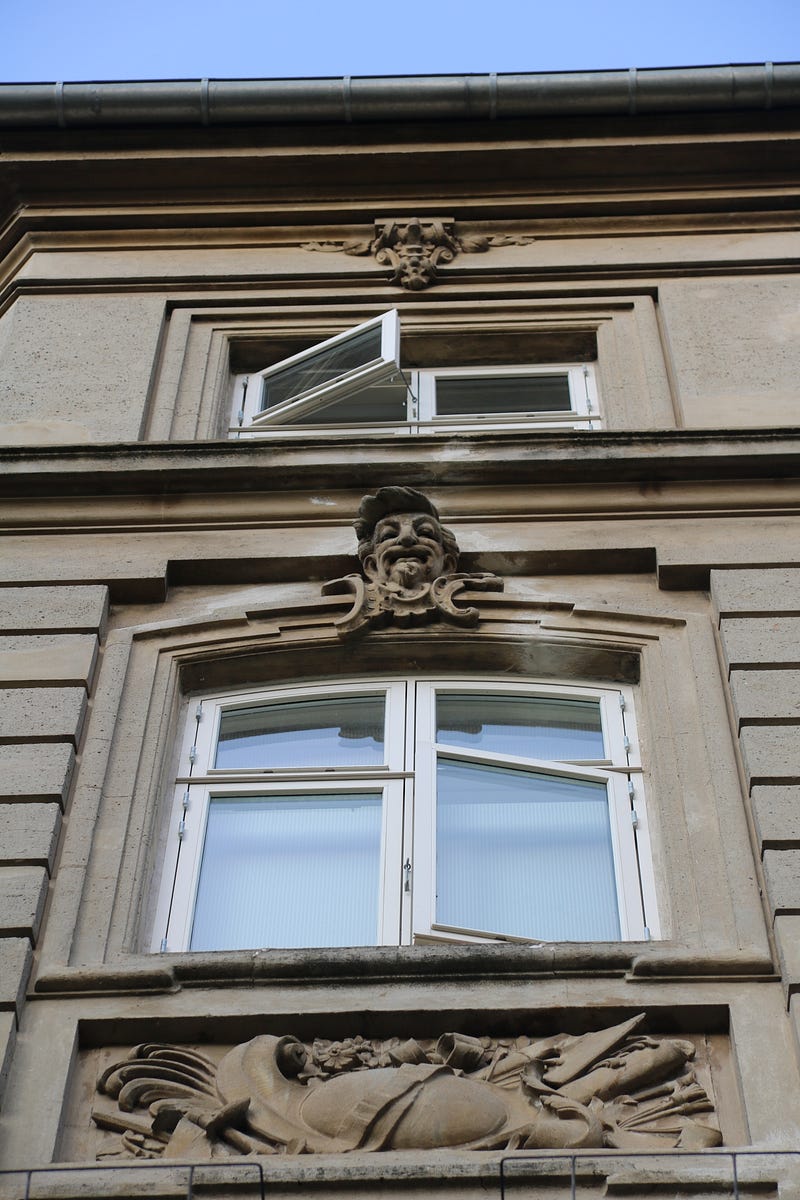
A young man waits at a bus stop. The mexican restaurant, Fiesta Mexicana is okay. Three out of five hats. A real Mexican place, Hija de Sanchez has recently opened down by Nørreport station in an up-market food emporium called Torvehallerne. They serve AUTHENTIC corn tortillas to die for.This is Little Rosenborg, built in the same style as Rosenborg castle in the centre of town, which houses the crown jewels. Just being on this street and photographing these buildings has become a real delight. Note the haphazard appearance of the grey brickwork: it gives a sense of lightness and childlike gaiety à la Gaudi. Notice also the heads of the noblemen. This is also repeated on the other buildings on Frederiksberg Alle.Even here, twenty minutes walk from the main town hall square in Copenhagen the foliage and wooden fence create a rural atmosphere.The lion and foliage attest to the art nouveau undercurrents.
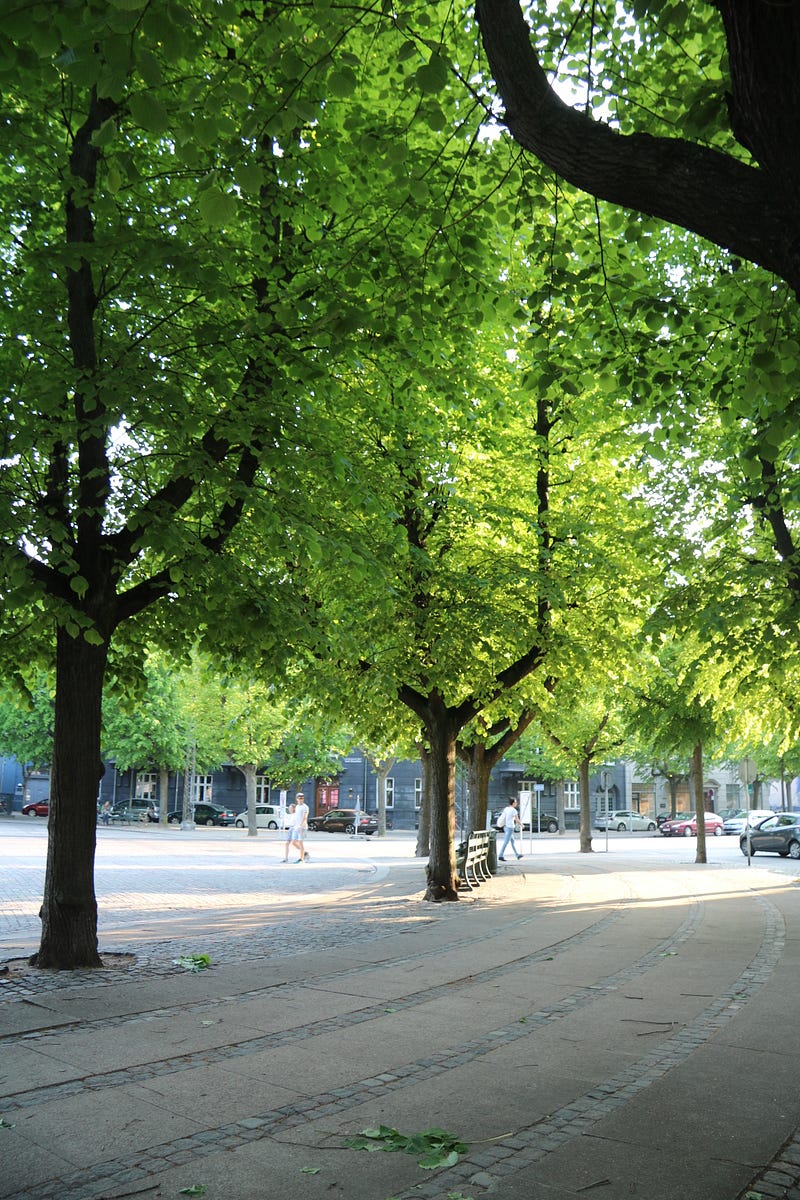
The leafy St. Thomas Square has eight amazing green benches with falcon embellishments, four on each side of the street.
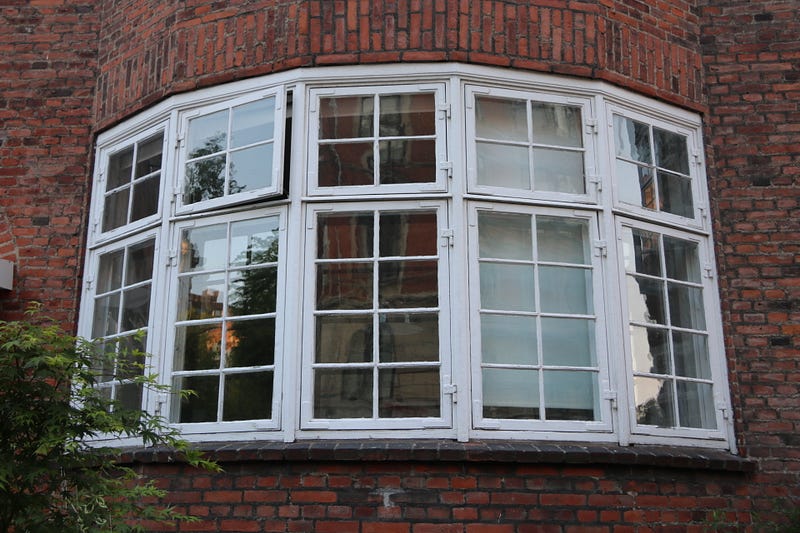
Falcon close-up. This symbol is all over Frederiksberg, especially along Falkoner Alle but only here in St Thomas Square are there benches like this.Bay multi-paned window on the left. Arched windows centre and right. Notice the reflected crane (right)
Here’s an english translation of the best HC Andersen folk tale of all time. I have seen it beautifully acted in Tivoli gardens and its magic only increases every time I read it or see it. It contains a transcendental truth.
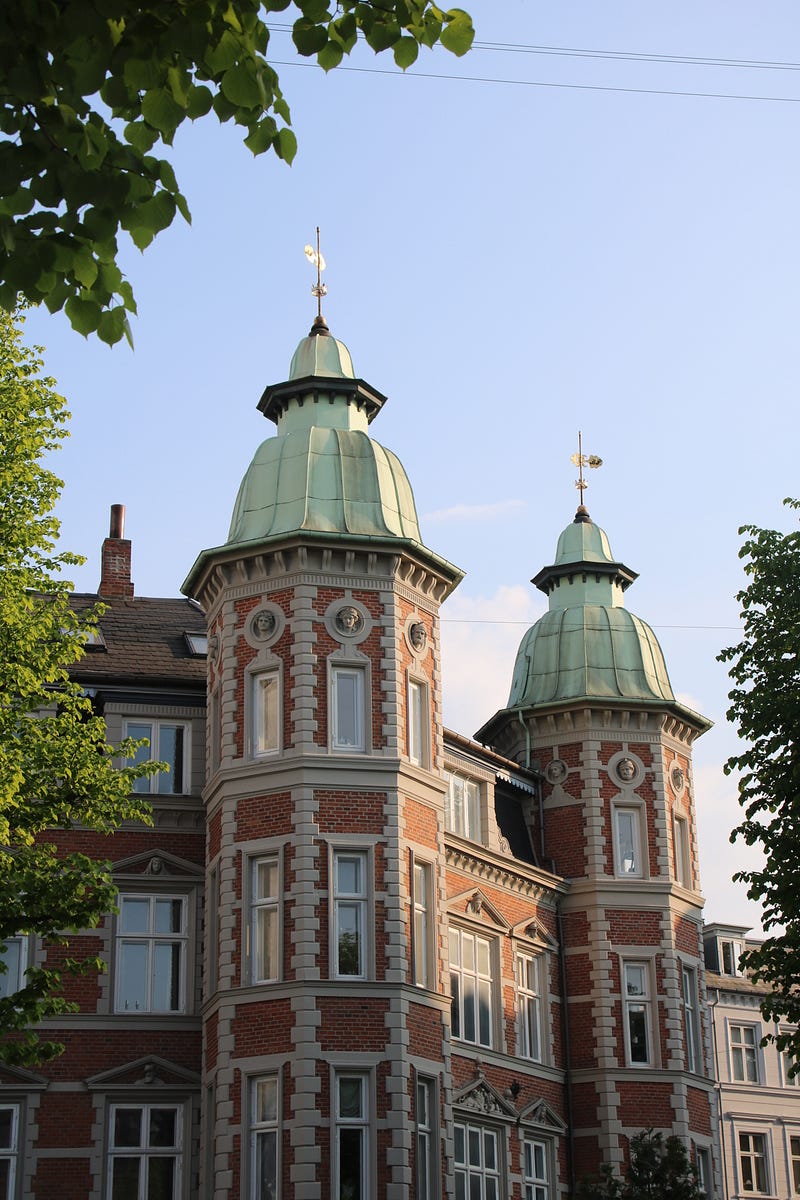
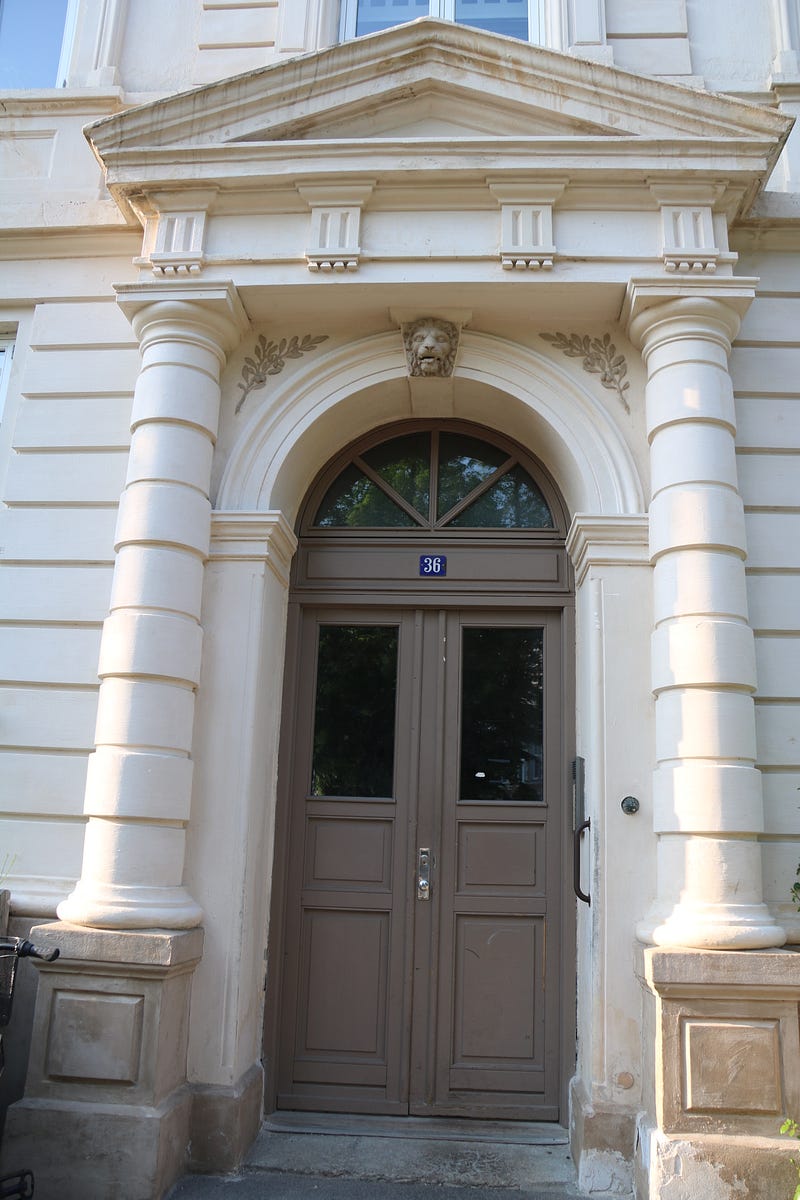
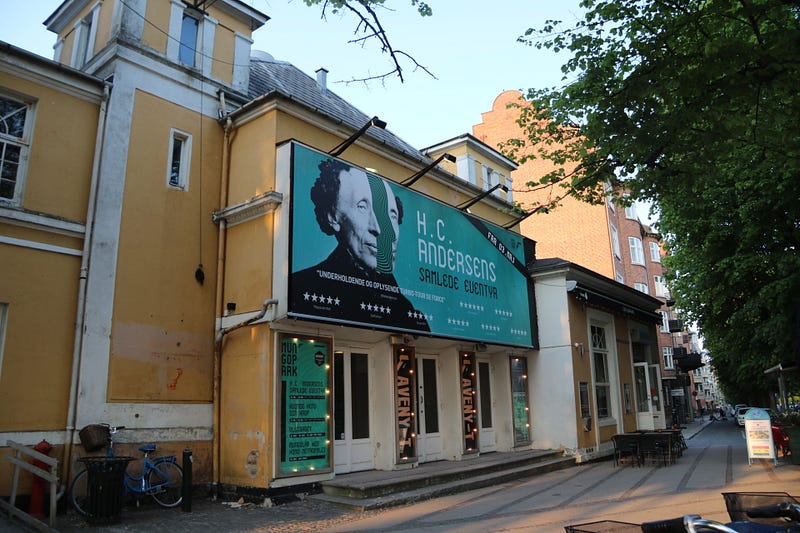
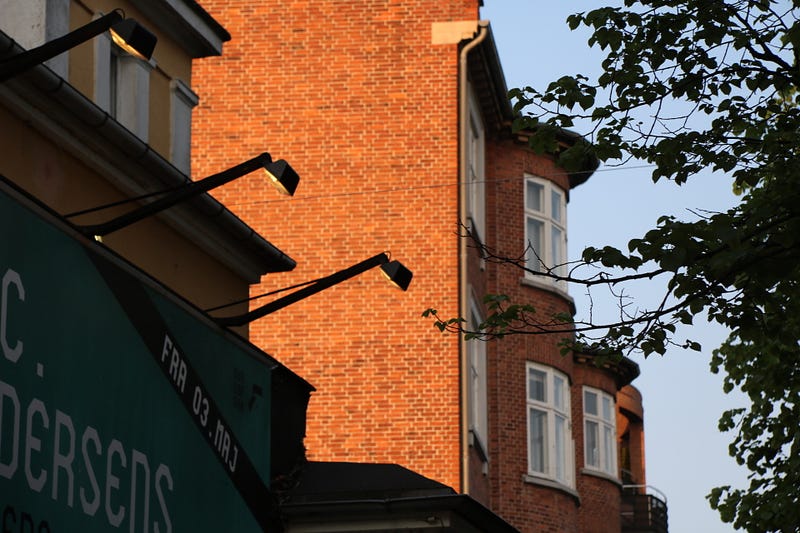
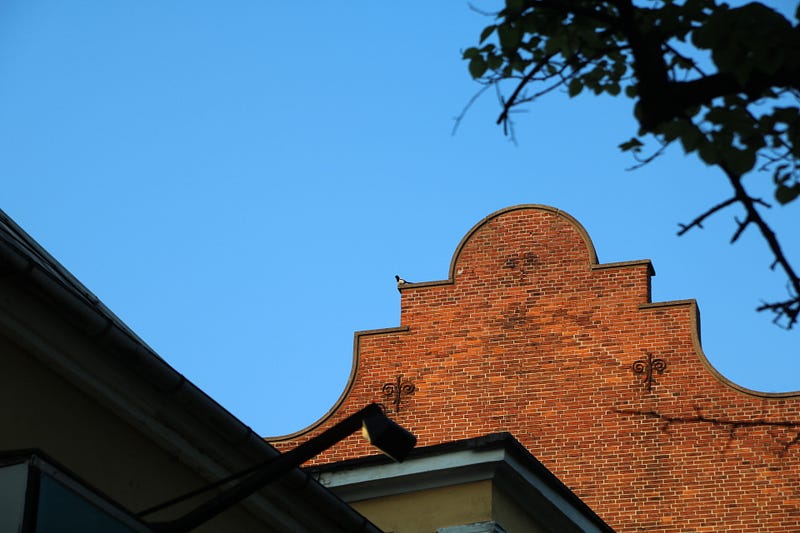
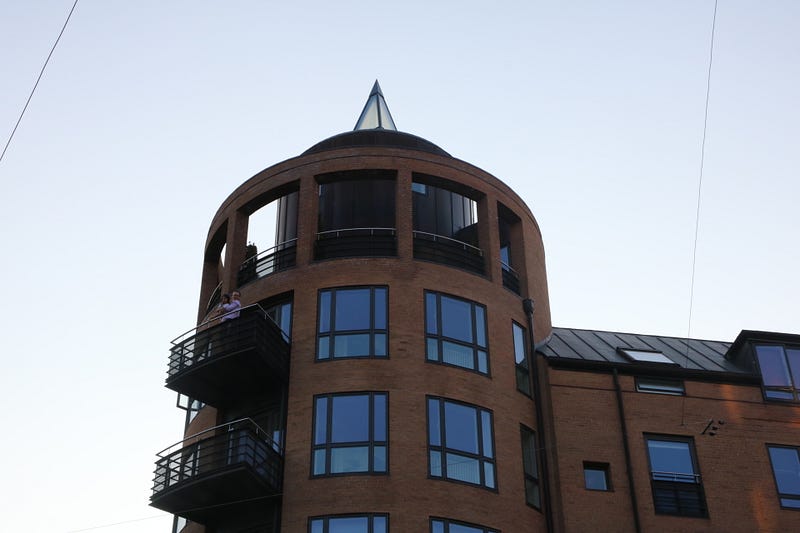
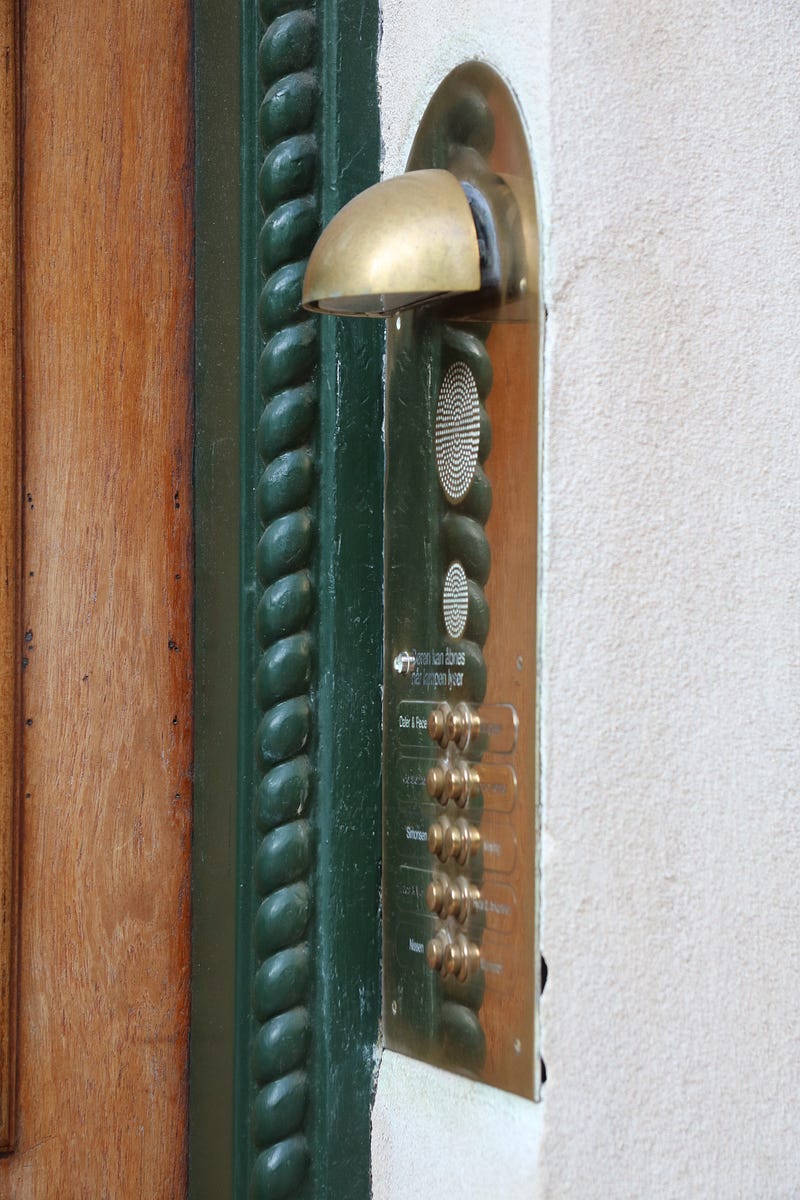
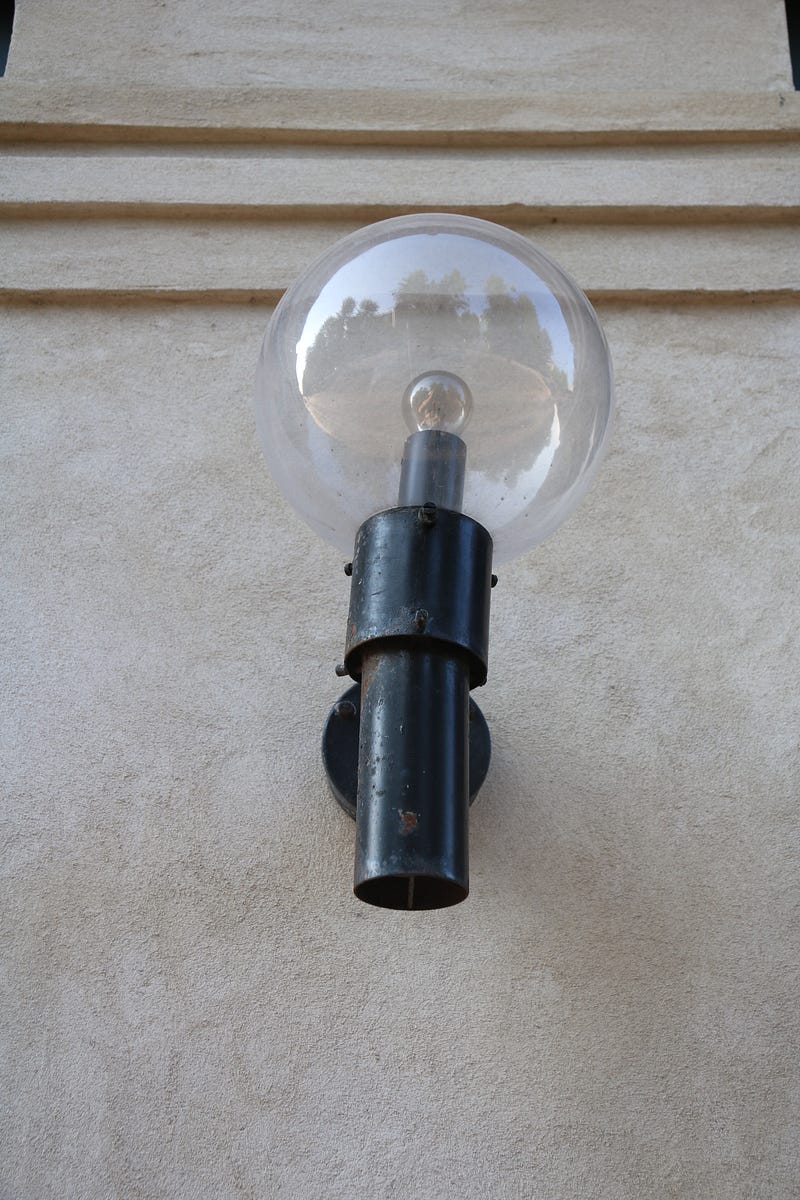
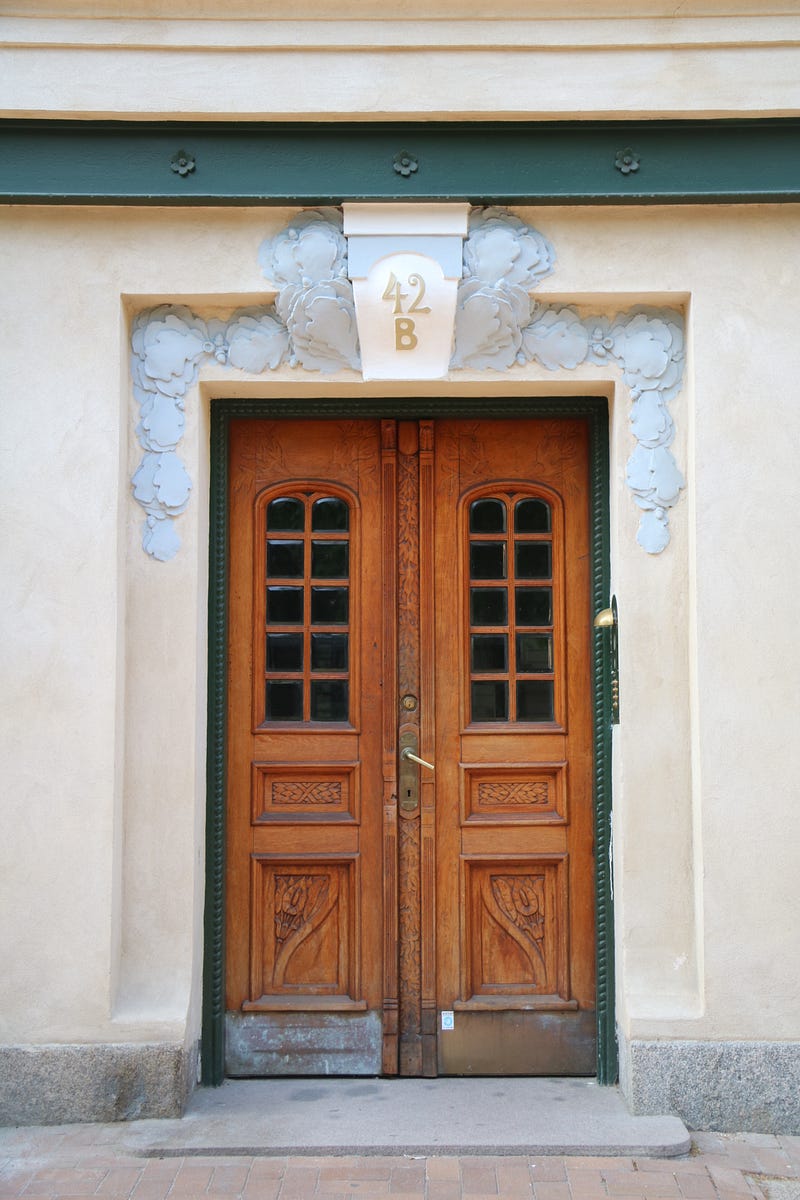
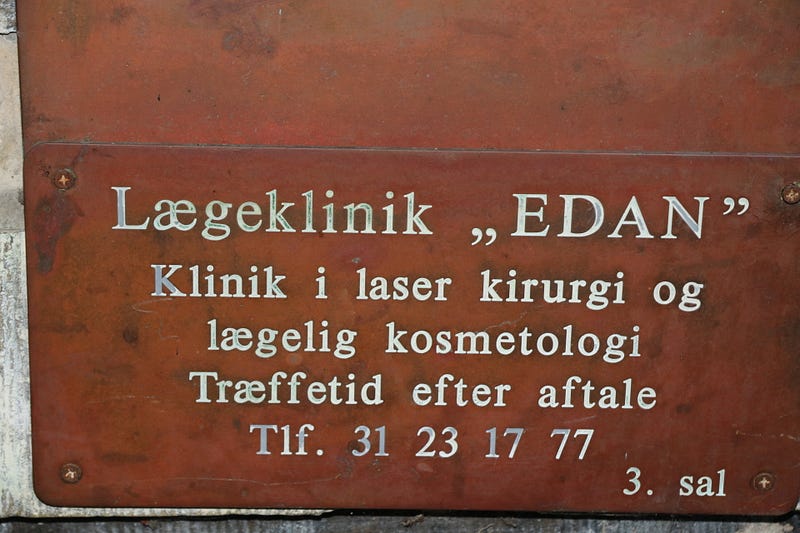
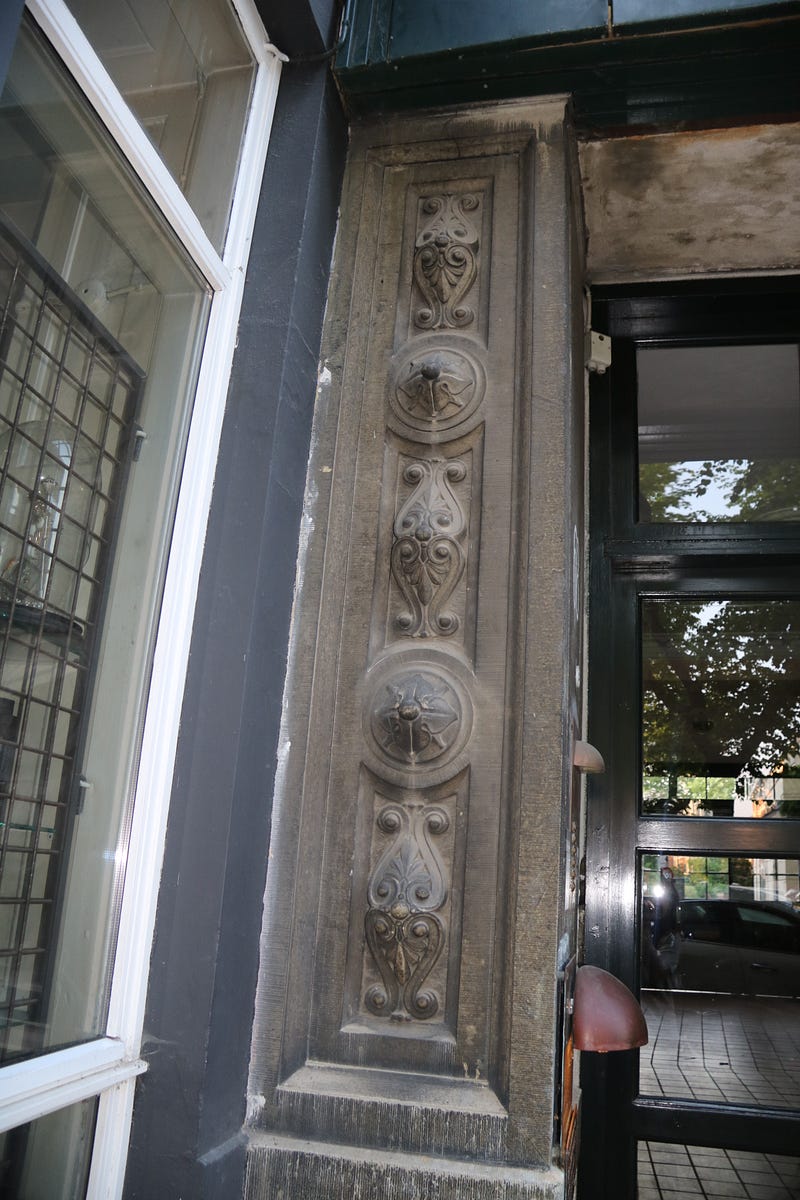
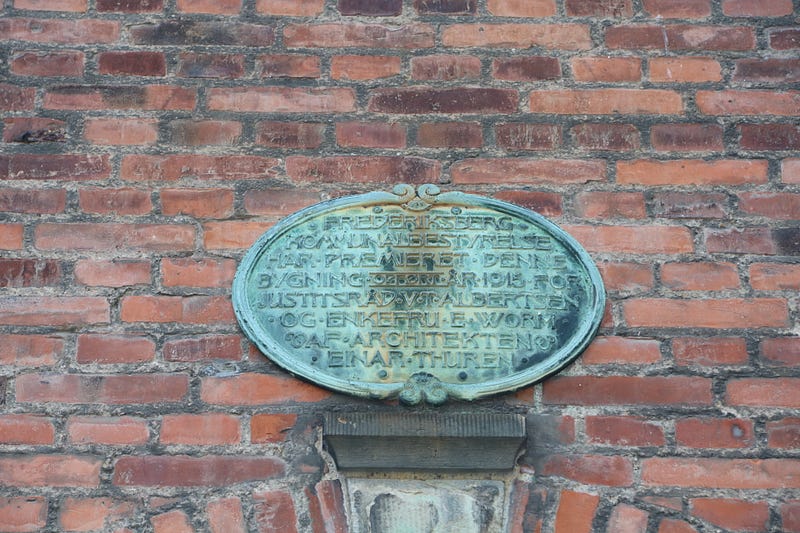
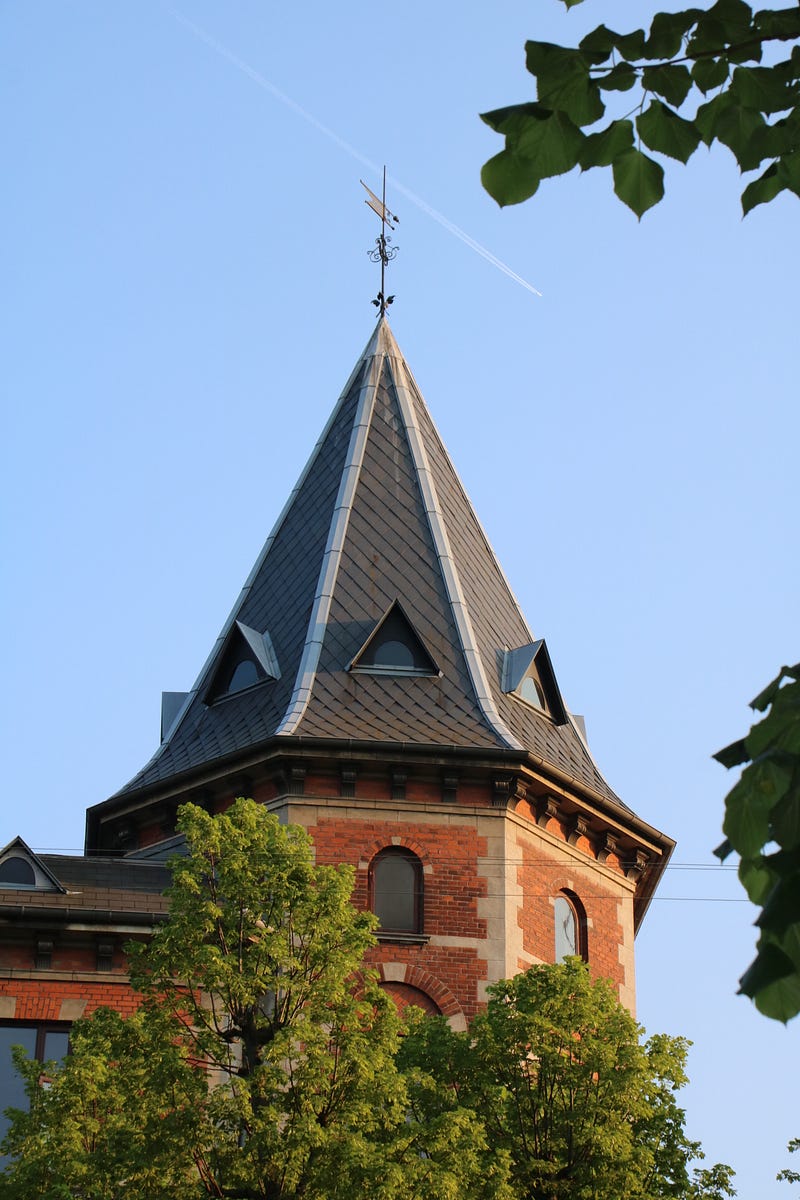
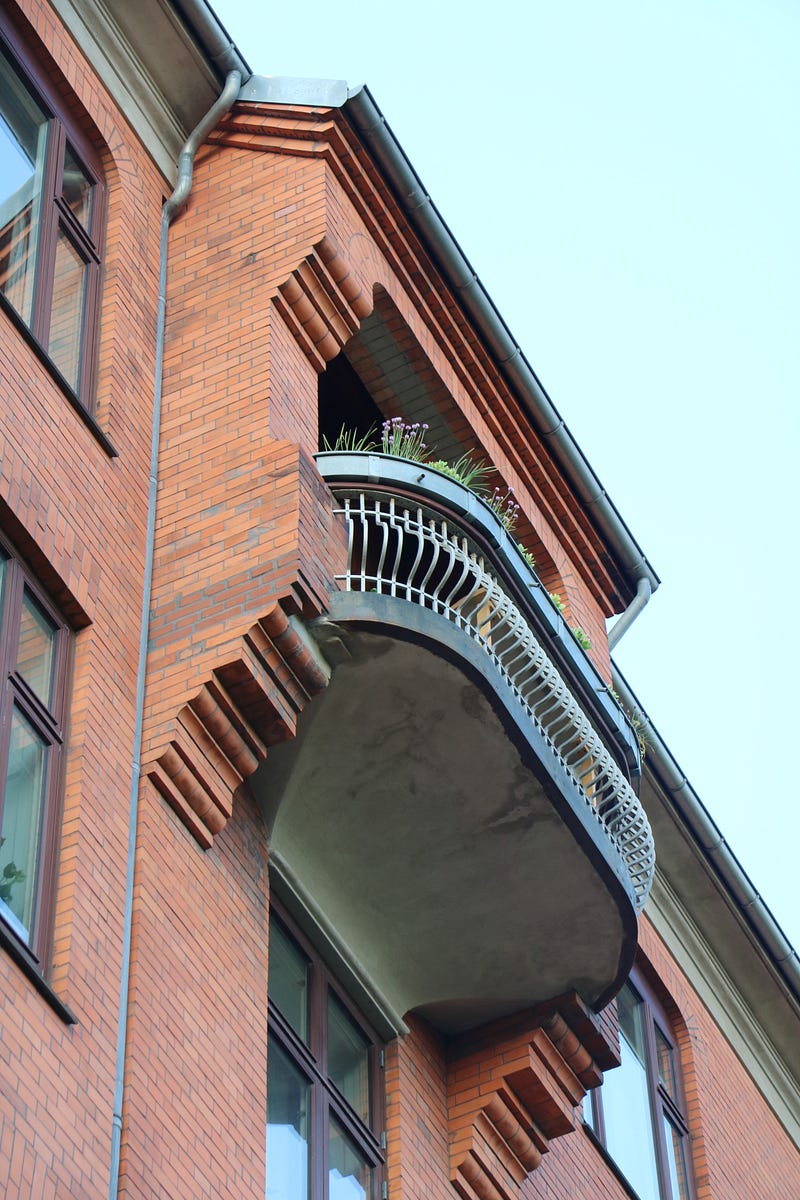
Theatre showing Hans Christian Andersen collected tales. My favourite is “What the old man does is always right”.When you look up there are all sorts of wonders to behold: a stepped gable (centre) and a more modern red-brick building, right, with a glass steeple.Architectural details abound, like the beautiful residents roster with brass lampshade and bell buttons as well as a green roped wooden detail.Modern lamp (left) and the doorway with embellished wood and flourishes of plasterwork (right).Hardwood sign (left), stepped panel embellishment (centre) and copper plaque (right)Lots of towers and steeples on this street, this one in red brick with a slate roof. The spring foliage sets off the red brick. The name of the feature underneath the balcony eludes me; it’s like an inverted flying butress.
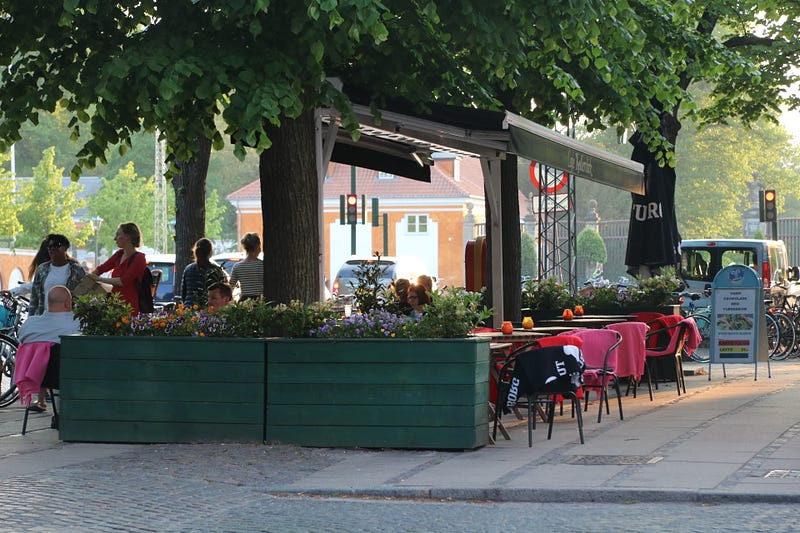
There are several places where you can get refreshments:
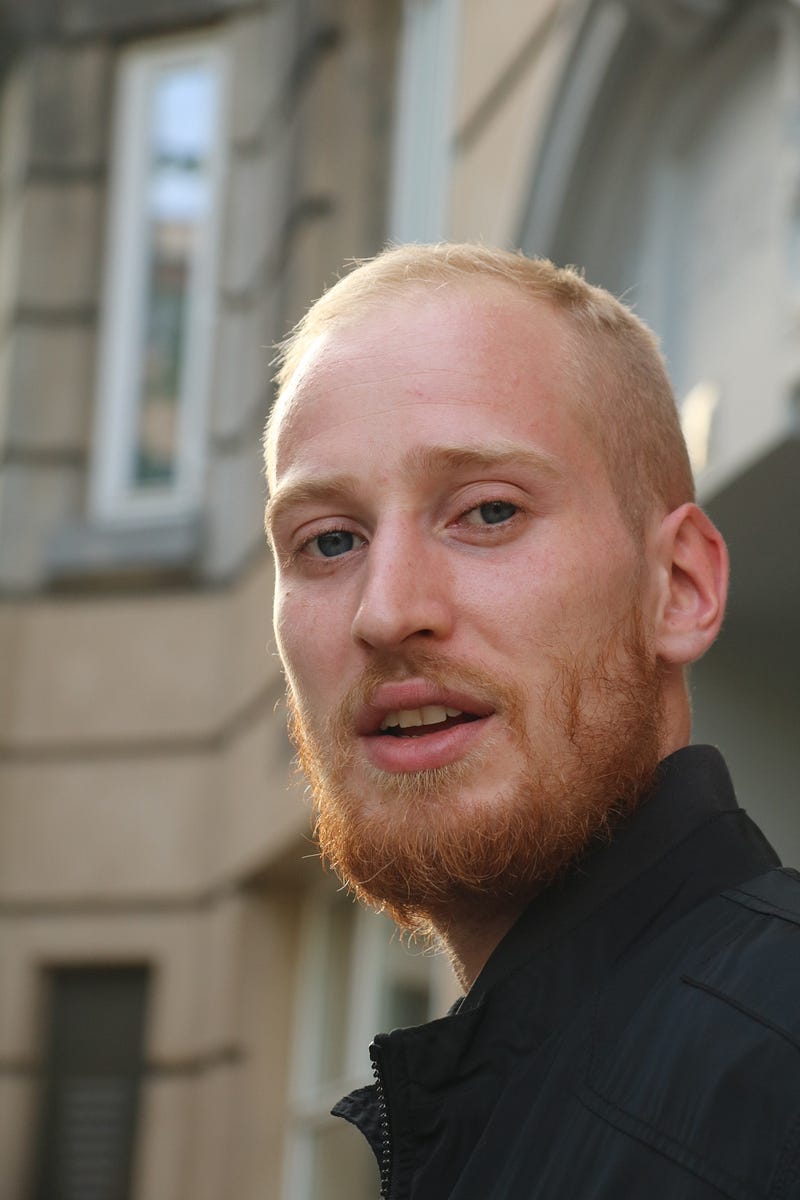
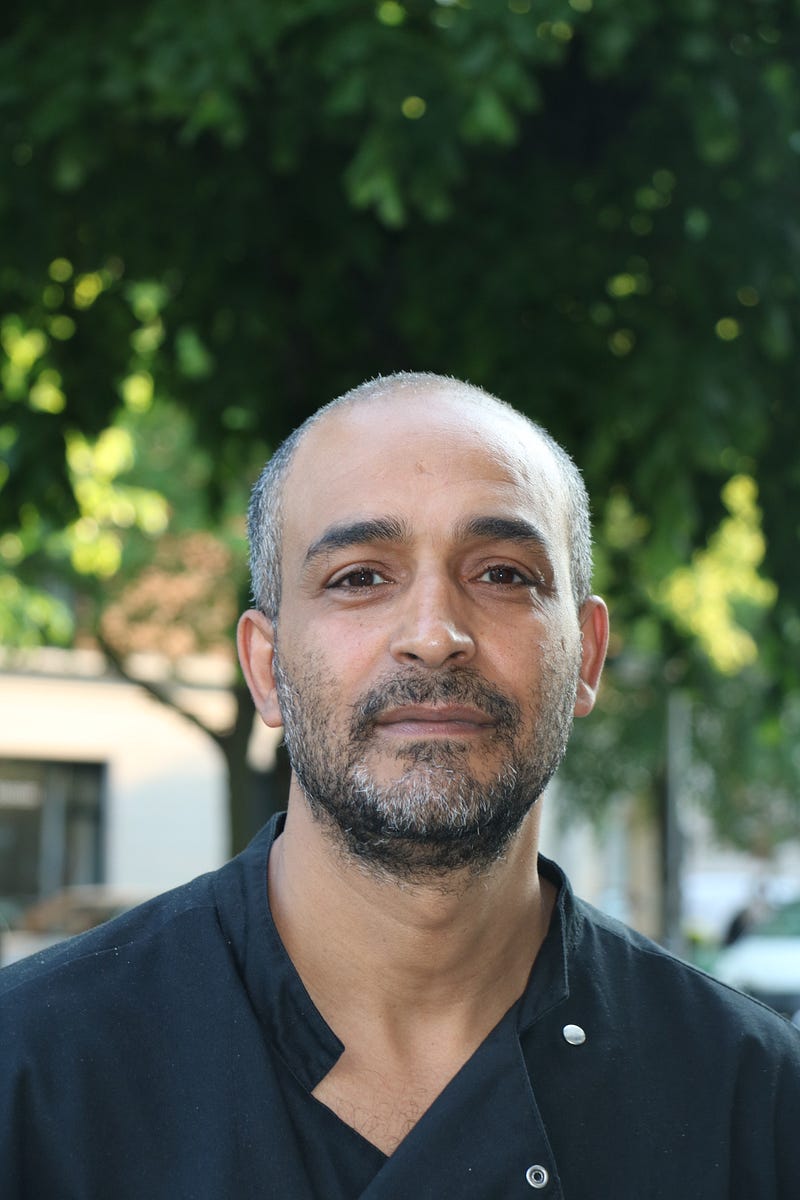
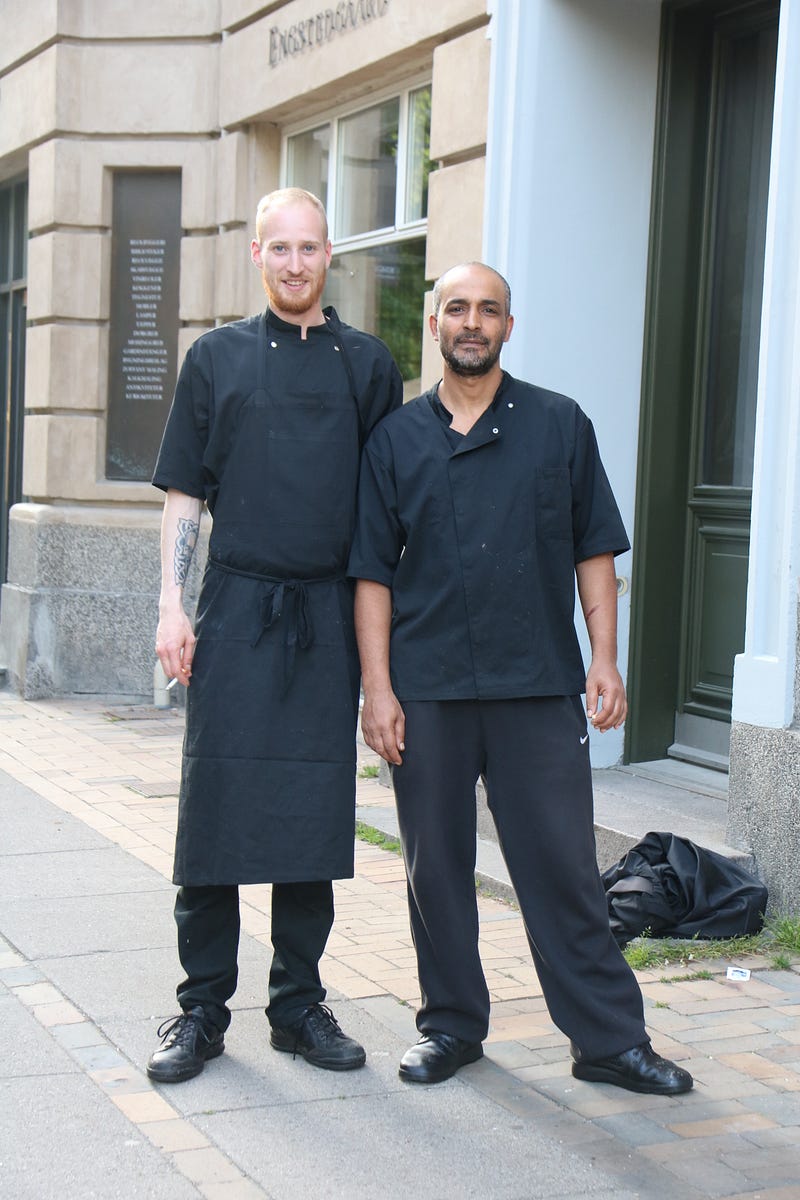
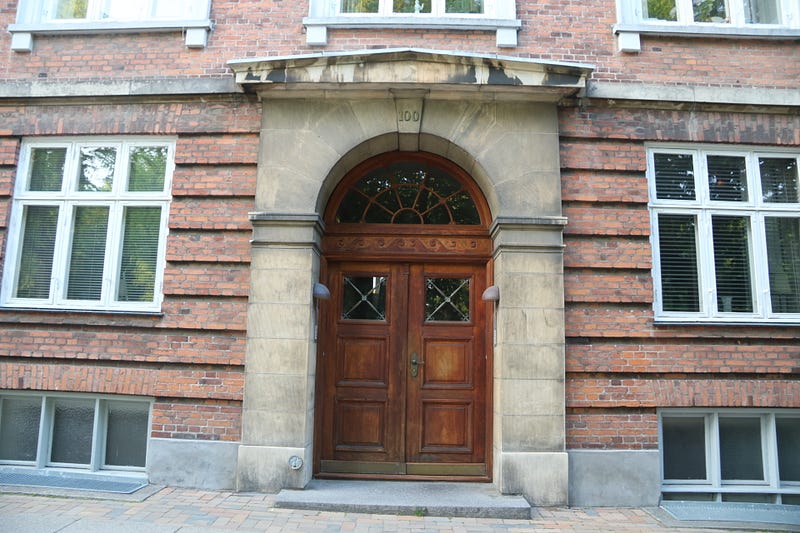
A cafe on Frederiksberg Alle, and two charming gentlemen staffing an eaterie that I fell into conversation with while photographing.They saw my camera and invited me to photograph them. I obliged, naturally.Left: Framed in an archway, this ornate wooden double door with latticed glass panes adds style to this otherwise relatively plain red-brick edifice. Centre: Lime trees line the pavements and right, St Bernadotte school, bombed during the war with significant loss of life.
Thank you for taking the time to read my photo essay. Click the heart below if you liked it and if you’d like to help others find it.
I would be catapulted into a seventh heaven of ecstacy if you were to recommend this article on Facebook, Twitter or both.
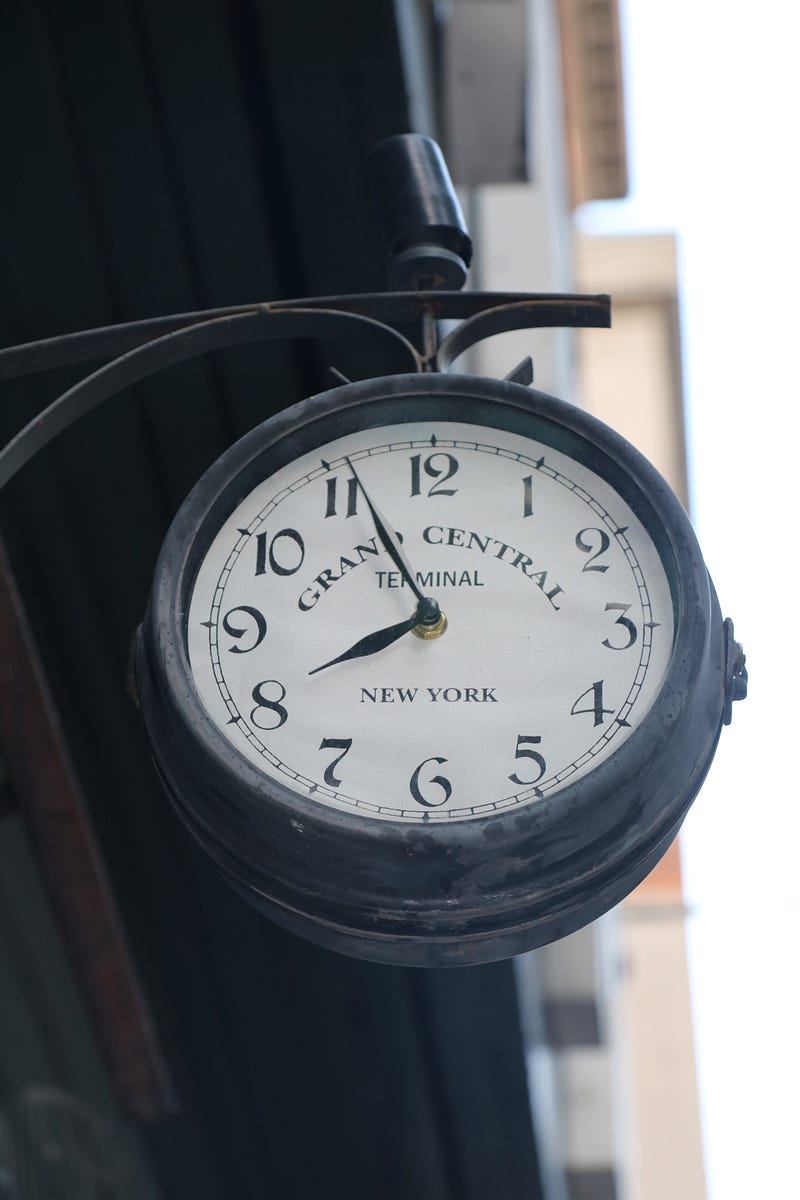
I was astonished to see this clock, all the way from Grand Central Station. At least, that’s what it says. There must be a story there.
I accidentally published this story before writing much at all about Sans Souci, a gorgeous art nouveau building on Frederiksberg Alle 52.
An artist has his studio in this tower of Sans Souci on the corner of Madvigs Allé.
Maybe later, along with another planned essay on “Steeples and Towers of Copenhagen”.