avatarAdelia Ritchie, PhD

Free AI web copilot to create summaries, insights and extended knowledge, download it at here

2860

Abstract

ources — wind, solar, and hydropower.</p><h2 id="130d">What I didn’t see</h2><figure id="e26d"><img src="https://cdn-images-1.readmedium.com/v2/resize:fit:800/1*VxJZpAL1BFHthAk7hw-mKA.jpeg"><figcaption>“Before” — <i>Invernadero (greenhouse), photo by Author</i></figcaption></figure><p id="bbfc">The couple who lived here before were avid gardeners. Cucumbers, squash, tomatoes, several kinds of peppers, herbs, and more. I was thrilled to believe I’d be able to get my beans going right away.</p><p id="5424">However, after they moved out, not only was the greenhouse (<i>invernadero</i>) barely recognizable as such, the deepest, darkest terror began to creep up my spine as it dawned on me that the soil here was utterly lifeless.</p><p id="3520">Dead. Dry. Cracked. Like crumbling concrete, only uglier.</p><p id="fadb">Nary a worm, a bacterium, a fungus, a bug of any kind… except ants. Always bleeping ants, the tiny black ones that bite your toes and make them itch all night long.</p><p id="0959">The previous owners had been sucked into the Monsanto hype of “<i>No mowing! Easy weed control! Here, just spray this deadly poison everywhere!”</i></p><h2 id="30ff">Chito to the rescue!</h2><p id="b88a">In order to grow any living thing in my <i>invernadero,</i> it was necessary to build raised beds, and fill them with soil deep enough not to be contaminated by what lies beneath.</p><p id="c24b">I laid out the design for the new planting beds, and Chito figured out how to build them using inexpensive, but long-lasting, termite-proof corrugated tin. Forty 40-kg sacks of organic soil and compost later, <i>voilá!</i></p><figure id="0793"><img src="https://cdn-images-1.readmedium.com/v2/resize:fit:800/1*_3eJPsTAizTfVjLdfAzg1A.jpeg"><figcaption>“After” — ready for planting! Photo by author</figcaption></figure><p id="4a1b">Soon, armed with a flame thrower, I will dare to approach to bring water and compost. Meanwhile, I harvested my first test crop of beautiful beans, and have planted leeks, pumpkins, tomatoes, tomatillos, and herbs in anticipation of some delicious meals over the next weeks and months.</p><figure id="ed0d"><img src="https://cdn-images-1.readmedium.com/v2/resize:fit:800/1*TuxCXkXN50KbC1naEifrqQ.jpeg"><figcaption>THIS is the true beaning of life. Photo by author.</figcaption></figure><h2 id="03e8">What’s Next?</h2><p id="f4fd">This year I will be focused on restoring life and health to the native soil in my yard. I’ll be experimenting with flowers, fruit trees, pepper plants, and whatever growing thing that can withstand the heavy downpours of the rainy season.</p><p id="9e6f">I have much to learn. The bugs are different, the animals are different, even the powdery mildew that attacks squash plants is different. But that’s part of the adventure.</p><figure id="4fde"><img src="https://cdn-images-1.readmedium.com/v

Options

2/resize:fit:800/1*fKDRDsjge25r51c7SjK4fA.jpeg"><figcaption>My back yard Agouti pal, Image by <a href="https://pixabay.com/users/anncapictures-1564471/?utm_source=link-attribution&amp;utm_medium=referral&amp;utm_campaign=image&amp;utm_content=2299623">annca</a> from <a href="https://pixabay.com//?utm_source=link-attribution&amp;utm_medium=referral&amp;utm_campaign=image&amp;utm_content=2299623">Pixabay</a></figcaption></figure><p id="34d8">There’s one new thing, probably a threat to my bean crop. It’s an agouti I spotted wandering across the back yard the other day, down by the river. I hear they’re easy to tame, and I’ll probably have to feed this big fella to keep him away from my vegetables. First, iguanas, and now <i>this</i> 25-lb mouth to feed.</p><p id="537b">When I used to work my dad’s garden in central France, whenever the robber rats and rabbits would attack the crops, we’d give a Gallic shrug and mutter, <i>C’est la vie.</i></p><p id="1007">Now, here in the Southern Zone of Costa Rica, we simply say, <i>Pura Vida.</i></p><div id="cdff" class="link-block"> <a href="https://readmedium.com/an-iguana-ate-my-blackberries-84f99578947f"> <div> <div> <h2>An Iguana Ate My Blackberries</h2> <div><h3>I’m in Costa Rica now!</h3></div> <div><p>medium.com</p></div> </div> <div> <div style="background-image: url(https://miro.readmedium.com/v2/resize:fit:320/1*I_xMa9VTUdHqqM6b-cOVrw.jpeg)"></div> </div> </div> </a> </div><div id="cdca" class="link-block"> <a href="https://readmedium.com/the-ants-go-marching-one-by-one-df17ebbbc890"> <div> <div> <h2>The Ants Go Marching One by One</h2> <div><h3>Hurrah, hurrah!</h3></div> <div><p>medium.com</p></div> </div> <div> <div style="background-image: url(https://miro.readmedium.com/v2/resize:fit:320/1*5a8-GrD4JJUIl4TC4rpmKQ.jpeg)"></div> </div> </div> </a> </div><div id="2aa3" class="link-block"> <a href="https://readmedium.com/a-new-language-a-new-life-1ec7cb3e33d4"> <div> <div> <h2>A New Language, a New Life</h2> <div><h3>The Gateway to La Pura Vida</h3></div> <div><p>medium.com</p></div> </div> <div> <div style="background-image: url(https://miro.readmedium.com/v2/resize:fit:320/1*fvyLhaIw3vN5YsW45LGS8g.jpeg)"></div> </div> </div> </a> </div><p id="8a10"><a href="undefined">Adelia Ritchie</a></p><p id="c36b"><a href="undefined">Shadowgnosis</a></p></article></body>

The Beaning of Life

Adventures in Costa Rica gardening
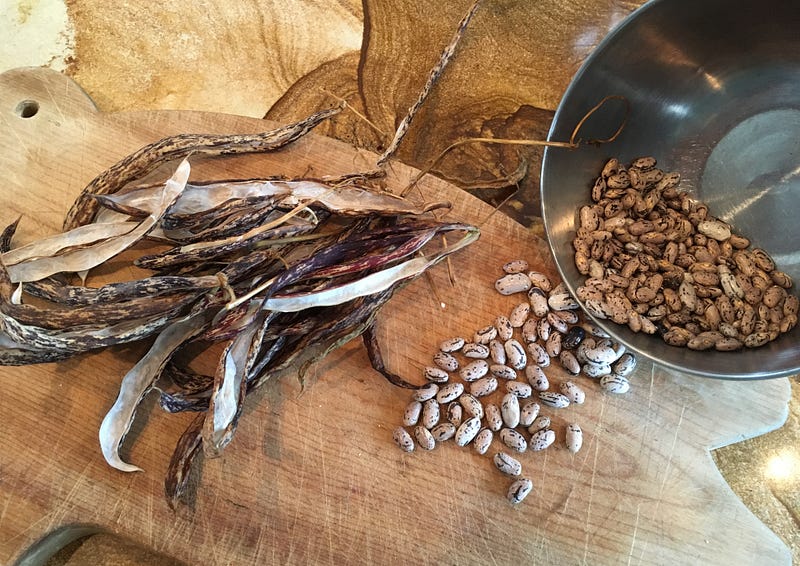
Cranberry beans — the best shelling bean in the known universe. Photo by author

Living in Costa Rica is not the same as living anywhere else in the world, and is wildly different from the Pacific Northwest, from whence I came.

In western Washington, particularly on the Olympic Peninsula, once the ground warms up after winter winds subside, a seed pressed into moist soil leaps from the earth threatening to go forth, multiply, and cover the earth.

But here in the valley surrounding San Isidro de El General, the only thing about my garden that’s similar to back in the States is my precious home-grown seeds, which I brought into the country without asking permission. (Shhh! Don’t tell on me!)

The American dream is a crock. Stop wanting everything. Everyone should wear jeans and have three T-shirts, eat rice and beans. — Bill Hicks

Here, beans are impossible to avoid. But who wants to? My father, who grew his own beans on his farm in the Loire Valley in Central France, always insisted that everyone should eat a serving of beans every day. Full of protein, he’d say. Good for your heart!

A typical Tico consumes a lot of beans and white rice. My favorite breakfast here is Gallo Pinto — “painted rooster” — essentially, well-seasoned beans and rice often served alongside fried eggs and maybe a slice or two of fresh avocado. Delicioso!

It goes without saying (but I’m going to say it anyway), when enjoying a bean-rich diet, it’s good to live in a climate where the windows are always open.

My Sweet Tico Garden

Being a devoted vegetable gardener, I may have chosen my home hastily. The location is great, the house is solid, if not needing a bit of work, and it’s affordable for my tiny, non-existent budget. There are lots of fruit trees, pepper plants, and other plantas tropicales that had my head spinning with delight. And even a chicken coop!

What could go wrong?

Costa Ricans are nature lovers, and there’s plenty here to love. They respect all living things, warning others, “If you kill something, you have to eat it.” Every Tico I’ve met grows something edible in their garden.

It’s the culture. A world leader in ecotourism, Costa Rica’s government is very active in protecting the environment and has initiated progressive policies on sustainable ecotourism. Costa Rica leads the world in producing 98% of its energy from sustainable sources — wind, solar, and hydropower.

What I didn’t see
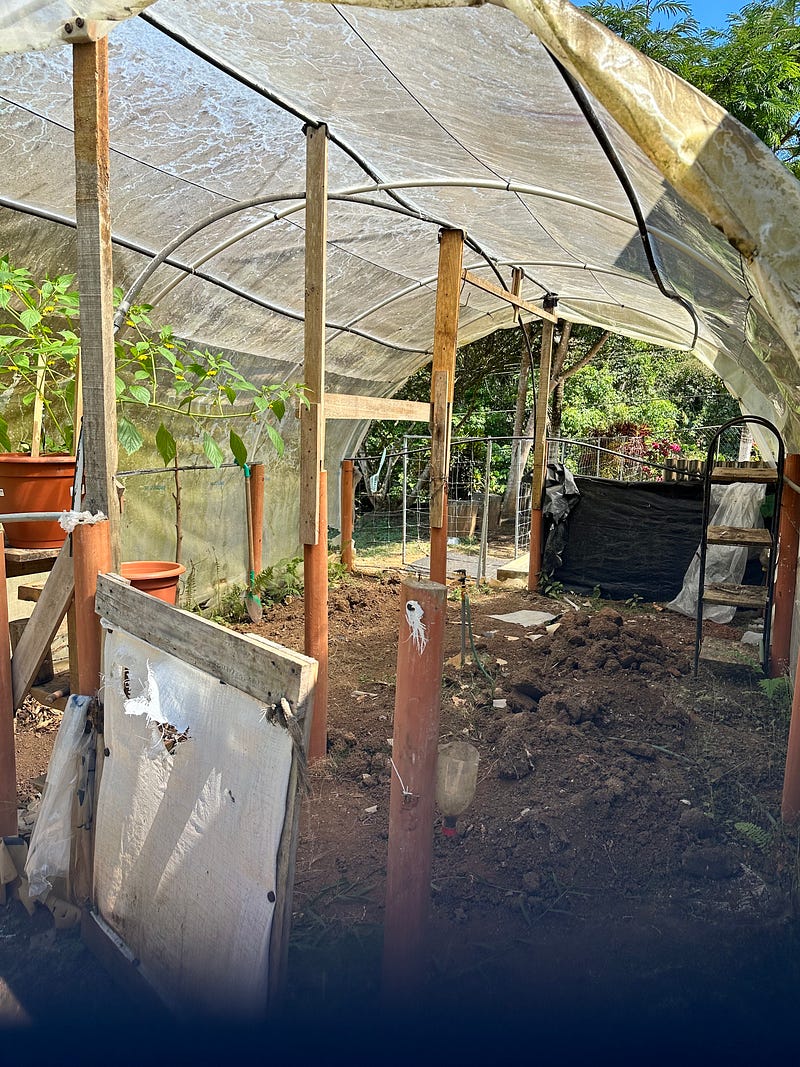
“Before” — Invernadero (greenhouse), photo by Author

The couple who lived here before were avid gardeners. Cucumbers, squash, tomatoes, several kinds of peppers, herbs, and more. I was thrilled to believe I’d be able to get my beans going right away.

However, after they moved out, not only was the greenhouse (invernadero) barely recognizable as such, the deepest, darkest terror began to creep up my spine as it dawned on me that the soil here was utterly lifeless.

Dead. Dry. Cracked. Like crumbling concrete, only uglier.

Nary a worm, a bacterium, a fungus, a bug of any kind… except ants. Always bleeping ants, the tiny black ones that bite your toes and make them itch all night long.

The previous owners had been sucked into the Monsanto hype of “No mowing! Easy weed control! Here, just spray this deadly poison everywhere!”

Chito to the rescue!

In order to grow any living thing in my invernadero, it was necessary to build raised beds, and fill them with soil deep enough not to be contaminated by what lies beneath.

I laid out the design for the new planting beds, and Chito figured out how to build them using inexpensive, but long-lasting, termite-proof corrugated tin. Forty 40-kg sacks of organic soil and compost later, voilá!
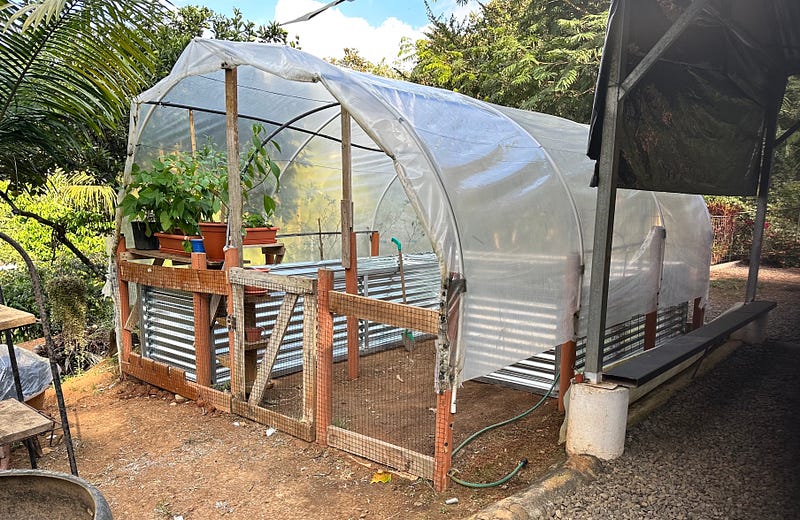
“After” — ready for planting! Photo by author

Soon, armed with a flame thrower, I will dare to approach to bring water and compost. Meanwhile, I harvested my first test crop of beautiful beans, and have planted leeks, pumpkins, tomatoes, tomatillos, and herbs in anticipation of some delicious meals over the next weeks and months.
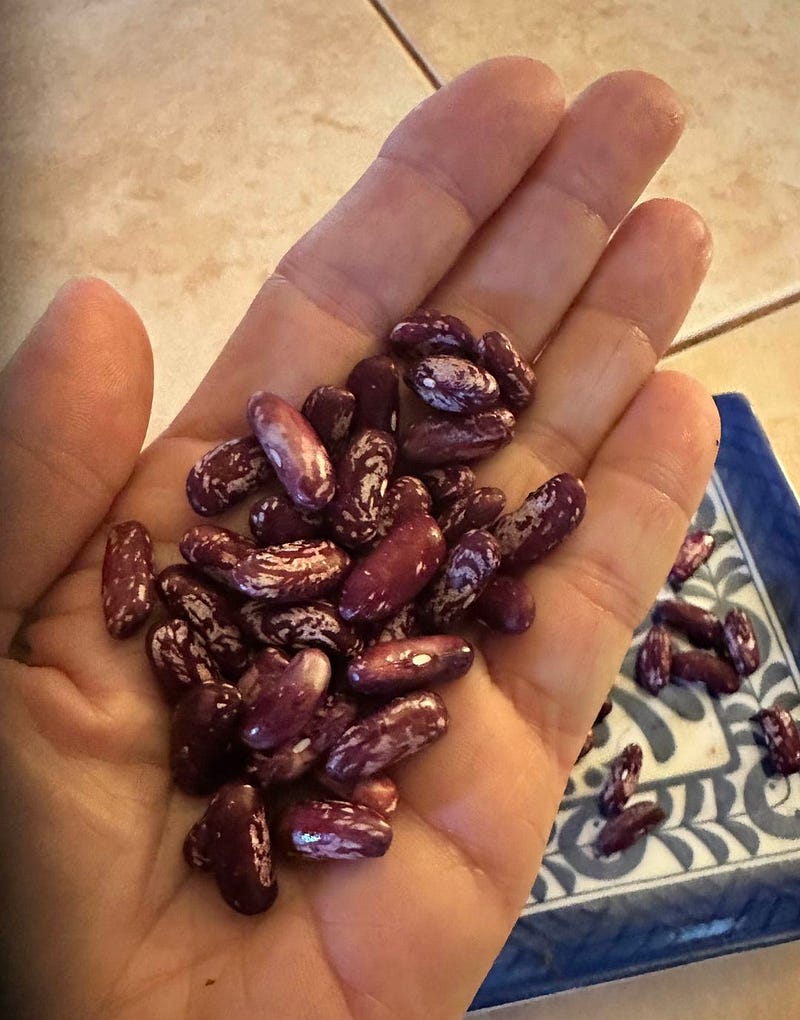
THIS is the true beaning of life. Photo by author.

What’s Next?

This year I will be focused on restoring life and health to the native soil in my yard. I’ll be experimenting with flowers, fruit trees, pepper plants, and whatever growing thing that can withstand the heavy downpours of the rainy season.

I have much to learn. The bugs are different, the animals are different, even the powdery mildew that attacks squash plants is different. But that’s part of the adventure.
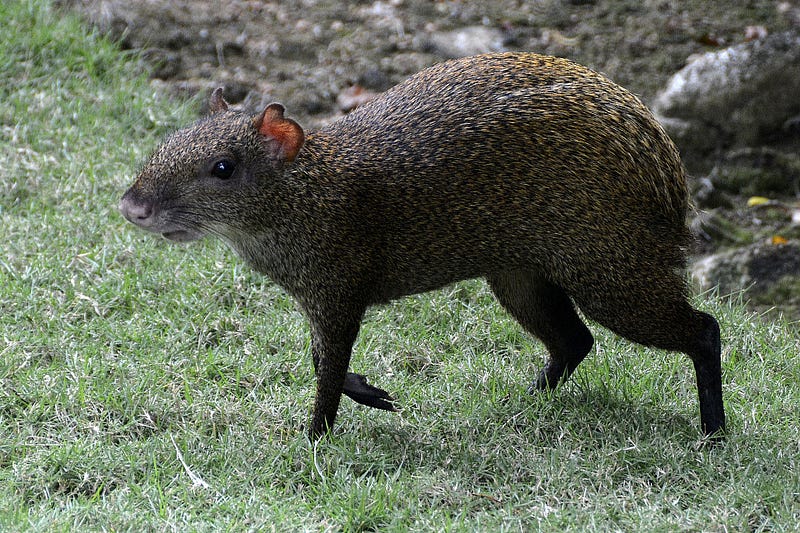
My back yard Agouti pal, Image by annca from Pixabay

There’s one new thing, probably a threat to my bean crop. It’s an agouti I spotted wandering across the back yard the other day, down by the river. I hear they’re easy to tame, and I’ll probably have to feed this big fella to keep him away from my vegetables. First, iguanas, and now this 25-lb mouth to feed.

When I used to work my dad’s garden in central France, whenever the robber rats and rabbits would attack the crops, we’d give a Gallic shrug and mutter, C’est la vie.

Now, here in the Southern Zone of Costa Rica, we simply say, Pura Vida.

Adelia Ritchie

Shadowgnosis

Garden
Costa Rica
Life
Vegetables
Living Abroad
Recommended from ReadMedium