
Gardening Has Always Been My First Love
Tips from my fifty-year long love affair with nature
I was born in a city, to parents who had lived their whole lives in cities. As a young child, I lived in Queens, New York. The closest I got to nature back then typically consisted of going to the beach and swimming in the ocean. One of my earliest memories from childhood was a time when a friend of mine and I snuck into a neighbor’s garden. I was around six years old and had never been in a garden before. I was mesmerized by the colors and the scents and have never forgotten the hush that seemed to fall on us when we walked through that garden gate.
Years later we moved to an upstate county in New York, living on a private lane near an extensive wooded area. Every spring I would wander into the woods on my own, speaking to the violets and the faeries, telling them my secrets, and listening to theirs.
When I was in my teens my father prepared a small garden bed for me on the property where we lived. I remember very little of that garden other than the fact that I was thrilled to have a spot of my own. I also remember very vividly that he dug the whole thing for me, by hand.
Somehow, that act of love from him cemented my love for gardening. I fell in love with planting that year and have had some form of a garden every year since then. Sometimes it was a huge plot and sometimes it was just a set of planters outside my apartment, but there was always something growing.
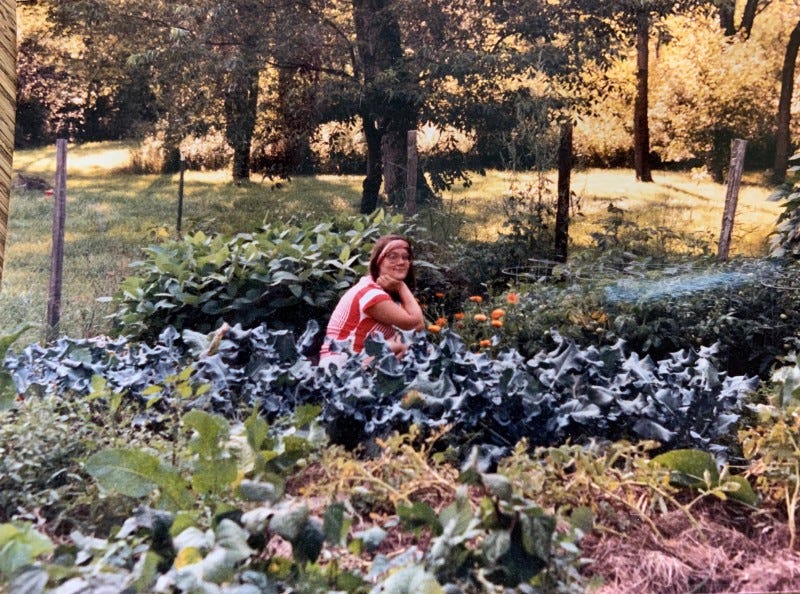
By the time I became a mother, gardening was a way of life. When my daughter was a toddler, she would spend her days in the garden or in the yard, while I nurtured the vegetables we would be eating that year.
In early March, I came down with symptoms of COVID-19. I decided that the best thing to do was to start gardening and spend as much time as possible outdoors. Some days I could only sit outside for half an hour. As I began to feel better, I started planting. By the time I was completely symptom-free, the peas I planted were in full bloom and the lettuce had been filling our salad bowls for weeks.
When New York State went on lockdown, early last spring, I knew exactly what I wanted to do. It turned out I wasn’t alone. My local garden shopkeepers told me that business was booming for them, with people who have never gardened before coming in and buying flowers and vegetables, often without knowing what to do with them.
After fifty years of gardening, I know a thing or two about it.
Since we are coming into a new year, but still trying to stay at home, I would like to offer a few tips for those who are relatively new to gardening.
- Now is the time for planning. If you’re in late winter, get into a warm, cozy spot and log on to some seed companies’ websites. A couple of tried and true ones are www.burpee.com and www.gurneys.com. Start making lists of what plants you want to grow and sketches of where you will plant them.
- Don’t be afraid to start early. Plant seeds of cold-loving plants as soon as the ground can be worked. That includes things like lettuce, mesclun, spinach, peas, and radishes. Onion sets, carrots, Swiss chard, and beets can follow not long afterward.
- Some vegetables are easier to grow from seedlings. If you’re just starting out, or have limited space for starting seeds indoors, plan to purchase plants when they are ready to go in the ground. Brassicas such as broccoli, cabbage, and cauliflower can be planted while there’s still the possibility of frost; heat-loving members of the nightshade family like tomatoes, eggplants, and peppers need to wait till after the chance of frost has passed.
- Make sure to leave enough space between seedlings. If you’re planting seedlings, follow the directions for that type of plant; if from seeds, be prepared to thin your plants once they’ve sprouted.
- Consider using large planters for some of your flowers or vegetables. Whiskey barrels will hold a tomato plant or two, with room for basil and a few marigolds.
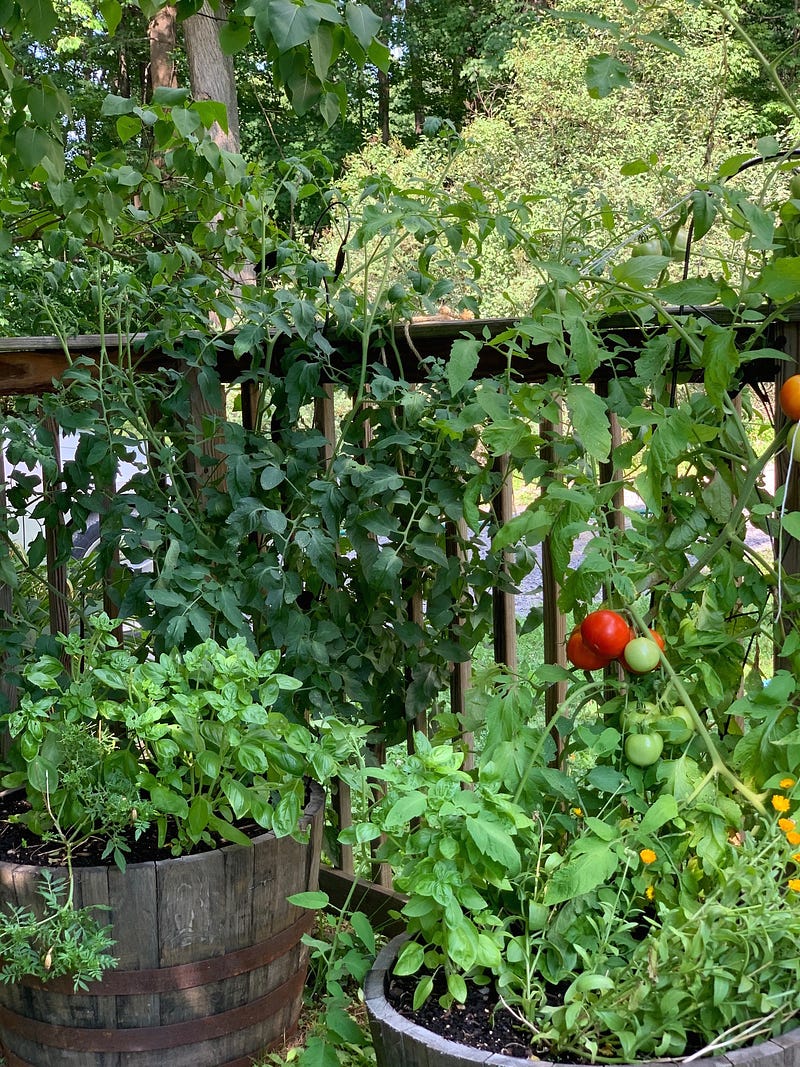
- Speaking of marigolds and basil, look into companion planting. Many plants benefit from being near one another such as nasturtiums near squash or onions with lettuce and carrots.
- Use mulch for moisture and weed control. Organic mulch will improve your gardening experience in a variety of ways. It will help keep moisture in and weeds down while increasing soil fertility and tilth.
The best time to start gardening this year is right now. The only better time was yesterday.