
Gardening For A Healthier You
Six-Word Story Summer Challenge
Grow Organic Squash — Improve Your Health
Long Squash
One of the main fruits we grow in our yearly garden is squash.
A delight, best when cooked fresh!
The variety shown above is one of many we grow in South America. It is also known as Chinese long squash.
Chinese long squash, also called the Opo squash originated in Africa, from there made its way to Southeast Asia and the rest of the world.
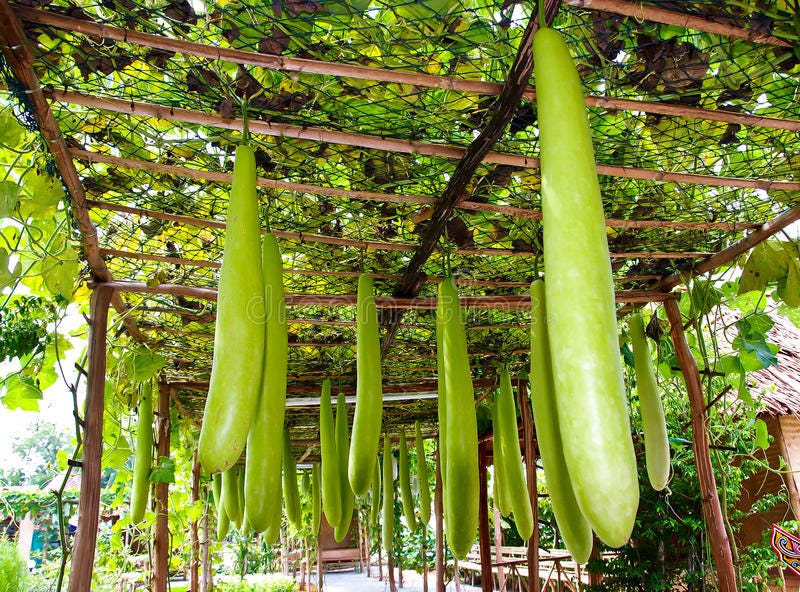
Long squash usually grows to about 10 to 15 inches in length. Though I have seen it grow much much longer in my native country. I think its length is dependent on soil, weather and care.
When fresh, the flesh is firm and may even be shredded and eaten raw as a salad. versatile enough to be cooked in a variety of ways.
Said to have a cooling effect on the body it is delicious.
Like most squash, it has a mild and pleasant flavor and is a member of the cucumber family.
Upon maturation, the skin becomes hard and even the flesh is rendered inedible. At that point, the skin can be used to fashion bowls, ornaments and other household ornaments and tools.
Facts about squash
As a member of the gourd family, it is a Monoecious Plant.
Monoecious meaning it has both male and female sex characteristics and is completely self-reliant for pollination. With monoecious species, each plant has some flowers with stamens and some flowers with pistils.
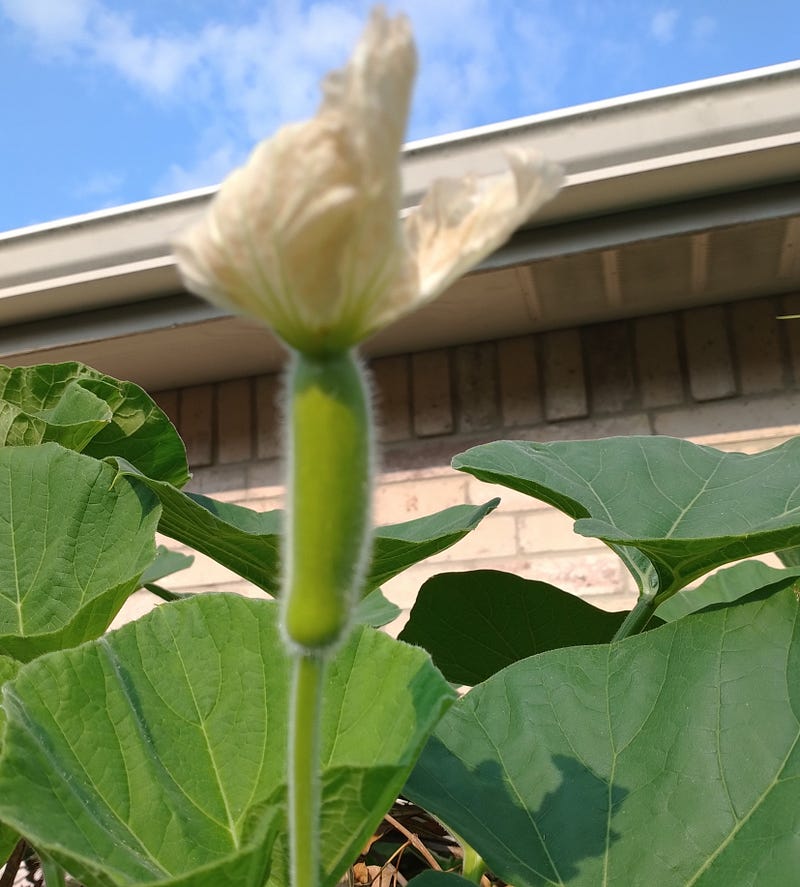
The fruit appears first then the flower is seen. As shown in the picture above. Whenever the flower first appears, it does not develop a fruit.
A pungent smelling plant, it contains small white hairs from stem to fruit. Eventually, most of the hairs fall off the fruit but remain on the rest of the vine.
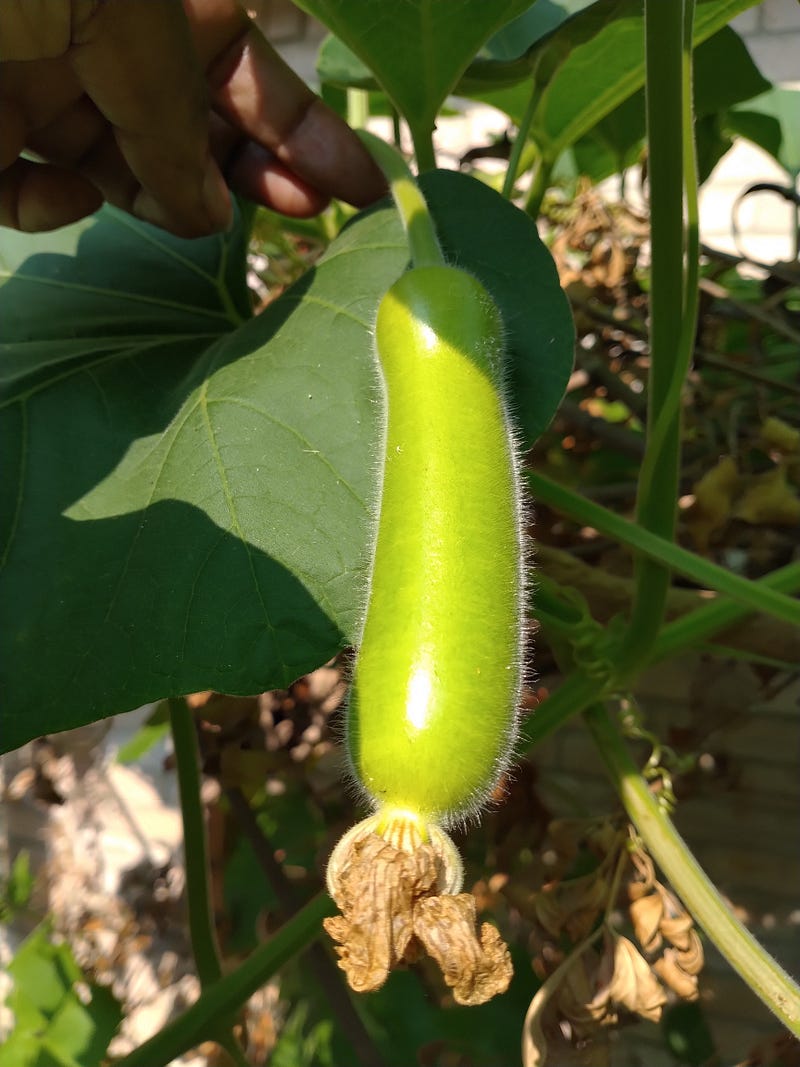
You can really see the hairs in this image. The squash has grown considerably in the past two days as well.
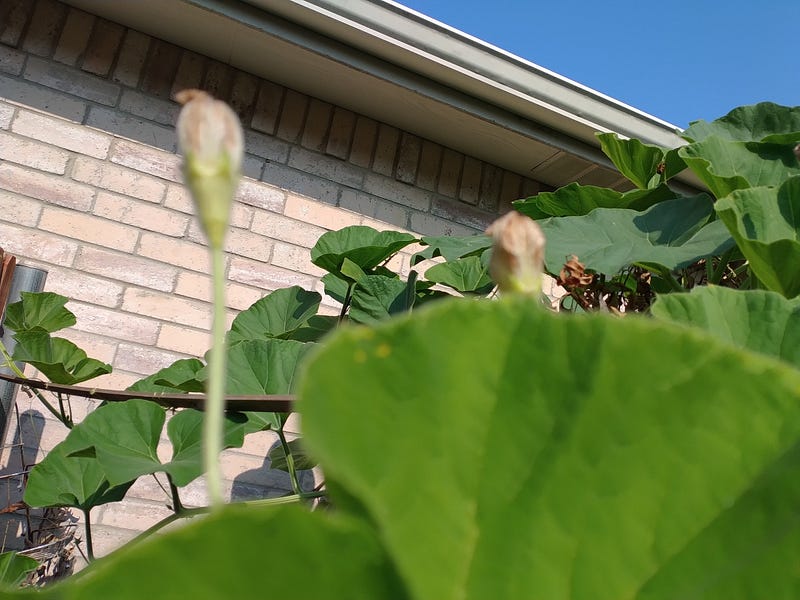
Below are pictures of the flowers and those will not bear any fruit.
Nutrients
Long squash contains several nutrients that are good for your health.
Squash is relatively low caloric content while providing vitamin C, folate, calcium, iron, zinc and B vitamins.
It is also rich in fiber to help aid a healthy digestion. The juice of Opo squash has the ability to regulate blood sugar levels.
In Guyana the juice is sometimes consumed as a healthy and refreshing beverage.
Squash boasts a plethora of health benefits : —
- A good source of fiber — the presence of fiber serves to aid a smooth digestive experience while removing toxins and waste.
2. Easily digested — helps by reducing gastric acid.
3. Vitamins and minerals necessary for healthy hair and skin— contains vitamin A, vitamin C and zinc among many other vitamins.
4. Helps to maintain normal blood glucose levels — due to its low glycemic index, it does not cause a spike in blood sugar.
5. Improves blood circulation, and aids the prevention of heart disease— The magnesium and potassium present in squash are two very important electrolytes necessary for cellular metabolism. They are an integral part of the cardiovascular system. Vital component of muscular contraction and can have deadly implications if the quantities present are too high or too low.
8. Anti-inflammatory properties — The presence of omega-3 fatty acids, and other compounds have anti-inflammatory effects.
Recap
Squash seeds are said to have anti-parasitic, antimicrobial, and anti-fungal properties. They provide protection from tapeworms or other intestinal parasites.
The meat is nutritionally dense with fiber to allow for easier digestion and removal of toxins from the body.
Also contains Vitamins C and A, zinc, antioxidants and many other minerals. Potassium known for its importance maintaining homeostasis, helps to relax the tension of blood vessels and arteries, thereby allowing for lower blood pressure and reducing the workload of the cardiovascular system
Together these numerous qualities improve health, reduce stress on the body and aid longevity.
Finally can be eaten in salads raw and lightly sautéed to preserve its nutritional benefits while being extremely pleasing to the palate.
Thank you Mary Chang Story Writer for her six-word story challenges.
Thank you for reading.


