
GIGO
A content — churning brain algorithm for writers
Some writers talk about how they kill favorite characters just so they can get emotional reactions from the readers. I did too. But because I liked to compound things, I would first make my character’s life so miserable, before I delivered my shock ending.
I did it subconsciously for my first ten short stories until an old friend asked me why I liked to write sad stories. To that, I replied ‘Life is unfair, I am just showing the way it is.”
That was four years ago, I did not start thinking back to it until last week. I was relatively satisfied with the week’s progress — I try to do something productive every day, no matter how little. Weekends included because I no longer segment the week into work weekdays and rest weekends. Instead, I create to-do lists and dedicate time to completing the tasks without distraction, and what happens is I always, always find spare time.
It was in this spare time, I started wondering why I was still happy. I was expecting something bad to happen because subliminally, I had created this scale where I measure good and bad and dish them in appropriate proportions. What this means is, if things are turning out good, I get suspicious, then start waiting for something bad to happen.
When I linked this thinking process to my writing, I was amazed. Right back to my first story, I inflicted sad endings on my characters.
Then I started tracing this back to the beginning: Did I write the way I did because I am melancholic by nature, or did I write the way I did because I enjoyed reading melancholic writings.
I used an illustration, which I am also going to paint out to you so you can reason out the conclusion that I reached. Together we would figure out if this is a literary case of ‘the egg before the chicken, or chicken before the egg.’
Here goes:
Debbie a beginner writer. She, like all writers, got inspired to write a book after reading THAT BOOK that she can swear has changed her life.
She starts writing consciously at first, thinking: “How would my new found favorite author of THAT BOOK write this? Is this a word she would say, or is this how she would say it?”
Slowly, Debbie writes, painstakingly conscious of each sentence. When she encounters writers- block, she runs back to THAT BOOK to fuel her inspiration.
She tries to complete her book, but the more words she puts into it, the less sense it makes.
So she decides to take writing slowly; start with short stories, noncommittal pieces. The first takes her three months, and seven drafts to complete.
But when she is done, she is filled with so much vigor that she sends out copies to her friends either interested in literature or really fond of her.
One of her friends, who is familiar with the works of the author of THAT BOOK says, ‘Hmm…you write just like the author of THAT BOOK.” Debbie is flattered.
Because Debbie is such a good copycat, her friends call her talented.
Back to the question:
Did life teach me to be a melancholic writer? Or did I just subconsciously write in the style that I learned to write with?
Here is the conclusion I reached,
All talented writers are genius copycats.
The caveat here is that the more we write, the more we discover ourselves. Our personalities are sown into our work as we weave our experiences with our ‘imagination’ which is a subconscious collection of all the works we have ever consumed.
How have I harnessed this discovery?
I am intentional in my absorption of information; the books I read, and the lessons I draw from them.
And my message to beginner writers out there is:
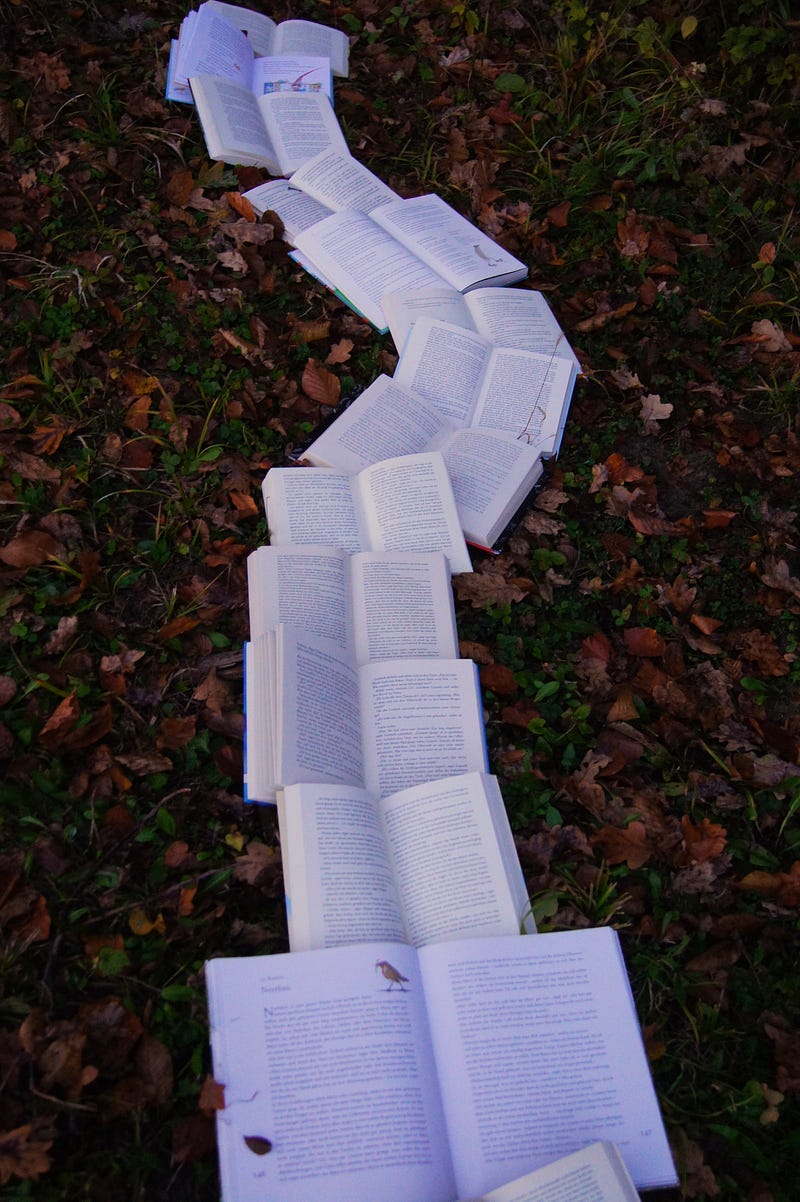
Ideas are not pumped into thin air. Ideas are recycled and repurposed. Writers build ideas from existing ideas. We take what we see, and mold it. The more things we see, hear, and feel, the more add-ons we can incorporate into our stories.
So reading is a proven means of getting inspiration to write. It is the algorithm the brain works with.


