
Gannibal: The Slave Who Conquered the Russian Court
How a captured boy from Ethiopia became the ancestor of European royals.
The birth name of Abram Gannibal is unknown and his origins are cloudy, as is common for enslaved Africans of the time. Historians believe that Abram was the son of a minor chief in modern day Cameroon. Abram’s father was said to be wealthy, with multiple wives and at least nineteen children. However, Abram’s father was killed in battled and Abram was captured by Ottoman Turks. Abram was forced on a ship and his sister, Lagan, drowned in an attempt to save her brother.
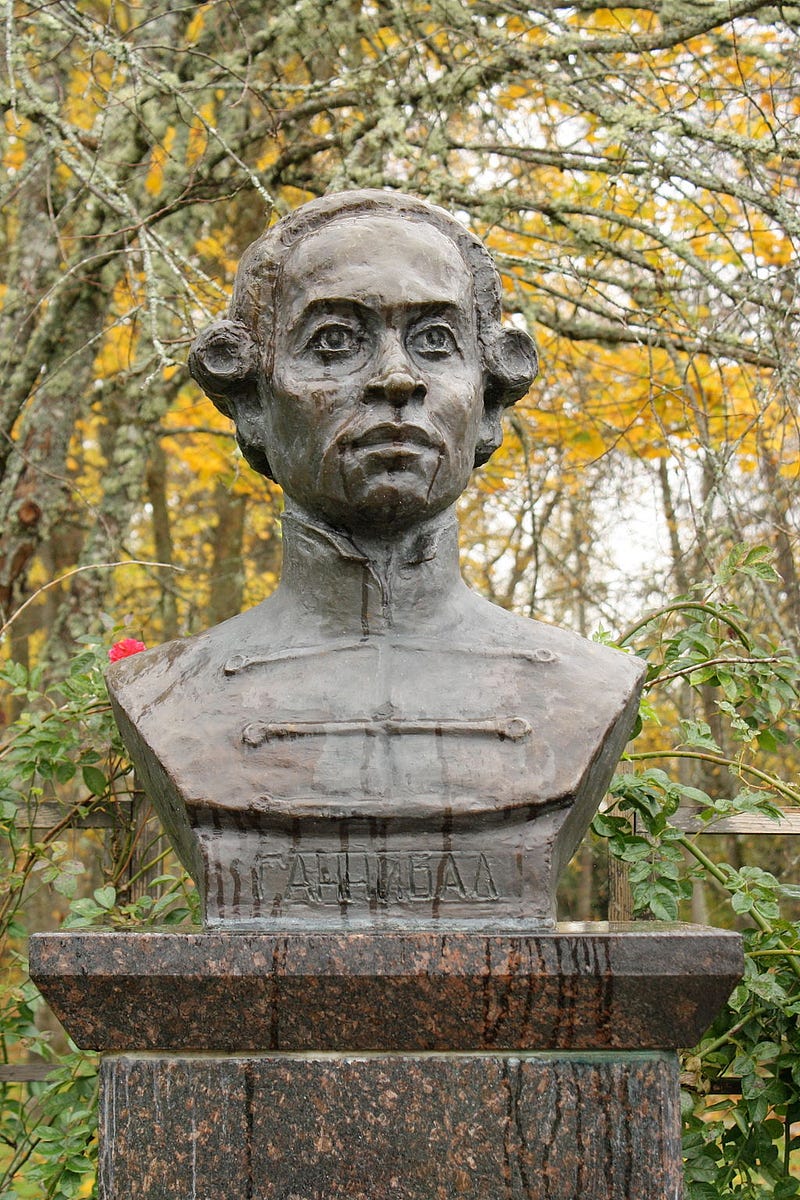
Abram was taken to Constantinople and enslaved in Sultan Ahmed III’s household. After a year of captivity, a Russian envoy visited the Sultan’s house, looking for clever slaves for the Tsar. The Russian envoy bribed the Ottoman’s and selected Abram, who was then dispatched to Moscow.
Upon Abram’s arrival in Moscow, the Tsar, Peter the Great, took a liking to the boy. Peter had Abram baptized and stood as the boy’s godfather. As Abram didn’t know his birthdate, he would use his baptismal date as the date of his birth for the rest of his life. Abram would serve as the Tsar’s valet, accompanying him on military campaigns. He also had a warm relationship with the Tsar’s daughter, Elizabeth.
As Abram became an adult, he was sent abroad to receive an education. He excelled in math and science and was fluent in multiple languages. While abroad, he joined the French army. It was during this time he adopted the surname Gannibal, in honor of the great Hannibal.
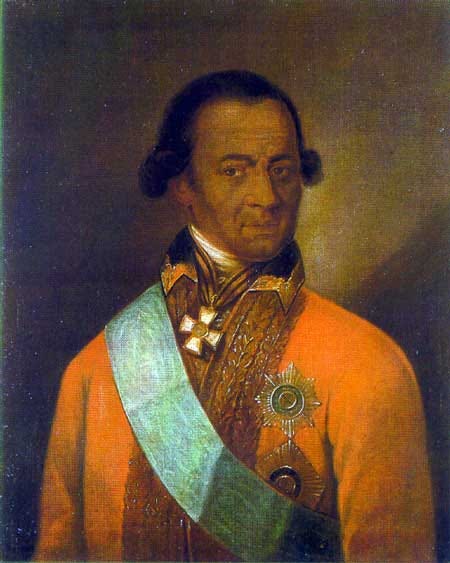
A Greek woman, Eudokia Dioper, was forced to marry Abram. The two despised each other. When Eudokia produced a baby who was white, Abram had her arrested for adultery. Eudokia was imprisoned for eleven years. During this period, Abram bigamously married a woman named Christina Siöberg. Christina descended from noble Scandinavian and German families, giving Abram prestige. Abram and Christina had ten children together, including a son, Osip. Osip had a daughter, Nadezhda, who married Sergei Pushkin. Together, they were the parents of the famous Russian poet, Alexander Pushkin.
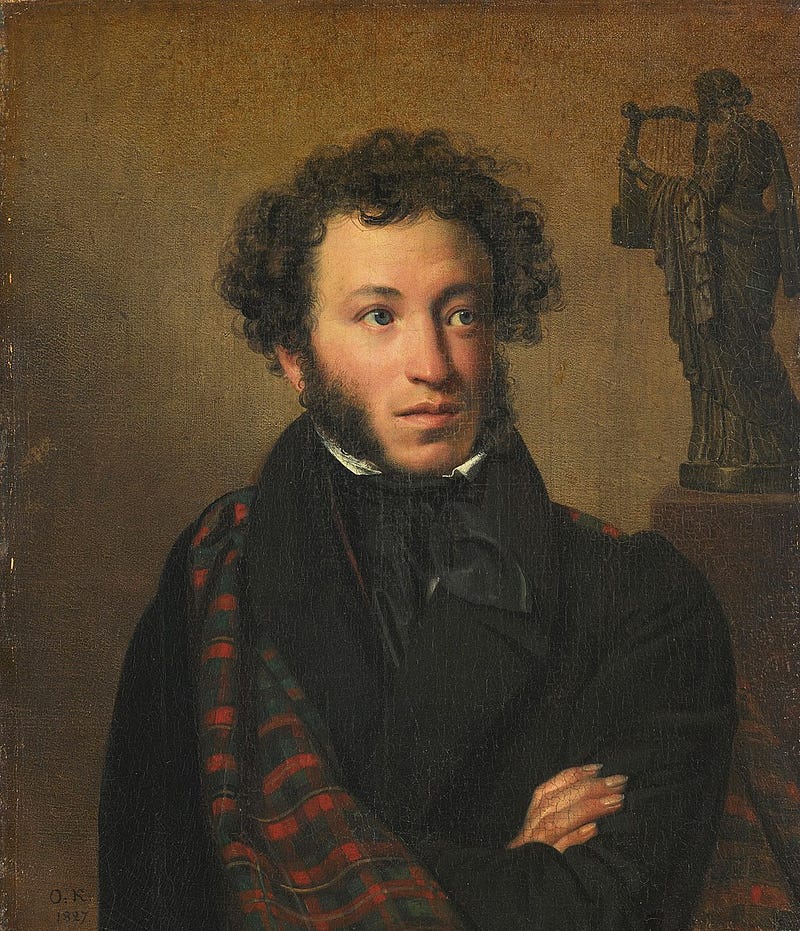
Alexander married Natalia Goncharova and had four children with her. One of these daughters, Natalia, married Prince Nikolaus Wilhelm of Nassau. This marriage was morganatic but Natalia was made Countess of Merenburg and her children inherited this title. One of their children, Sophie, married Grand Duke Michael Mikhailovich of Russia, a grandson of Tsar Nicholas I of Russia. Again, this was a morganatic marriage and Sophie was granted the title of Countess de Torby, by her uncle, Grand Duke Adolphe of Luxembourg.
Sophie and Grand Duke Michael had two daughters and one son. Their eldest daughter, Anastasia, was the grandmother of two English duchesses: Alexandra, Duchess of Hamilton and Natalia, Duchess of Westminster. Their second daughter, Nadejda, married Prince George of Battenburg. Prince George lost his German titles and became the Marquess of Milford Haven. He was the uncle of Prince Philip of Edinburgh and his descendants are still close to the British Royal Family.
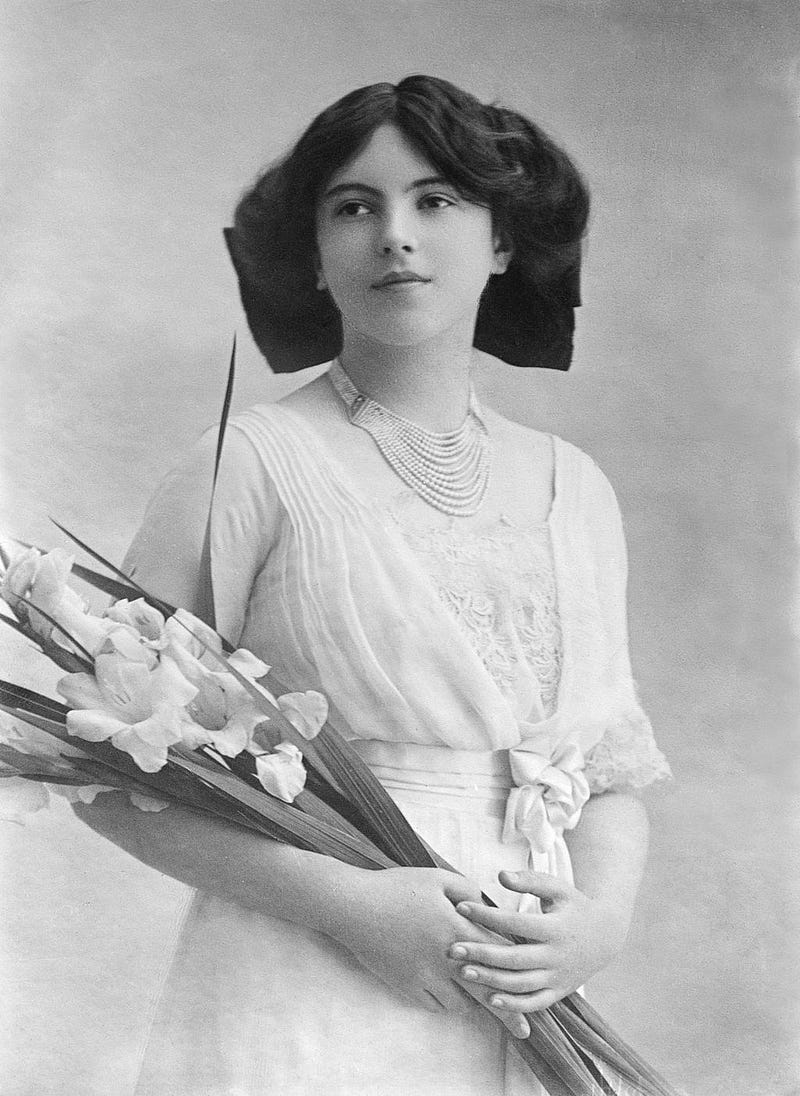
Abram was treated well by Empress Elizabeth and she granted him multiple estates. He was even granted one hundred of his own serfs. He retired to his estate and lived peacefully until his death.
Despite enduring a life of slavery and being torn away from his homeland, Abram was able to overcome adversity and rise to prominence in a foreign land. His descendants were accepted into Russian society and even married into royalty.