
RECIPROCAL | NATURE PROMPT | RIVER | PHOTOGRAPHY
Ganga — The Mother
Nature Prompt: The Flowing River
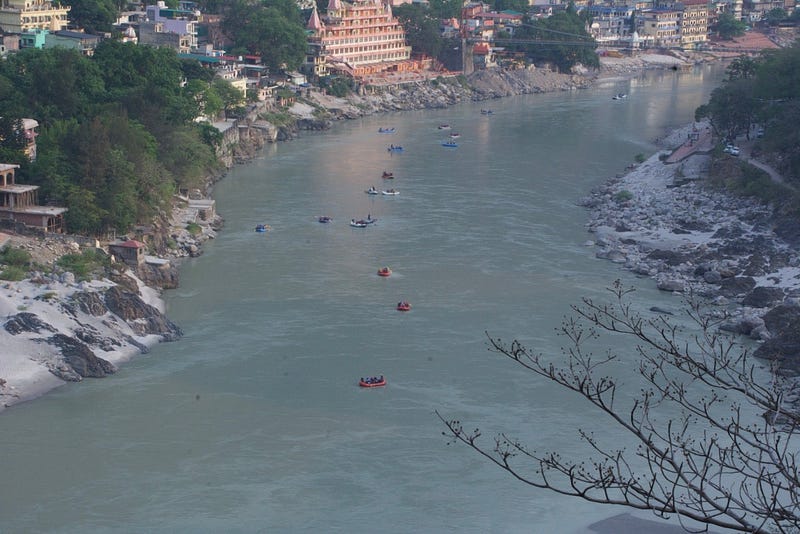
Sitting on the edge of a rubber raft, with life vests and helmets, holding an oar in hand, we embarked on a rafting expedition in the ice-cold waters of River Ganga.
As we set out, our captain keeps hollering
Bolo Ganga Maiya Ki
We retort back
Jai
“Bolo Ganga Maiya Ki Jai” — in Hindi means “Hail the Mother Ganga”.
Yes, she is the mother, the mother of all rivers — the most sacred river in India.
Rivers are the cradles from where great civilizations like the Indus valley and Ganges valley were birthed in this land and these rivers hold a special place in our hearts. The rivers which gave water, sustained life and allowed civilizations to prosper.
Purification of the body happens with water and the purest form of water comes from our rivers. So Hindu culture and tradition imbue us to treat water with great reverence. They say before you touch the water and take a bath chant the following mantra
Gange cha Yamune chaiva Godavari Saraswati | Narmade Sindhu Kaveri jalesmin sannidhim kuru ||
In this water, I invoke the presence of holy waters from the rivers Ganga, Yamuna, Godavari, Saraswati, Narmada, Sindhu, and Kaveri.
Yes when we see water, we remember our sacred rivers and pay penance to them before using it. So no wonder that all rivers flowing through India are considered sacred and visiting them, taking a bath, and paying obeisance to the rivers is an innate quality in many Indians. A holy bath in rivers is considered to purify not just one’s body but also the mind.
River Saraswati was considered the most ancient and exalted river which finds a lot of mention in all the Vedas (spiritual texts of Hindus), but the river Saraswati has dried up and is extinct and no one knows the exact flow of her. After Saraswati, Ganga is regarded as the most sacrosanct among rivers in the country with many religious, sacred, and pious towns and cities dotting her shoreline — from Rishikesh to Haridwar to Kasi.
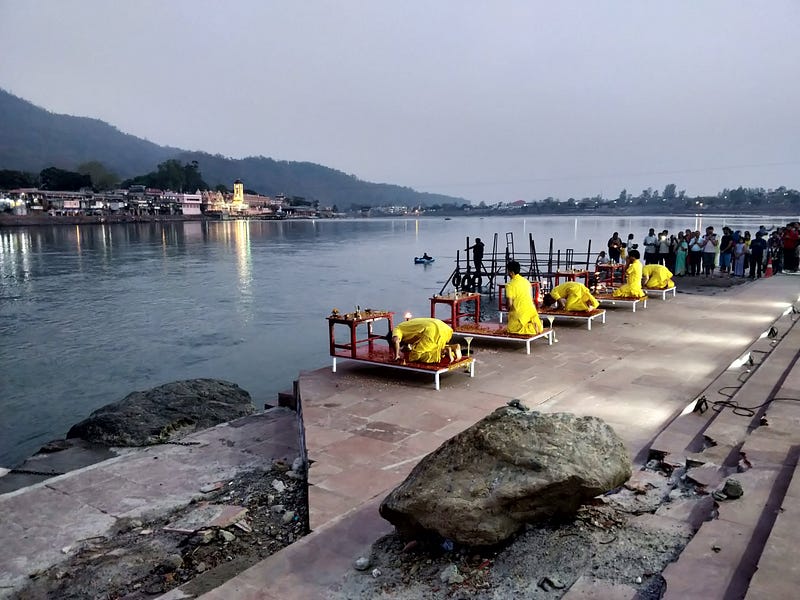
Visiting Ganga would mean also witnessing the Ganga Aarti — a spectacle of music, chants, fire, and worshipping mother Ganga. The evocative chanting coupled with the billowing flames, and the holy water lapping at one’s feet, makes it a moving and unforgettable experience. A holy dip in the river Ganga was considered a life mission for most Hindus in the early days when it was difficult to travel such great distances across the country. Today thanks to modern advancements, it is easy to reach Ganga from anywhere with a few hours of flight journey.
As we embrace a global culture and values, we tend to think of everything around us in terms of utility value. We are in pursuit of optimal usage of resources. So the rivers are dammed, diverted and water fed for the thirsty bolstering cities in the plains. And River Ganga also could not escape these exploitative quests of mankind. Along with that is also the man’s pursuit of extracting happiness from anything and everything around. This has led to mushrooming of adventure sports, resorts, and spas along the riverfront. A once placid milieu around Ganga is now buzzing with sounds and lights from yoga studios, spas, and fancy restaurants.
The tide of time can’t be stopped nor the flow of life nor the rapid changes happening around us. The Ganga eulogized by the Vedas has stayed her course and kept meandering through the heartlands with the same vibe and intensity for centuries. And her vigor has not faded a bit. She has been the symbol of Indian civilization, ever flowing and still the same.
The river Ganga itself gets formed at Devprayag where of merging of two visible heavenly rivers, Alakananda and Bhagirathi happens to form the holy Ganga.
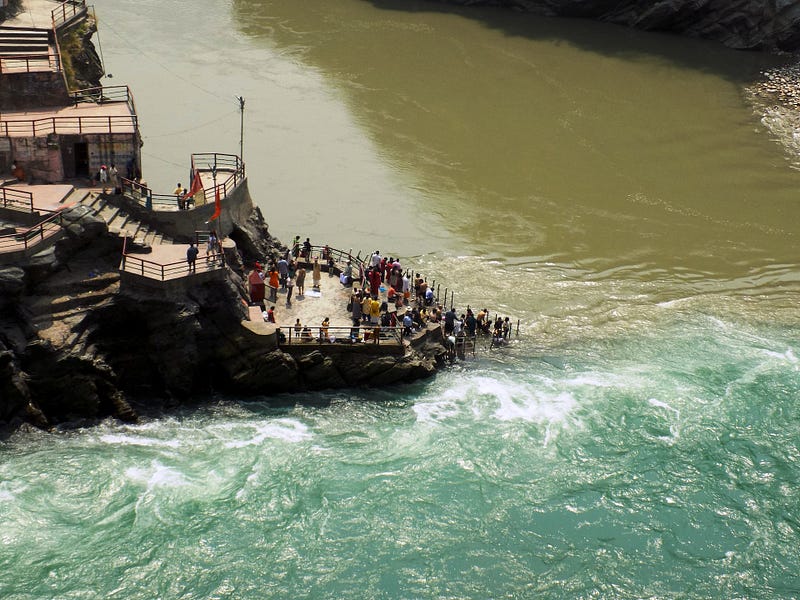
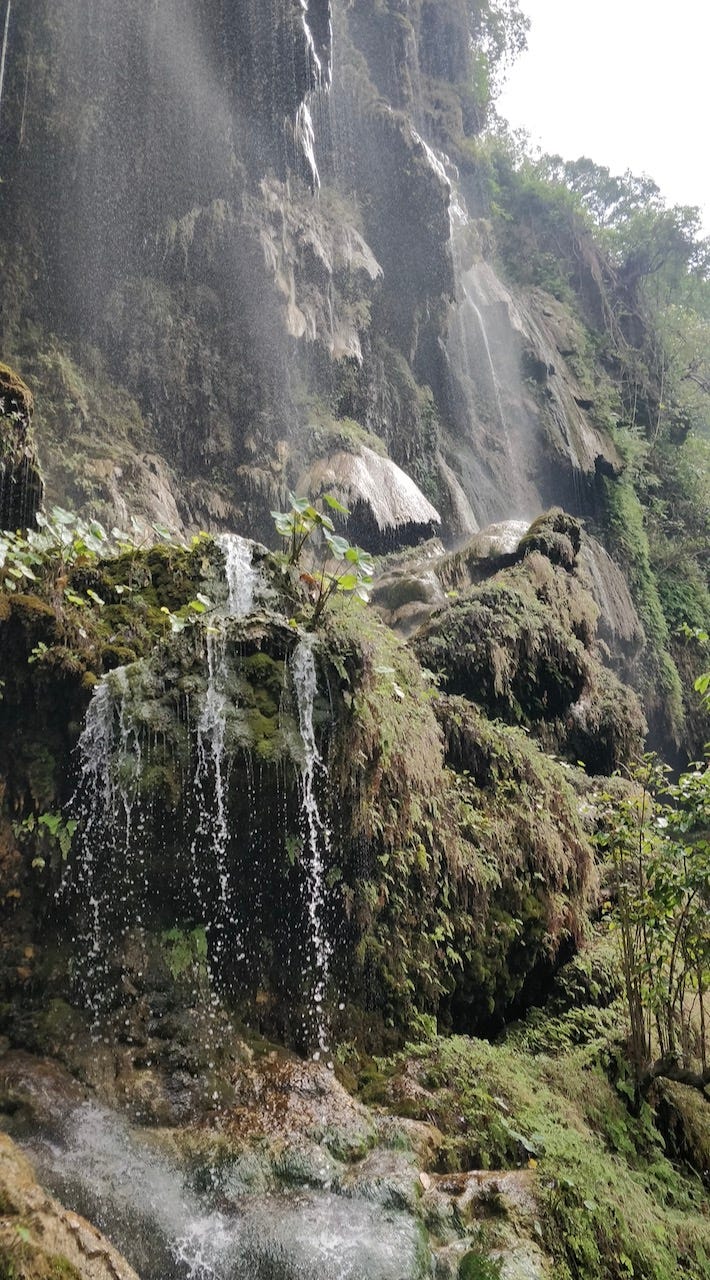
As she flows down, many small streams and rivulets join her from the tributaries and make her into a massive surge of water. As Ganga descends from the Himalayas, there are a lot of waterfalls in the mountains from where water streams gush out and join Ganga.
The greatest saint of India, Swami Vivekananda once wrote a letter, in which he said
My bones are destined to make corals in the Ganga.
I am not sure if I want to make myself a coral, but Mother Ganga holds a special place in my heart. Visiting her every year, meditating in her banks, and taking a holy dip is a soul-rejuvenating experience that I eagerly seek.
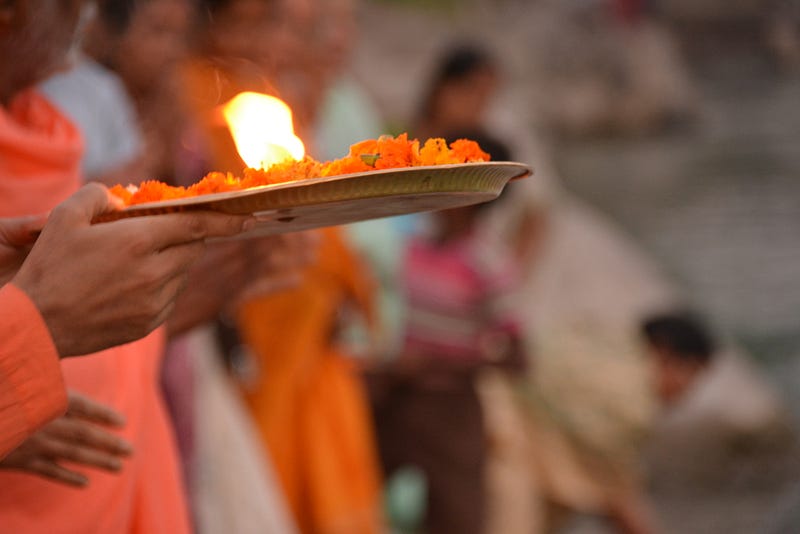
Bolo Ganga Maiya Ki — Jai
Thanks to Sahil Patel for the prompt
I also enjoyed the “Desires of the Moon” by Aakash Dahal


