
Gamification and Incentives: How gamification and incentives can motivate employees and increase engagement.
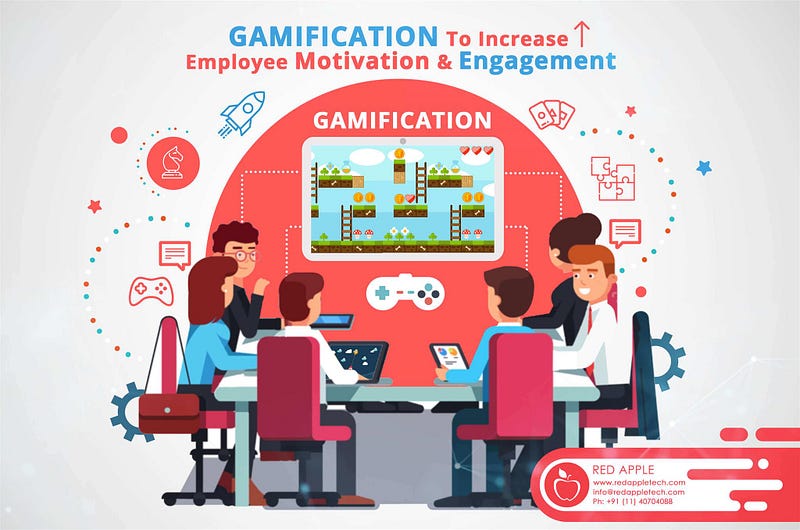
In today’s dynamic work environment, employers are constantly seeking innovative ways to boost employee motivation and engagement. One effective strategy gaining traction is gamification, which involves applying game design elements and principles to non-game contexts, such as the workplace. When combined with incentives, gamification can create a powerful tool for motivating employees and driving performance. In this article, we’ll explore how gamification and incentives can foster a culture of engagement and drive results in the workplace.
1. Understanding Gamification: Gamification involves integrating elements of game design, such as challenges, rewards, and competition, into everyday tasks and activities. By adding game-like elements, such as points, badges, levels, and leaderboards, employers can make work more engaging and enjoyable for employees. Some key components of gamification include:
- Clear goals and objectives: Define clear objectives and milestones that employees can work towards, providing a sense of purpose and direction. — Feedback and progress tracking: Provide real-time feedback on performance and progress, allowing employees to track their achievements and improvement over time. — Rewards and recognition: Offer incentives, such as virtual rewards, badges, or prizes, to recognize and reward employees for their accomplishments and contributions. — Social interaction and collaboration: Encourage teamwork and collaboration by incorporating social features, such as challenges, competitions, and leaderboards, that foster a sense of camaraderie and community among employees.
2. Leveraging Incentives: In addition to gamification, incentives play a critical role in motivating employees and driving behavior change. Incentives can take various forms, including monetary rewards, non-monetary rewards, recognition, and career advancement opportunities. When designing incentive programs, it’s essential to consider factors such as:
- Alignment with goals: Ensure that incentives are aligned with organizational goals and priorities, encouraging behaviors and outcomes that contribute to overall success. — Transparency and fairness: Communicate incentive criteria and eligibility criteria clearly and transparently, ensuring that all employees have equal opportunities to earn rewards and recognition. — Flexibility and customization: Offer a variety of incentive options to accommodate diverse preferences and motivations among employees, allowing them to choose rewards that are meaningful to them. — Timeliness and frequency: Provide timely feedback and rewards to reinforce desired behaviors and maintain momentum, keeping employees motivated and engaged over time.
3. Examples of Gamification and Incentives: There are numerous ways that organizations can incorporate gamification and incentives into the workplace to drive engagement and performance. Some examples include:
- Employee recognition programs: Implement programs that allow employees to earn badges, points, or awards for achieving milestones, exceeding targets, or demonstrating exceptional performance. — Sales contests and leaderboards: Create friendly competitions among sales teams, with rewards and recognition for top performers based on key metrics such as revenue, customer acquisition, or sales targets. — Learning and development initiatives: Gamify training programs and professional development activities, with rewards for completing courses, acquiring new skills, or passing assessments. — Wellness challenges: Promote employee well-being by organizing wellness challenges, such as step challenges, fitness competitions, or mindfulness exercises, with rewards for participation and achievement.
Gamification and incentives offer powerful tools for motivating employees, driving engagement, and enhancing performance in the workplace. By incorporating game-like elements and rewards into everyday tasks and activities, employers can create a more engaging and enjoyable work environment that inspires employees to perform at their best. Whether through recognition programs, sales contests, learning initiatives, or wellness challenges, organizations can leverage gamification and incentives to cultivate a culture of engagement, collaboration, and continuous improvement. As the workplace continues to evolve, embracing these innovative strategies can help organizations stay competitive and drive success in the digital age.


