
Food Allergy
Gambling on an Allergic Reaction in a Pandemic
What do allergy patients do when the ER is less safe?
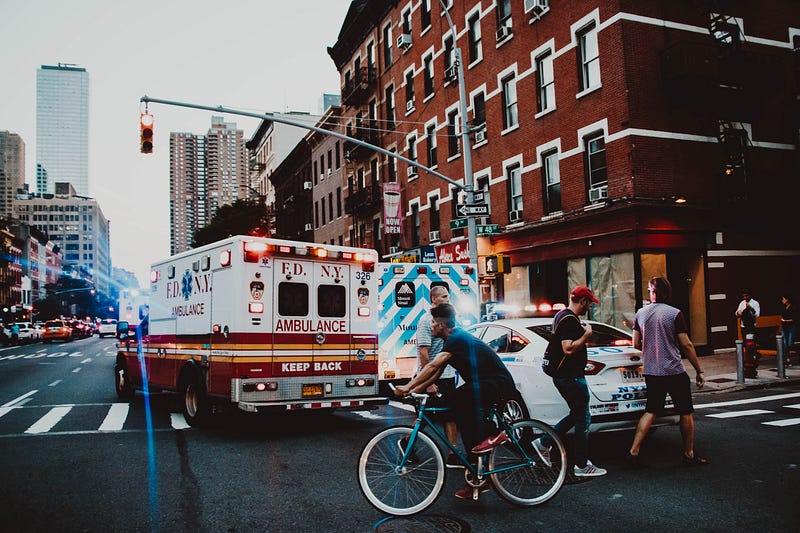
A food allergy reaction sends a person to the emergency room every three minutes in the United States. At least, that was the statistic cited before the coronavirus pandemic.
As Emergency Departments across the country fill with COVID-19 patients, people experiencing other health emergencies are missing. Potential heart attack and stroke patients are avoiding the one place that can help them because, suddenly, it’s a dangerous place to be.
However, allergic reactions are unique emergencies because they strike on a gradient. An allergic reaction victim may quickly recover after self-administering oral antihistamines or die within minutes of allergen exposure. On one hand, allergy patients understand that their condition is so dangerous because an allergic reaction may fall anywhere on that scale. On the other hand, the uncertainty that a reaction will be severe allows these patients to gamble on their safety.
Earlier this year, in pre-pandemic times, I played the health slot machines myself.
I chose to ride out a life-threatening food allergy reaction on a bathroom floor after an encounter with a cross-contaminated sushi roll. I was visiting friends in another state where I did not have in-network ambulance or emergency care coverage, and I feared to go into medical debt. In a word, I was underinsured. I also had recently moved and switched insurance providers. So, I did not yet have a primary care physician or dedicated allergist whom I could consult over the phone.
That night, I took a chance and stayed put with no medical supervision. My friends sat next to me holding my trembling and sweaty hands, preparing to rush me to the ER if I changed my mind. I got lucky and won my bet that day, but I could have lost gravely.

Individuals with food allergies are facing unique hurdles during the pandemic. Food allergy patients and their families are facing food insecurity due to allergy-safe food shortages. Food allergy patients are also likely to have asthma — a condition that the CDC currently reports may put us at higher risk of severe COVID-19 complications.
The last thing someone like me needs right now is to waver if a peanut gets somewhere it shouldn’t be — like my kitchen.
As I live through the pandemic in New York City, I have wondered how I would choose in an emergency. Would I brave potential coronavirus exposure in the ER or would I wait out a medical emergency alone at home, armed only with an EpiPen or two?
On my friend’s bathroom floor pre-lockdown, I weighed two main questions as my face swelled and blood pounded in my ears. Would the insurance company cover the price of being risk-averse with my safety and calling 911? Or would being risk-averse with my finances and foregoing the hospital cost me my health or even my life? Now, I would be adding one more question. Is going to the ER during this pandemic still the safest option for my health?
A month ago, I was excited to see a leading food allergy research organization provide some guidance on how to answer this new question. Food Allergy Research & Education (FARE) released a new protocol for treating anaphylaxis, a multi-organ allergic reaction which, under ‘normal’ circumstances, sends patients to the ER.
However, this protocol is intended for healthcare providers treating allergic patients. Food allergy patients are still advised to consult with their healthcare providers before adjusting their personal allergen exposure action plans. Where does this leave food allergy patients who do not have access to an allergist or primary care?
When the pandemic closed down New York City, I was on a weeks-long waitlist for an appointment with a potential new PCP. Still, I am one of the lucky ones — I am no longer underinsured. With a little work, I am confident I can still find an in-network PCP or allergist with covered telehealth services. I know that if I face an allergy emergency, this individual can help me choose the least risky course of action.
With access to remote medical care, an allergy patient can at least make an informed gamble on whether or not their allergic reaction requires emergency care. The responsibility for weighing the odds falls upon highly-trained shoulders. Those odds are stacked against allergy patients who, like myself a few months ago, do not have an expert advisor a click or a call away.


