
Lifestyle/Life/Self
Gambling Can Be Fun, a Problem, Or a Disorder.
How to know when and where to get help.
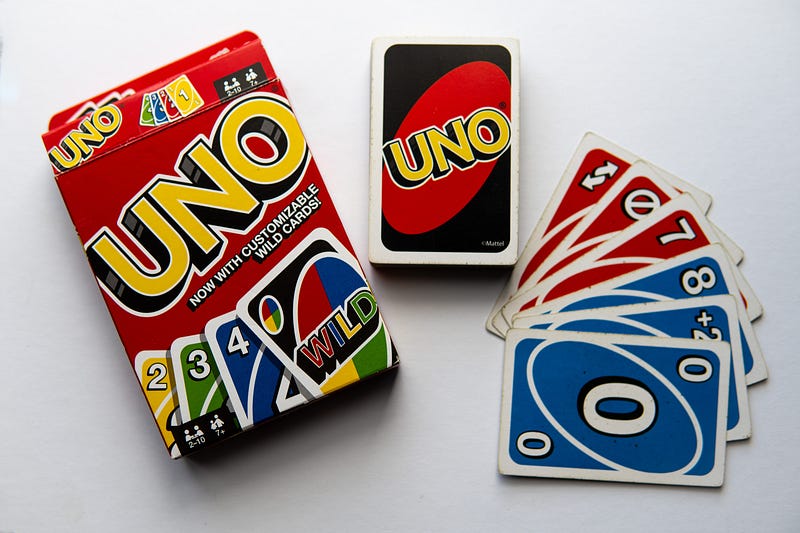
Many people consider gambling as social or family entertainment. However, the American Psychiatric Association says it can become a problem or disorder.
APA explains, “Gambling disorder involves repeated, problem gambling behavior. This behavior leads to problems for the individual, families, and society. Adults and adolescents with gambling disorders have trouble controlling their gambling. They will continue even when it causes significant problems.”
What activities are considered gambling?
Many are, for example, government-sponsored lotteries, bingo, dice, the stock market, or betting in horse races or soccer games etc.
As noted, all the above are socially accepted until they become a problem for gamblers, families, and society. For instance, a person steals money from a family member or employer for gambling.
Researchers say problem gambling originated from social or family gatherings such as dinner or holiday celebrations.
Gambling is a game of chance, and rarely people can predict the outcome.

Why a gambling disorder?
APA asserts, “Gambling tends to run in families. Trauma and social inequality, particularly in women, can be risk factors. Symptoms can begin as early as adolescence or as late as older adulthood. Men are more likely to start at a younger age. Women are more likely to start later in life.”
How do you know if you or your loved ones are having a problem with gambling?
Here are signs to look for and consult with your doctor for evaluation and treatment. DSM-5 classified gambling as a disorder if individuals have “Persistent and recurrent problematic gambling behavior leading to clinically significant impairment or distress, as indicated by the individual exhibiting four (or more) of the following in a 12-month period.
- Needs to gamble with increasing amounts of money in order to achieve the desired excitement.
- Is restless or irritable when attempting to cut down or stop gambling.
- Has made repeated unsuccessful efforts to control, cut back, or stop gambling.
- Is often preoccupied with gambling (e.g., having persistent thoughts of reliving past gambling experiences, handicapping or planning the next venture, thinking of ways to get money with which to gamble).
- Often gambles when feeling distressed (e.g., helpless, guilty, anxious, depressed).
- After losing money gambling, often returns another day to get even (“chasing” one’s losses).
- Lies to conceal the extent of involvement with gambling.
- Has jeopardized or lost a significant relationship, job, or educational or career opportunity because of gambling.
- Relies on others to provide money to relieve desperate financial situations caused by gambling.
How and where to get help
National Problem Gambling Helpline Call or text: 800–522–4700 Chat: ncpgambling.org/chat A National Helpline is available at 1–800–662-HELP (4357).
Can social gambling become a problem or disorder? What do you think? Join the conversation below.

References
https://www.psychiatry.org/patients-families/gambling-disorder/what-is-gambling-disorder