
Strangled. Gabby Petito’s Murder Has Sparked a Lopsided Media Frenzy
The murder of an attractive, young white woman has sent the media into a tailspin trying to cover it while dismissing their lack of attention to the deaths of women of color and indigenous women.
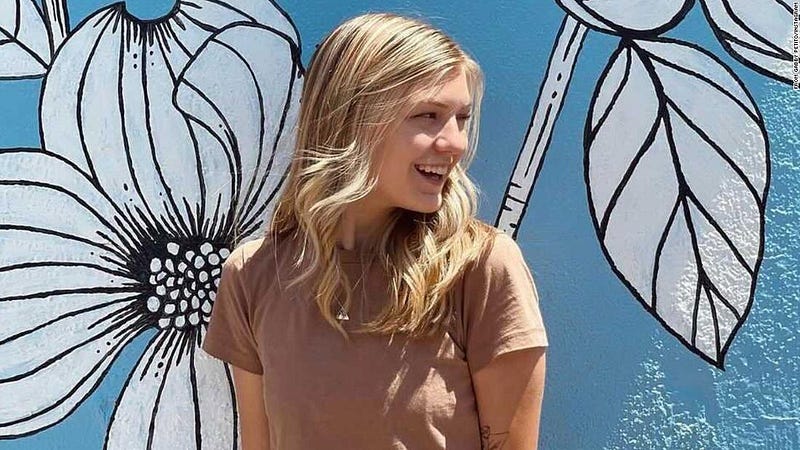
Gabby Petito, a young, vibrant white girl, has been murdered while on a road trip with her fiancee, Brian Laundrie. An extensive search is underway for Laundrie, who appears to have been involved in her death, and he is a person of interest. The media is replete with stories scouring every aspect of the case, the persons involved, and the lives of the couple and anyone associated with them.
As has been pointed out by women all over the country, there is a great deal of sympathy for this young woman, but there is also a resounding echo of calls for justice for other women. The women missing from the headlines are those who have been killed, brutalized, and victimized by domestic violence. They weren’t white, and their stories, as well as their disappearance, never made anything near the current media crush. Why?
The killing of women has created a new word in our lexicon; femicide. “In 2019, Brazil registered a total of 1,326 murder cases that were classified as femicides, or the killing of a woman or girl on account of their gender. Meanwhile, the number of women killed on account of their gender in Mexico reached 943 in that same year.” In fact, the United Nations has indicated that Mexico is the most violent country for women globally. One has to wonder how the Mexican press handles femicide.
In the United States in 2018, the state with the highest number of women killed by men was Texas, followed by California. The total number of victims of femicide in the entire US in that year stood at 2,000. “Most often, females were killed by males in the course of an argument — most frequently with a firearm.” How many of these murders made national headlines? Or are there just too many cases of femicide?
“In 2018, for single female victim/single male offender homicides where the age of the victim was reported (592 homicides), eight percent of Black females were less than 18 years old (48 victims) and six percent were victims 65 years of age or older (36 victims). The average age of Black female homicide victims was 36 years old." Where were the headlines about all these homicides?
The Coalition to Stop Violence Against Native Women notes that American native women are victims of homicide at 10 times the national average. One hundred and twenty-eight native women were reported missing. Where are the investigations and the media coverage?
A legacy of violence against women and the authorities' failure to take action has resulted in unabated violence against women. It is estimated that four out of every five native women are victims of abuse and violence. One problem may be reservation authorities' reluctance to recognize the crimes compounded by a lack of action by local police.
Victim Blaming
An interesting aspect of Gabby Petito’s death is that the couple was involved in a police stop where officers questioned them. A call to 911 had indicated Laundrie repeatedly slapped gabby in a restaurant as well as in their van. Gabby had admitted she suffered from OCD and had been cleaning the dashboard.
She was described by a police officer as “confused and (in an) emotional state” and had “gone into a manic state.” What did a “manic state” mean to the officer? Did the officer not find that of concern, or are women perceived to be emotional?
Physical evidence of an altercation included scratches on Laundrie’s face and right arm, and he had locked Gabby out of her van. Again, doesn’t this raise the level of concern? The local police are now investigating what happened and viewing the bodycam recording.
An associate of mine once led a class for women enrolled in GED training. During one class, the subject of domestic violence was being discussed. One woman said her husband had beaten her. The reason? She didn’t make peas for dinner, and that’s what he wanted. So, the beating was something she brought on herself, she said.
Do we value all women or only some women? Isn’t every life valuable, no matter the color of the woman’s skin or the religion she follows? A bit of soul-searching is in store for all of us, but especially the media who, in a way, form our ideas about our culture and acceptable practices.
Maybe the death of Gabby Petito will bring about a change, but only if we apply more pressure to bear about this type of coverage for ALL women.
I guess this story bled enough to lead, right guys?


