
Further Observations On My First Year On Medium
There’s a lot to unpack with the Medium experience.

Yesterday I wrote my 198th article discussing my first year on Medium. Almost as soon as I saw it had been accepted and published, my mind immediately flooded with things I should have included.
This is my make-up piece. More solid, practical, and — hopefully — useful observations regarding my first year writing on Medium.
As the great Douglas Adams would say, “Share and enjoy.”
Sleeper articles and surprise stats
It’s always a bit disappointing when an article doesn’t seem to take up. It sits there gathering perhaps a dozen views, and you shrug and try again.
Then a week later, or maybe a month or two, you happen to notice that poor-performing article in your stats list, and what had once been a view count number in the tens is now in the hundreds.
What happened?
I have no idea. Honestly, sometimes it takes a while for a piece to get noticed. Perhaps people saw it below your most recent article in an “also by” section, or you included a link yourself. I usually close out a piece with at least two links to earlier works.
Sometimes, it finds its audience outside of Medium. You don’t get paid for those reads, but at least you’re building some readership. If that’s not one of your primary goals, it should be. If you include a CTA at the end of your articles to sign up for a newsletter or check out an ebook, readership — no matter where they’re from — is essential.
And sometimes things just happen. This past month, I averaged around 70 views for three weeks. Now I’m suddenly getting close to 400 a day. How long will it last?
No idea, but I’m not going to stress out on the why. I’ll just enjoy the now.
The follow-me and comments game
Medium is one of the more messed up social media sites you’re ever going to come across. Users don’t communicate with each other the way they do on Facebook or Twitter. They show support by following one another, reading each others’ articles, and commenting.
That’s the social media game here.
Many Medium users advise to follow everyone who follows you or to start following many people to get followers back.
I’ve never felt great about the gamification of the follow me-follow you approach. It seems dishonest.
That said, it’s an effective way to begin building your audience. That’s assuming people don’t unfollow you once you’ve followed them. Keeping track is the path to madness.
I played the follow me-follow you for a while. Nowadays, I take a more purposed approach.
If I’ve followed you, it’s because I’ve read something on your page and liked it. If I clapped for one of your stories, that means I liked it a lot. If you’ve followed me, I will, at least, take a look at what you have on your page. The odds are good I’m going to find something I like. I find people endlessly fascinating.

The whole process of following another writer seems like an unnecessary pain, but it serves to funnel stories to you that are likely to be of interest. And that road travels both ways.
You could ignore it, but then you’d be denying yourself an audience.
Figuring out publications
Publications are a great way to get your piece in front of a larger audience and grow your personal audience. Why would you not choose to use a publication?
Well, there are a lot of them. Some last, others don’t. Some have stringent guidelines; some seem to have none whatsoever. Some respond and publish quickly. Some take weeks. Some have a firm editorial hand; some can’t even spell ‘editor.’.
So it’s a mixed bag. Add to that now the ease with which anyone can create their own publication. It just adds to the noise and, perhaps, dilutes the overall advantage being in a publication once had.
You need to take some time to research a publication before setting up a writer relationship with them. How often do they post? When was their last post? Do their articles get a lot of claps or responses? Is it a good fit for you or your piece?
Publications can be a boon, but care should be taken. Done right, they can boost your readership. Done wrong, and they won’t help you out at all.
Quantity vs. quality
Ah… this old chestnut. This is one of those arguments that definitely has two sides.
In quantity’s corner is the idea that every article you post is going to earn over time. It may be a few pennies a month, but over a year, that might add up to a dollar. Ten such articles come to ten dollars by the end of the year. A hundred? Well… you do the math.
Soon, you’re talking serious scratch-ticket money.
This assumes most of your articles are “evergreen,” that is, they’re timeless enough not to be affected by world events or changing technology. Or they should at least be relevant ten years from now. I figure my cloud computing articles have a couple of years left to them. Many of my cybersecurity ones have perhaps five or ten.
Covid articles? Maybe another year, but the freelance and work-from-home pieces could be useful for a decade. Productivity and writing articles even longer.
This will be my 199th article in one year. I’ll have another one ready tomorrow.
This is how I earn my $5 monthly subscription fee.
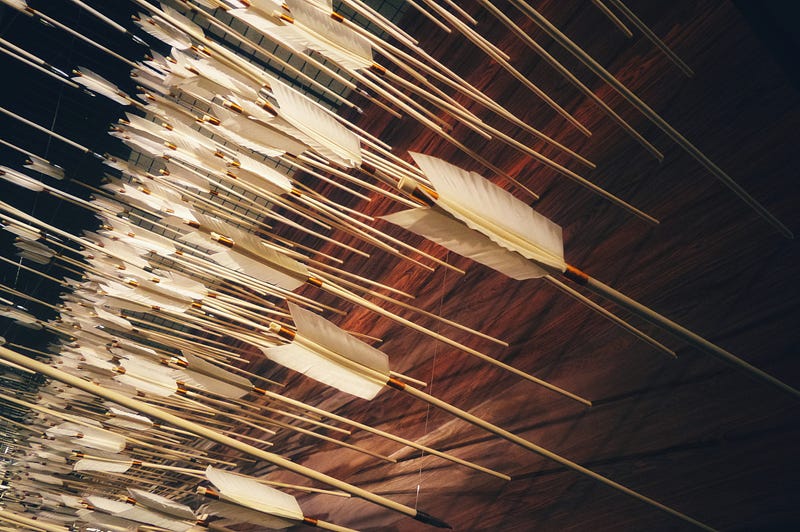
Quality vs. quantity
But what good is quantity if it’s all crap?
Crap articles are not going to grow an audience. They aren’t going to garner reading times that are going to pay any noticeable amount.
And crap articles don’t do much to help one grow as a writer. Not by much, at least.
While one could argue that any writing can help one move forward as a writer, wouldn’t you rather progress at a brisk pace than a sluggish crawl?
Take some time to be the best writer you can be. Don’t let it lock you up or block you, but take some time to review and edit your drafts. Use spellcheck. Take advantage of programs like Grammarly. And while we’re talking about Grammarly, take note of why it suggests the changes it does. After a while, you’ll find you’re starting readability scores will rise, and your editing list will shrink.
That’s you becoming a better writer — grammatically, at least.
Work on your ideas. Outline and arrange your arguments in a sane manner.
And listen to feedback.
Final thoughts
In article #198, I compared writing for Medium like attending a workout gym — but for your brain. I stand by that comparison.
It’s also kind of like going to a convention full of interesting people who also find you interesting.
Medium has value. Yesterday, I dumped a bit of criticism on Medium. Today, I’m not worried about their secrets or their poor earning algorithms. Today, I’m celebrating the idea of having an audience and building that audience.
So, I suppose I’m celebrating you.
And as for you, the writer (as opposed to the audience), yesterday’s advice also applied to today. Verbatim:
Stick with it.
Very few writers get worse with practice.
Will you get rich? Don’t count on it. Try not to fixate on the money.
Approach Medium as a visit to a mental gym.
Medium has its flaws and will likely continue to have flaws, but what it has is its audience, community of writers, and wide-reaching platform.
Use all of that to your advantage.
And stick with it.
Cheers!
Thank you for reading. I’d love to share more with you via my Bi-Weekly Word Roundup newsletter sent to subscribers every other Sunday. It will feature news, productivity tips, life hacks, and links to top stories making the rounds on the Internet. You can unsubscribe at any time.